≡ Menu

Last week, OPEN launched the new WI.DE., also known as WI.DE. 2.0, thus turning the current model into a classic overnight.

Obviously, I have not ridden the MK2; however, I have looked at the specs and came to a quick conclusion that it is an entirely new gravel bike if you pay attention to the increased tyre clearance that is just mind-boggling for the best, the more aerodynamic design, UDH compatibility, the countless cargo options and the lack of 27.5 inch (650B) options. The frame now sticks only to 700c/29 inch as that wheel size fell out of favour to my consternation. Fortunately, I have stockpiled as I saw it coming, but I digress. You can read more about the OPEN WI.DE. 2.0 here.

Already, I have had people messaging me via Instagram DMs and my email inbox. Owners of the MK1 model want to know whether they should upgrade, those who are considering the first OPEN WI.DE. want to know if it is a good bet, while others ask whether to go for the old or the new one, and finally, people are asking me if they should purchase the new OPEN U.P. or the new OPEN WI.DE..

I am a “you can never get enough bicycles” type of person and I am a big fan of OPEN Cycle, so I think I am not the best person to ask such questions because I am extremely biased.

What I tell everyone is what I will share with you.

I already own the “classic” OPEN U.P.P.E.R. (as a road bike configuration) and OPEN WI.DE. (as a monster gravel setup). They serve me very well and I have countless amounts of fun on them whether I am crossing continents, countries or going around the corner for cake.

Despite the distances I put on my bikes, I take care of them and they are well maintained, so they should serve me well for decades to come.

That said, the new OPENs are upgrades that I am coveting because the U.P.P.E.R. can become my 2x that has wider tyre clearance over the previous generation. I can now fit a 46 mm tyre on my endurance road bike build, which is much more comfortable and puncture resistant than the 38 mm that the outgoing one can handle without having to resort to 650B wheels.

Plus, it is more aerodynamic and while I am a slow rider, every little optimisation counts, especially when my endurance rides are counted in days, not hours. Plus, I would also get to upgrade to the new UDH-compatible SRAM drivetrains, especially the rumoured 2x 13-speed, which alone would make the U.P.P.E.R. 2.0 a no-brainer.

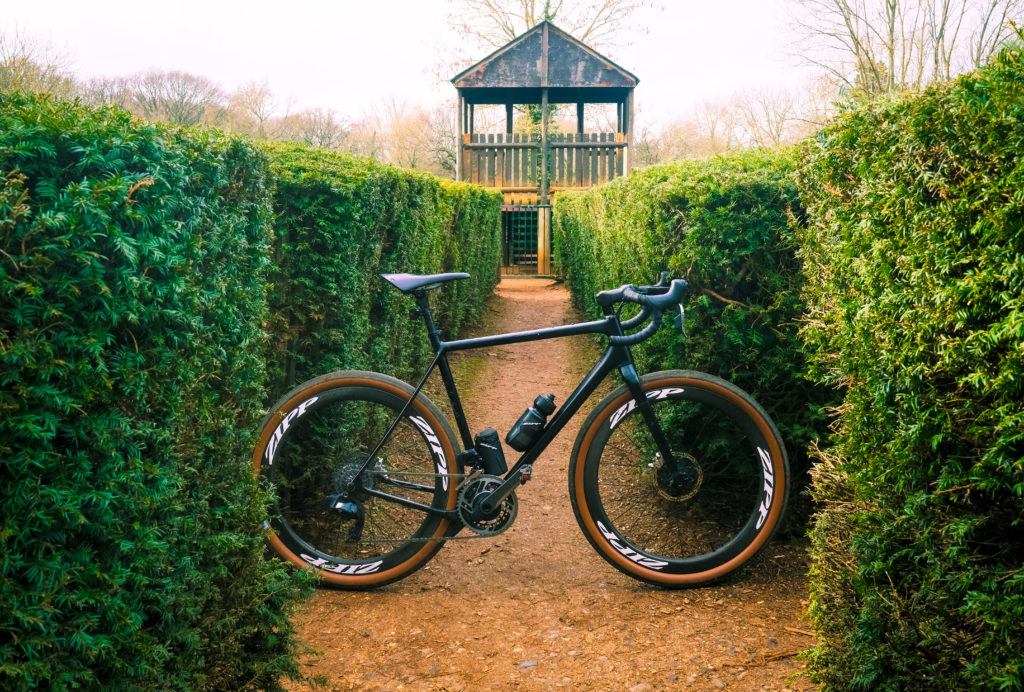
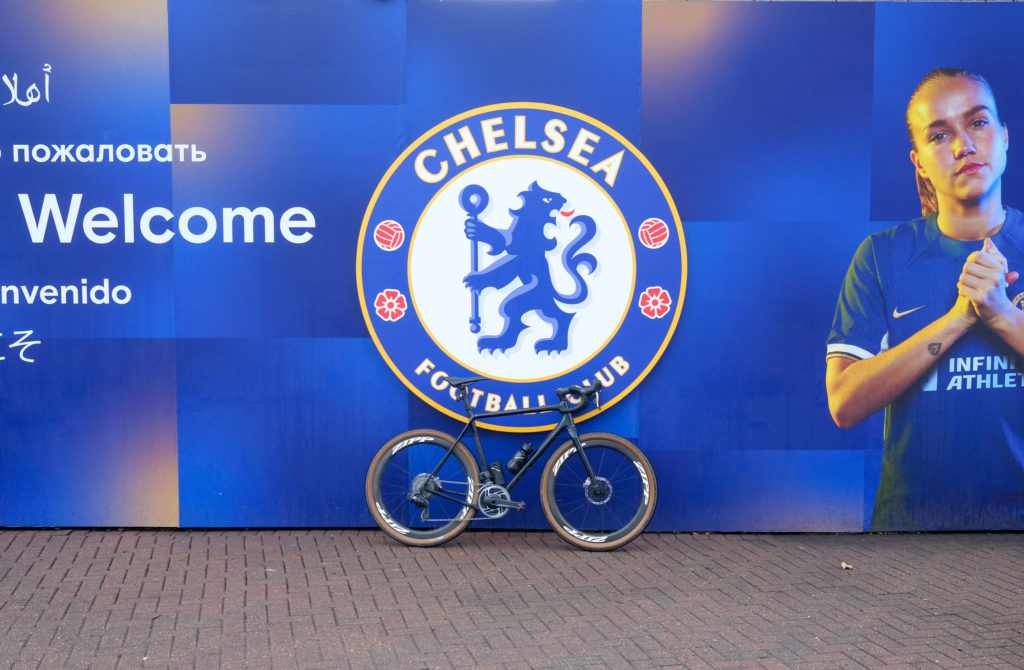
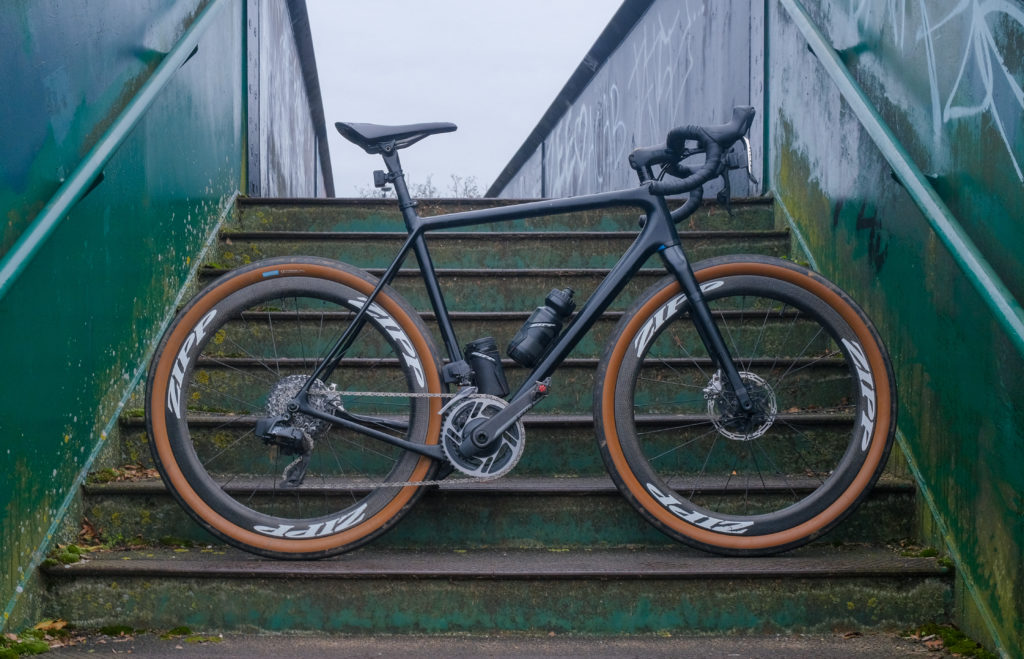
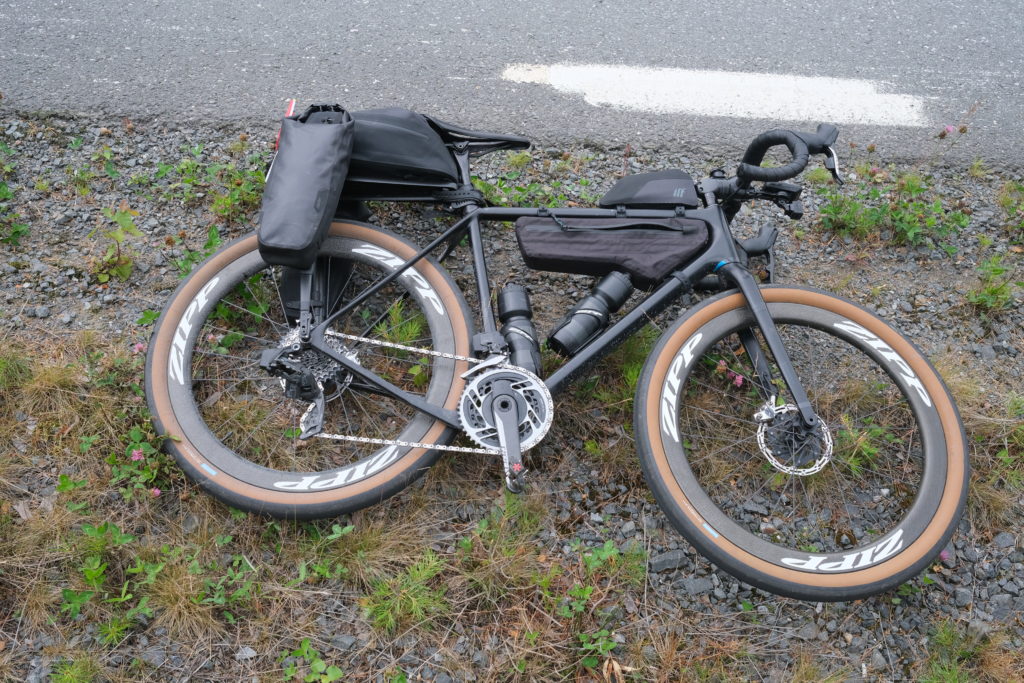
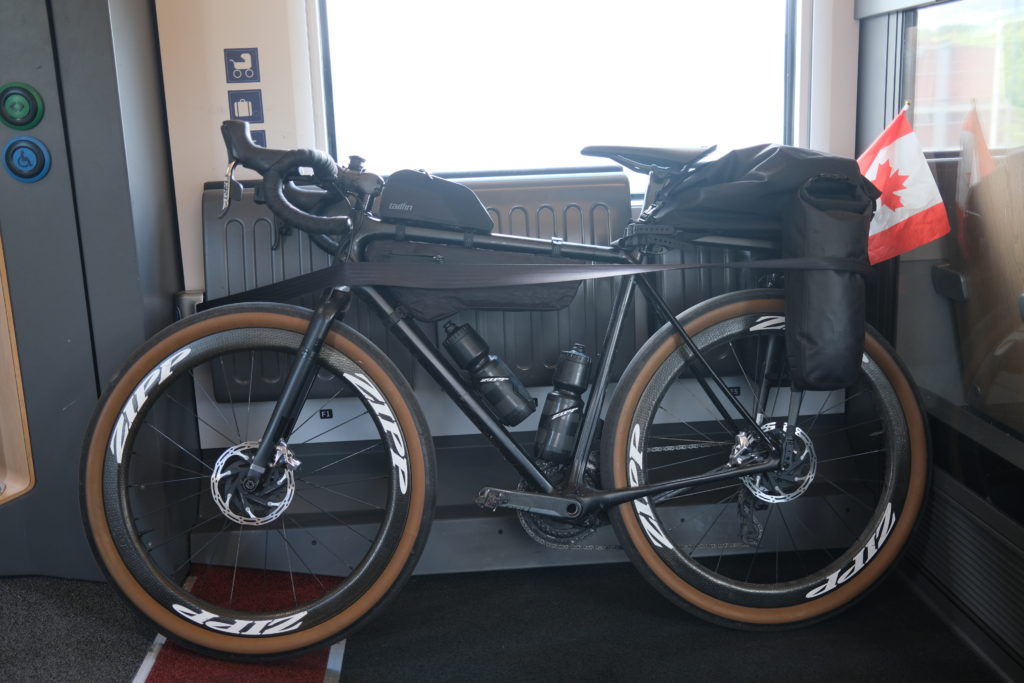
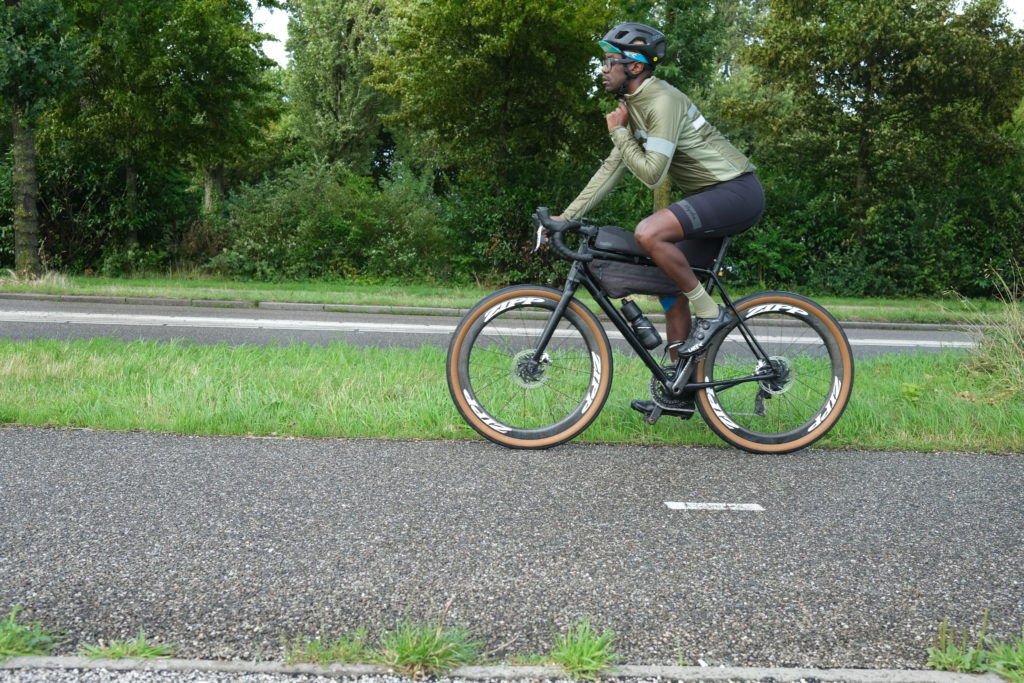
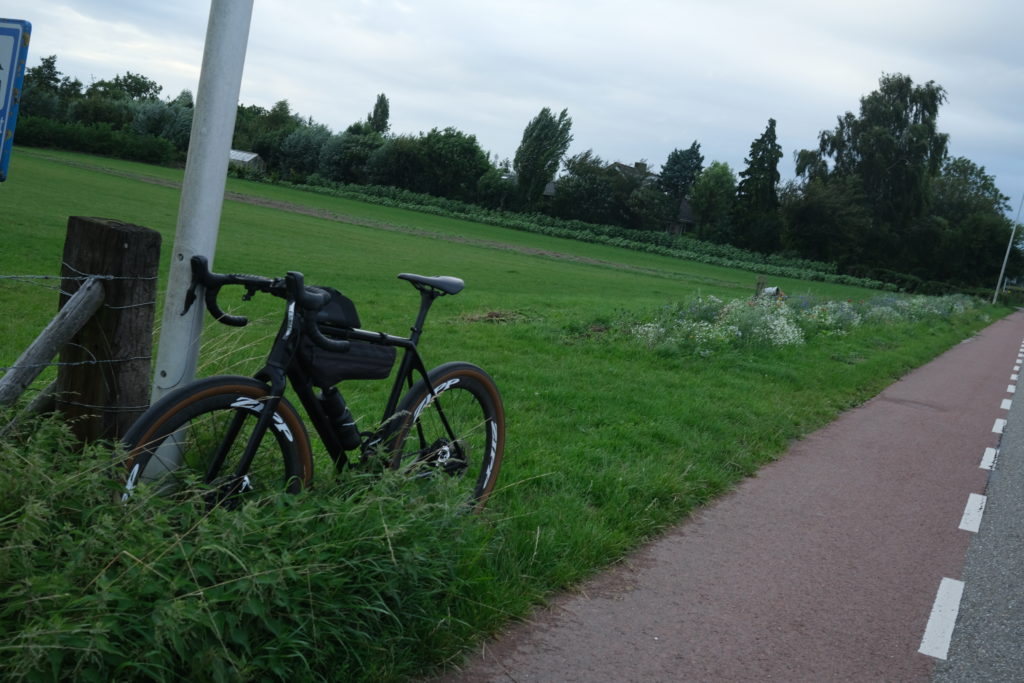
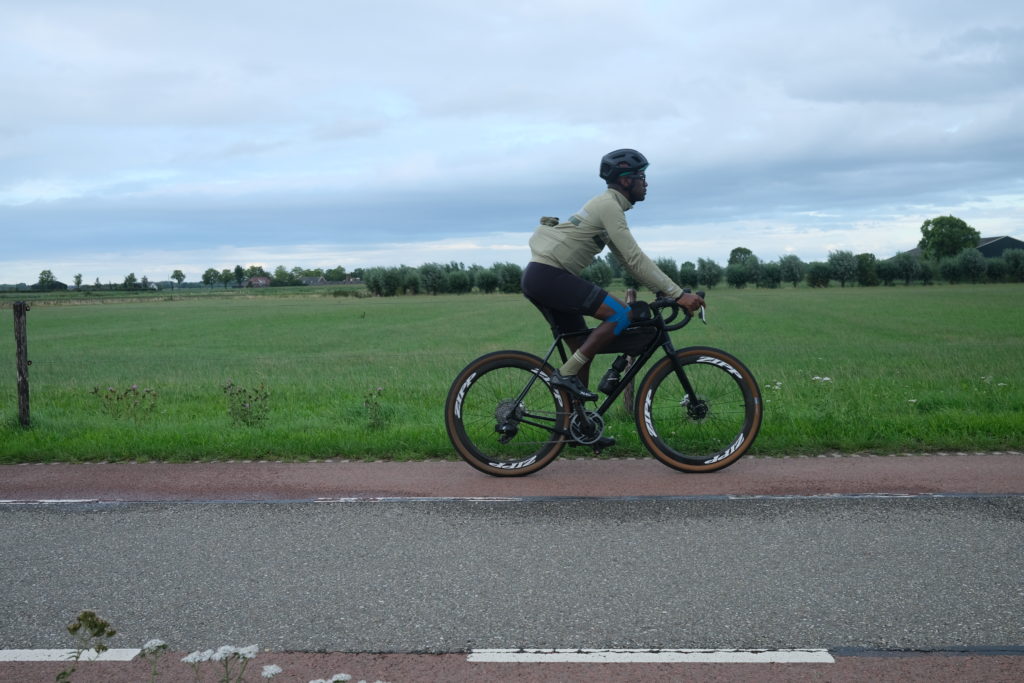
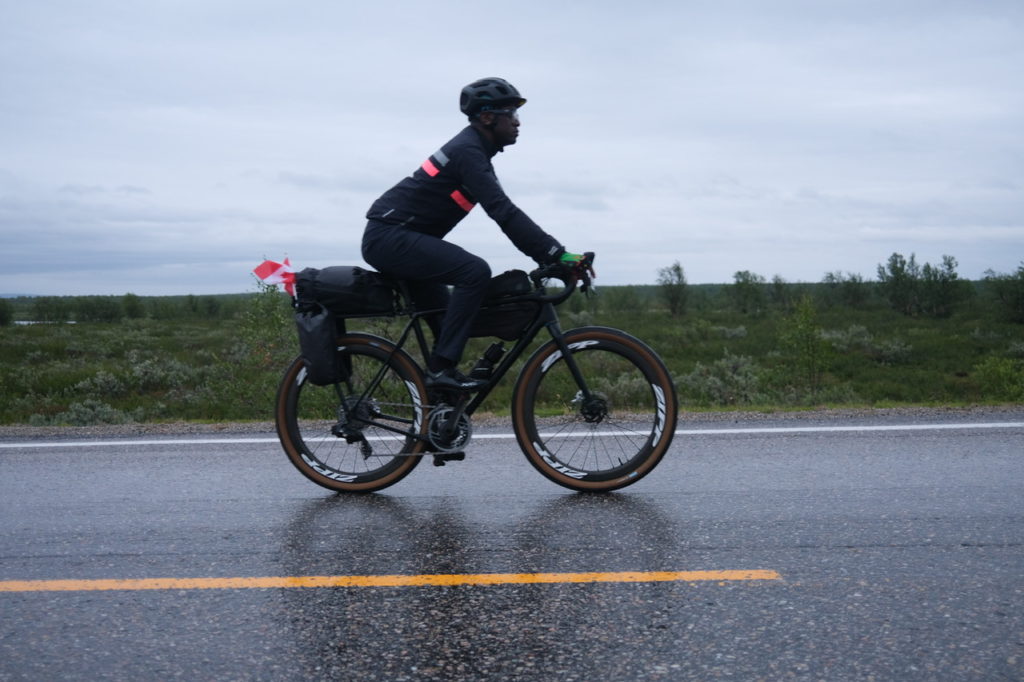
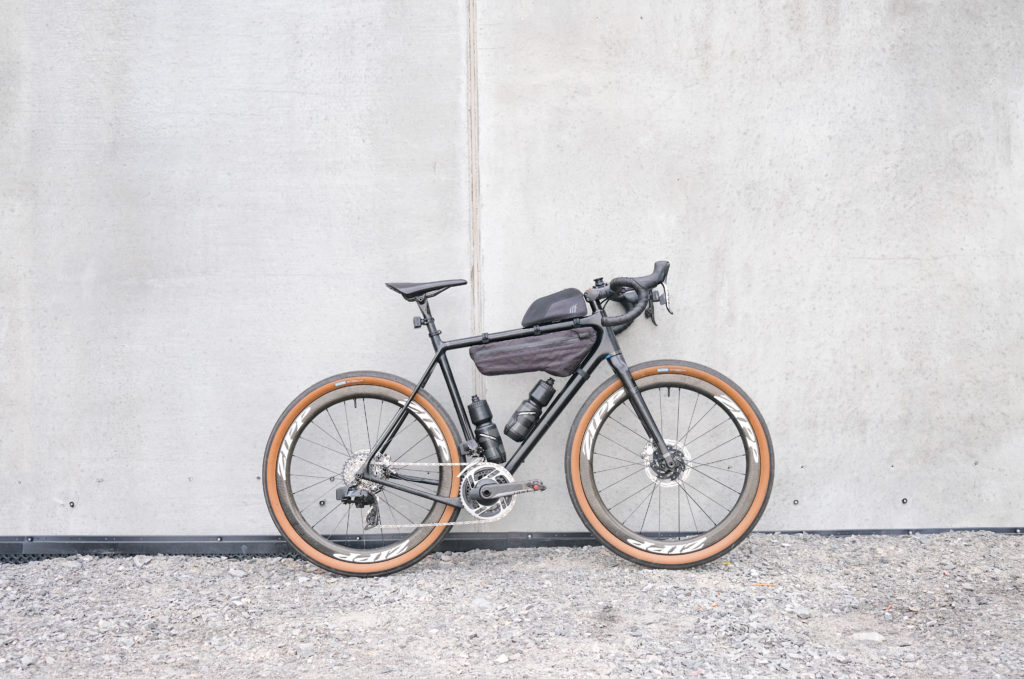
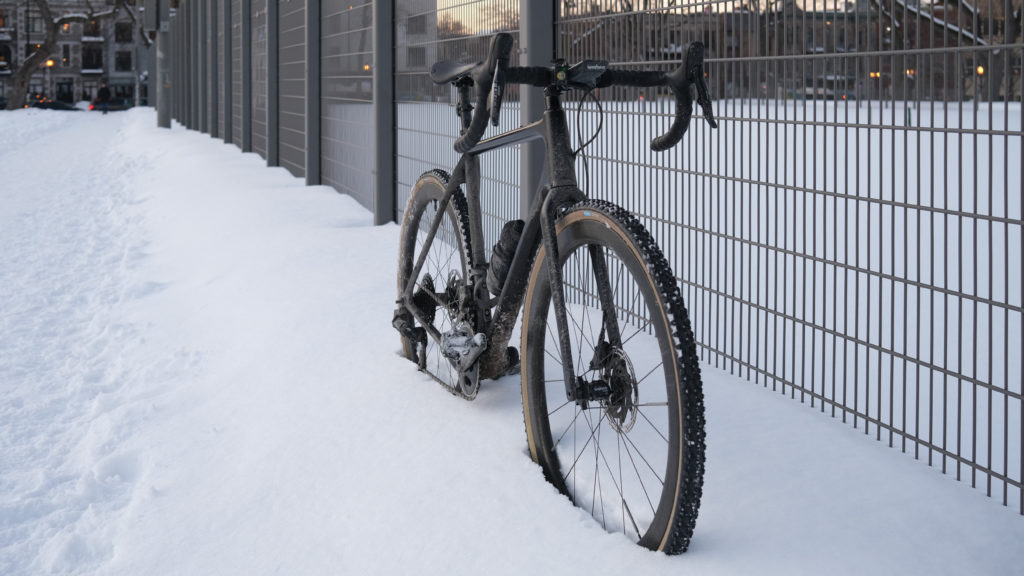
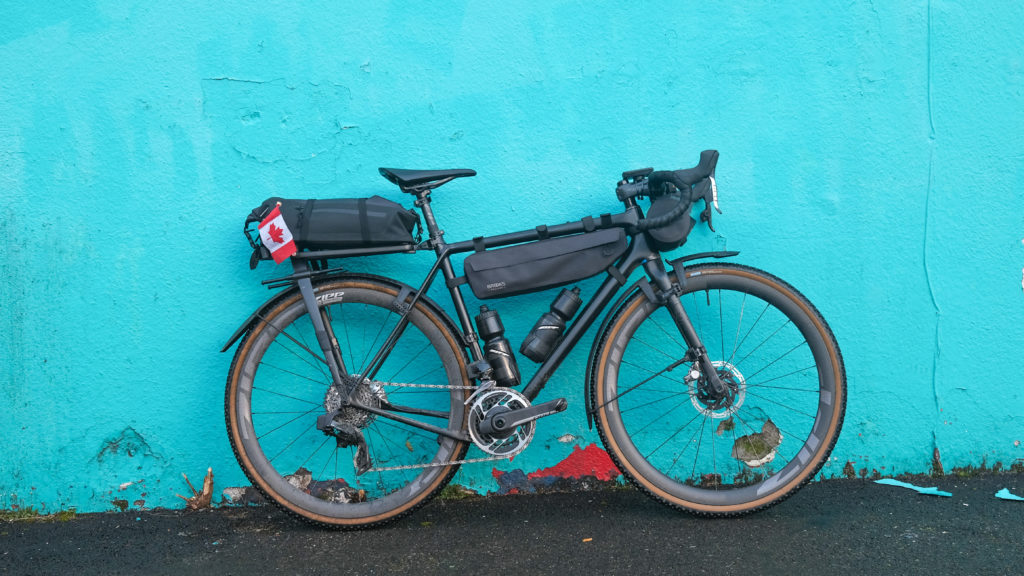
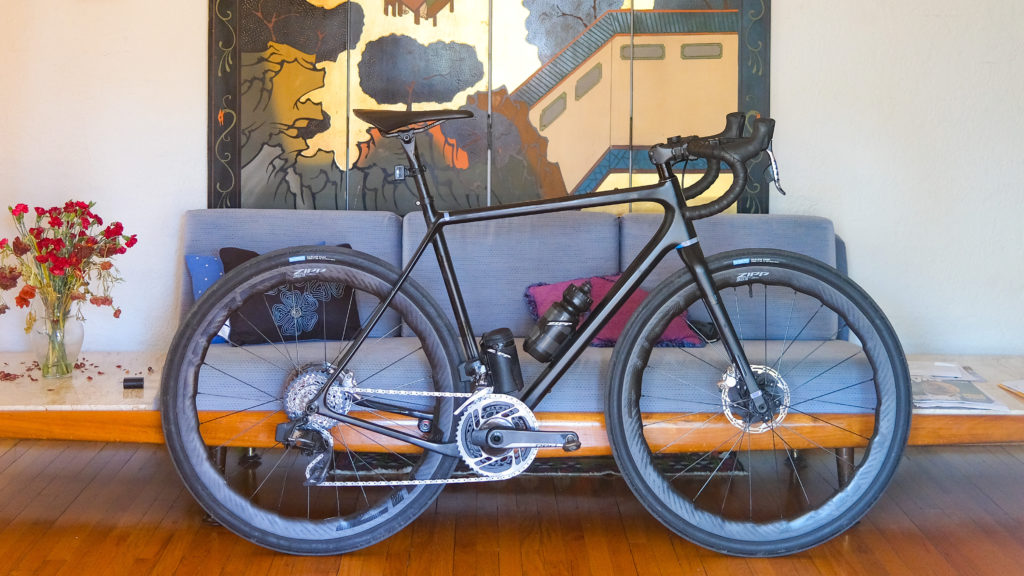
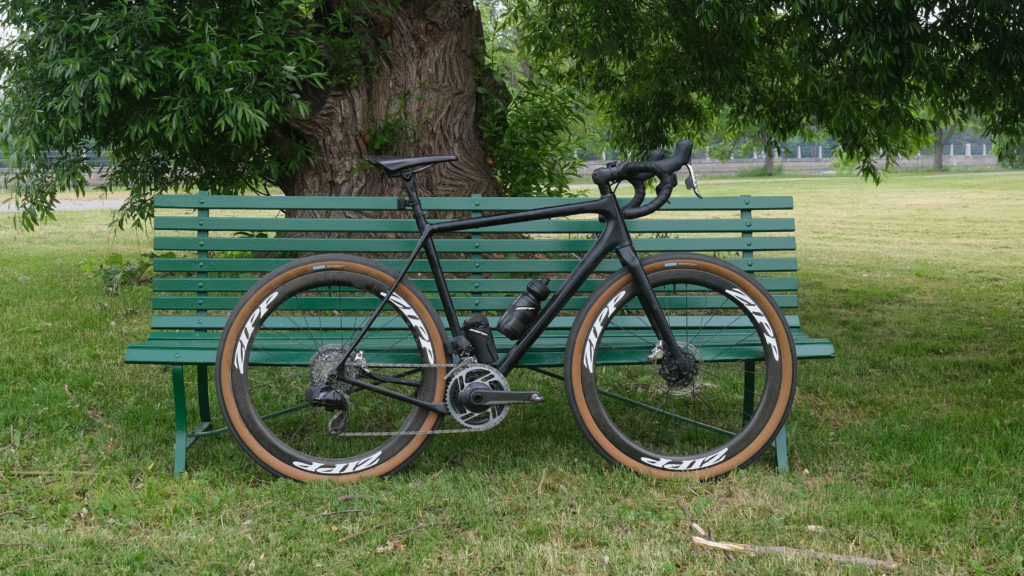
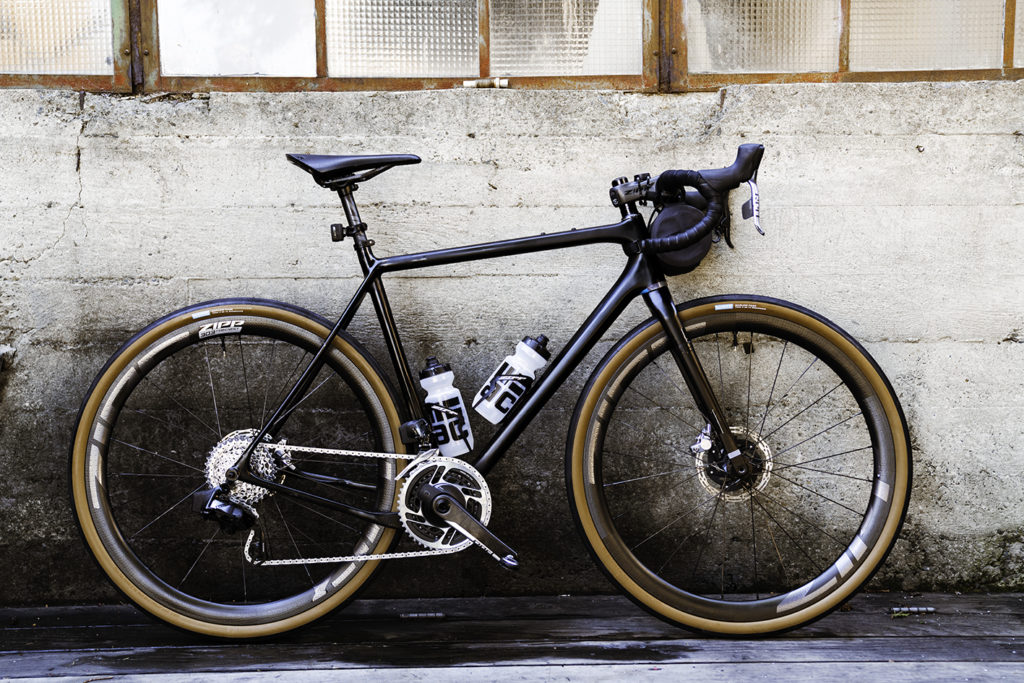
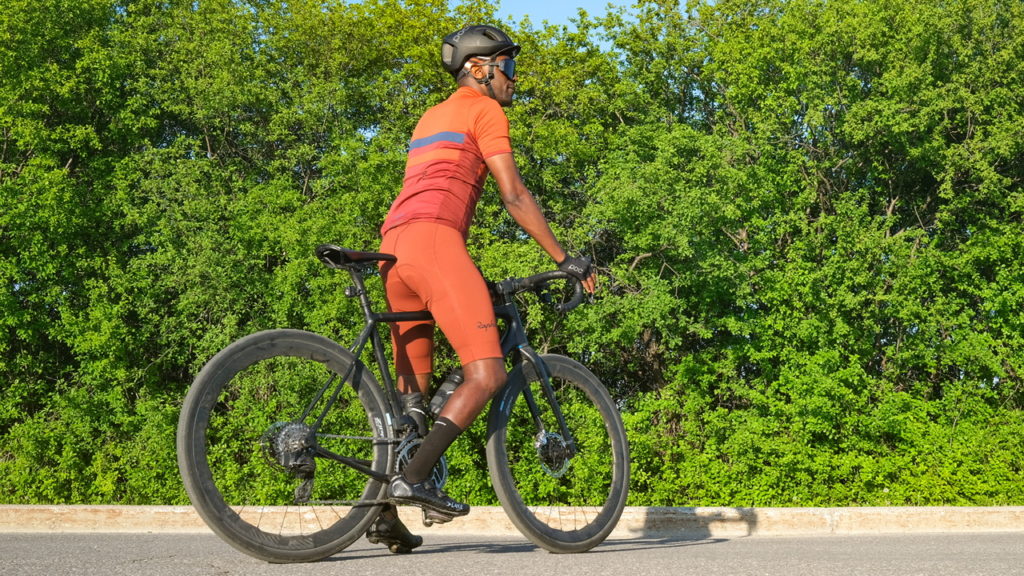
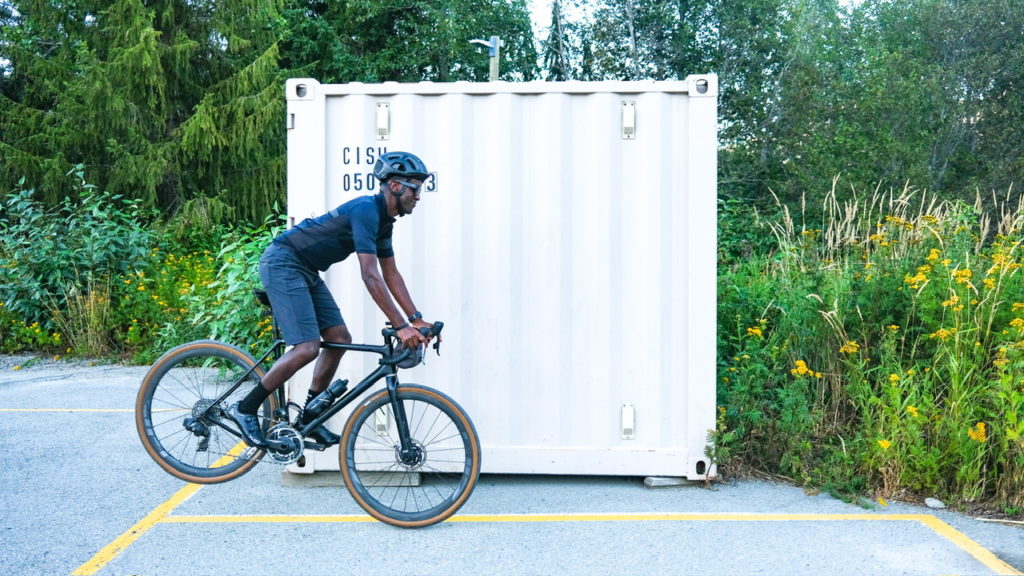
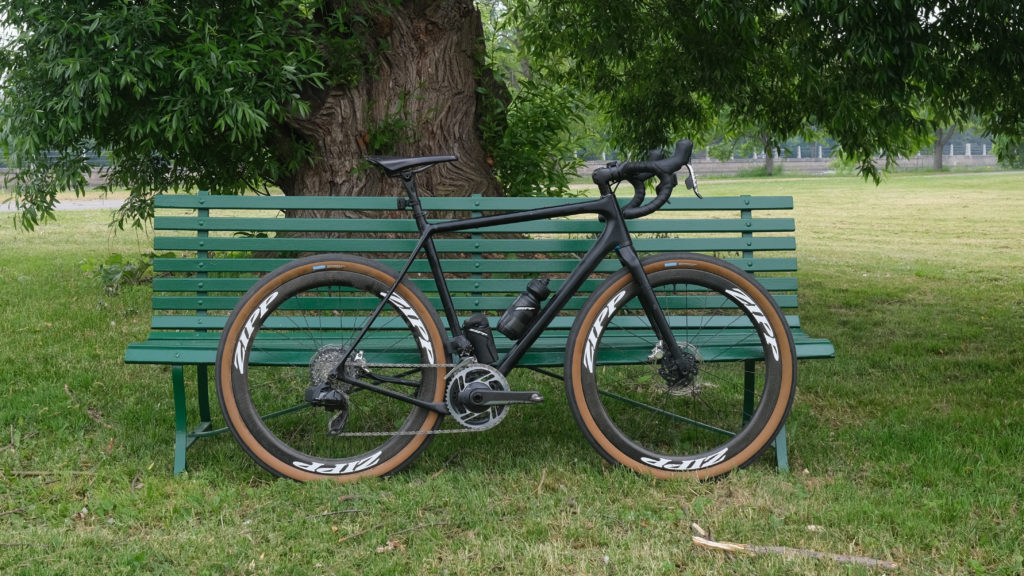
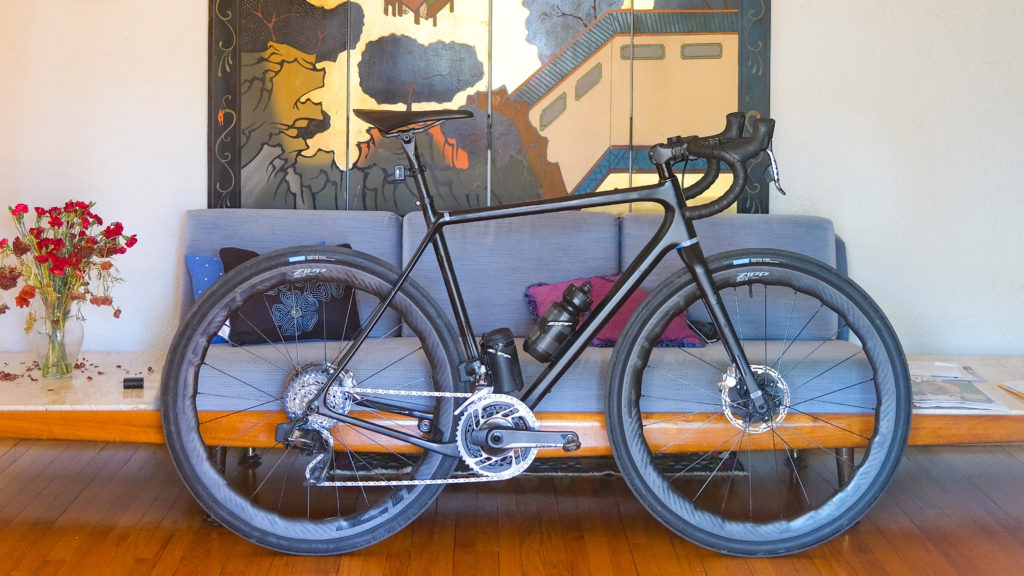
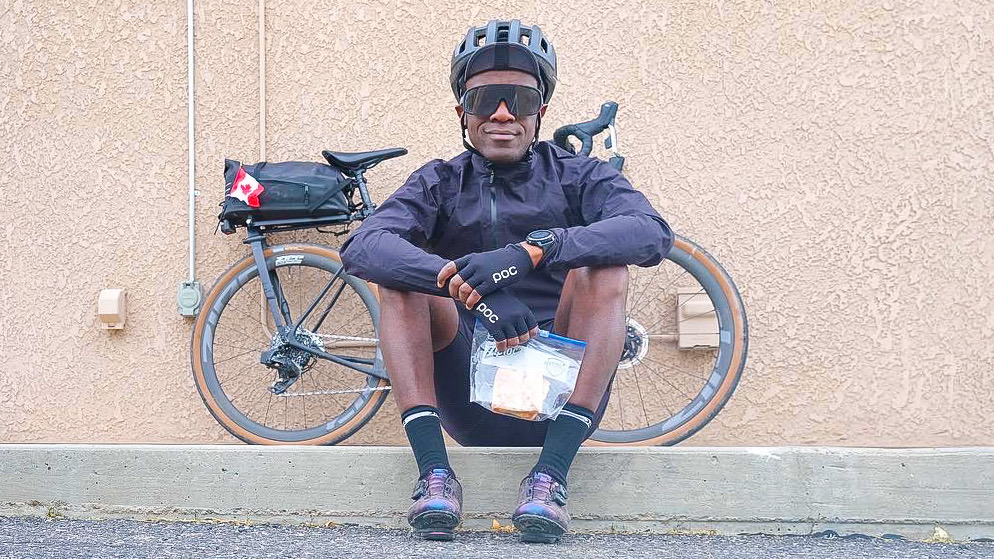
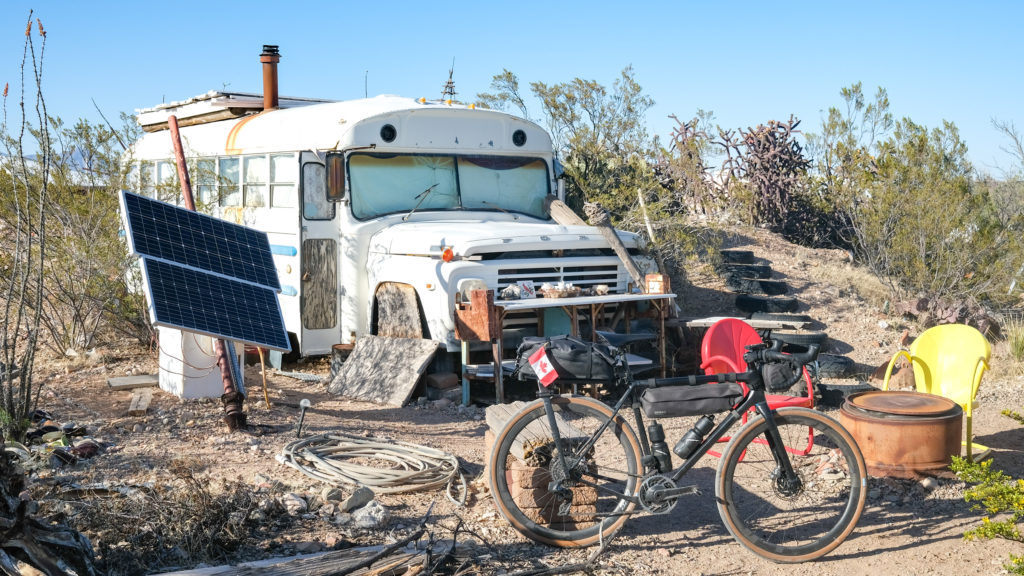
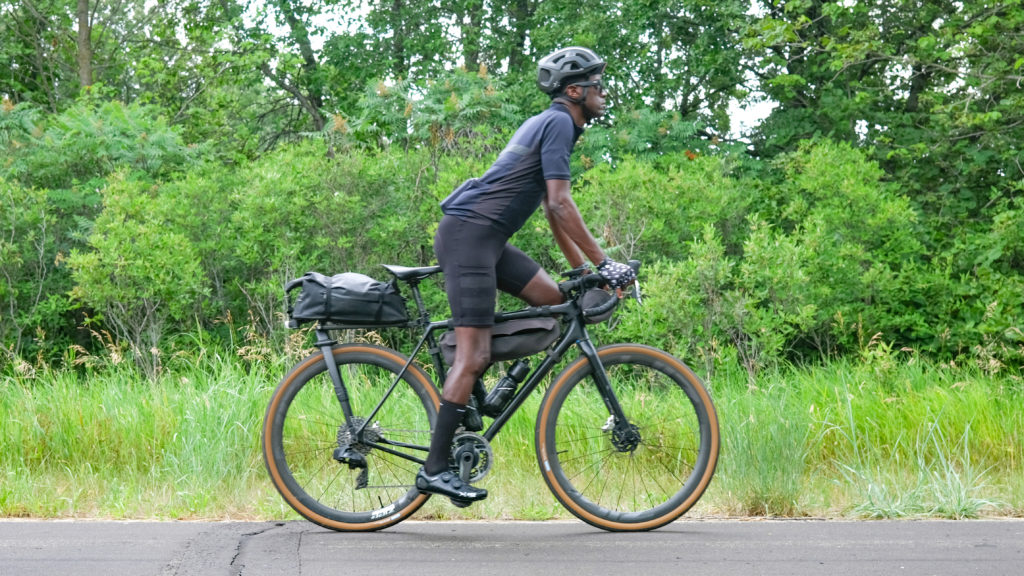
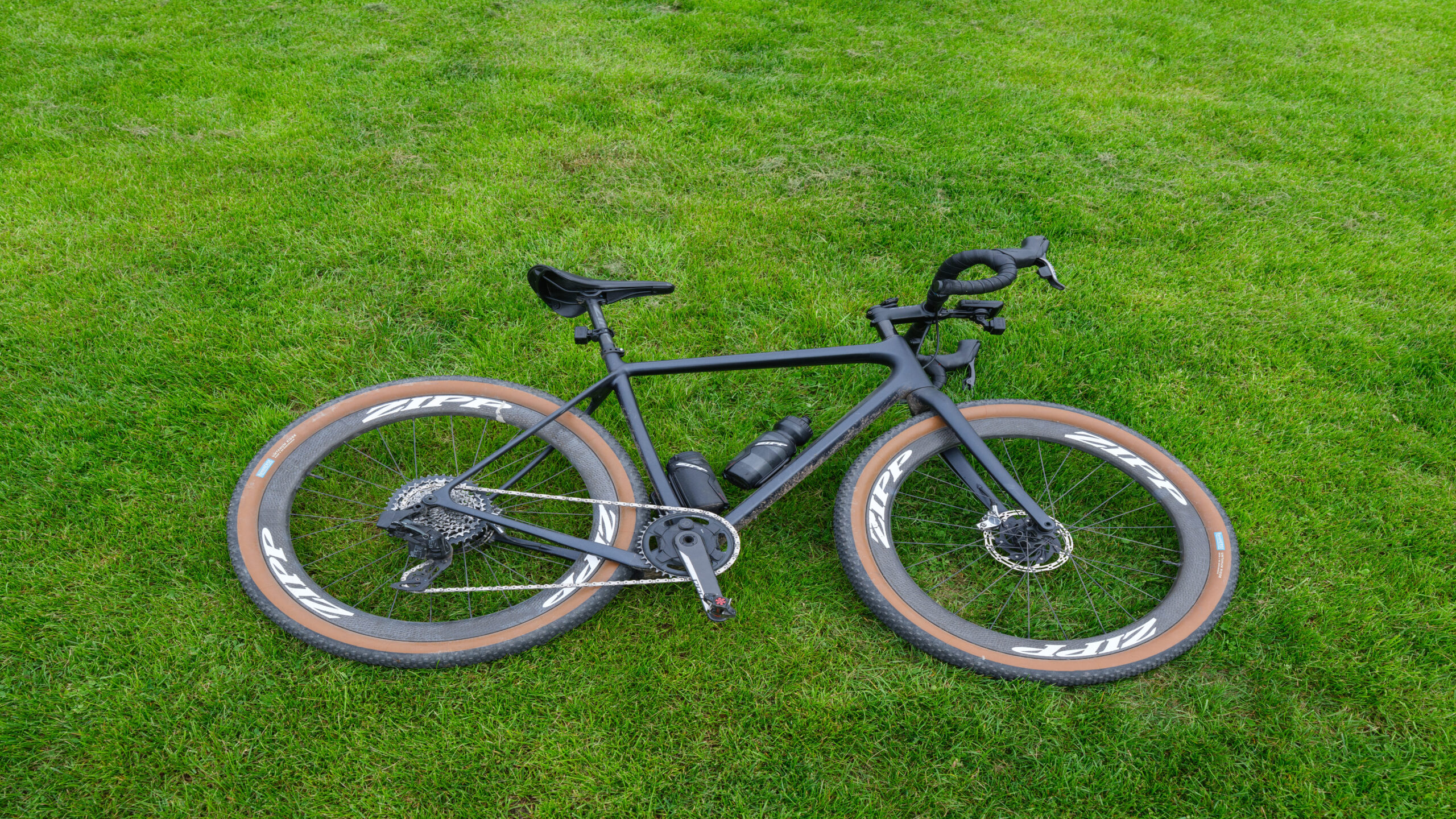
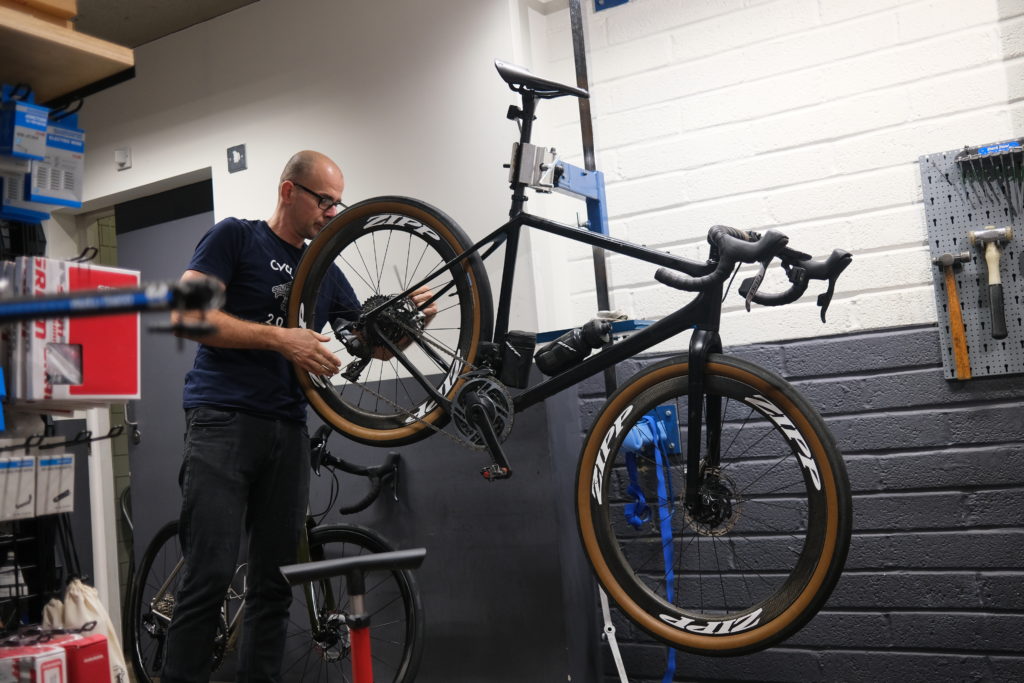
And when it comes to the OPEN WI.DE. released last week, I would say that the switch from 46 mm to 66 mm (2.6 inch) on 700c without resorting to the 61 mm (2.4 inch) 650B and the ability to slap on the 1x 13-speed XPLR groupset (which reduces the gear jumps that anyone who has to face questionable gravel or carry weight on their bike will appreciate) and lastly those two internal storage bags that fit perfectly in the frame will make mini saddle bags history. I really dislike their looks to the extent that when riding gravel, I sacrifice a second water bottle to put a tool box in the second cage, as depicted in the photo above of my RTP (ready-to-paint) OPEN WI.DE. Version 1 (painted by the amazing VéloColour in Toronto).

What am I saying?
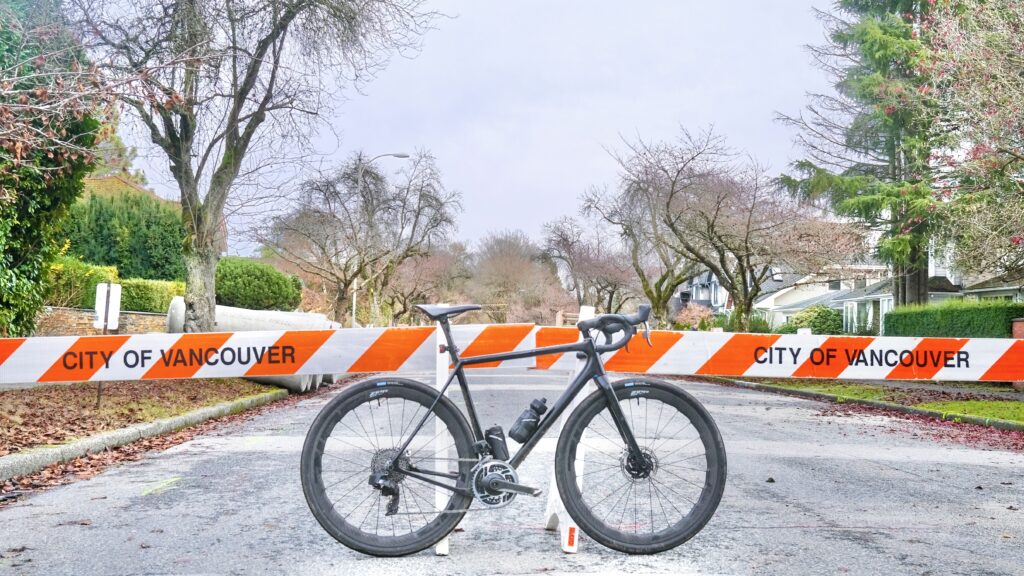
I will keep my current OPENs and get the new U.P.P.E.R. and WI.DE. because they are four different bikes which will be turned into specialists.

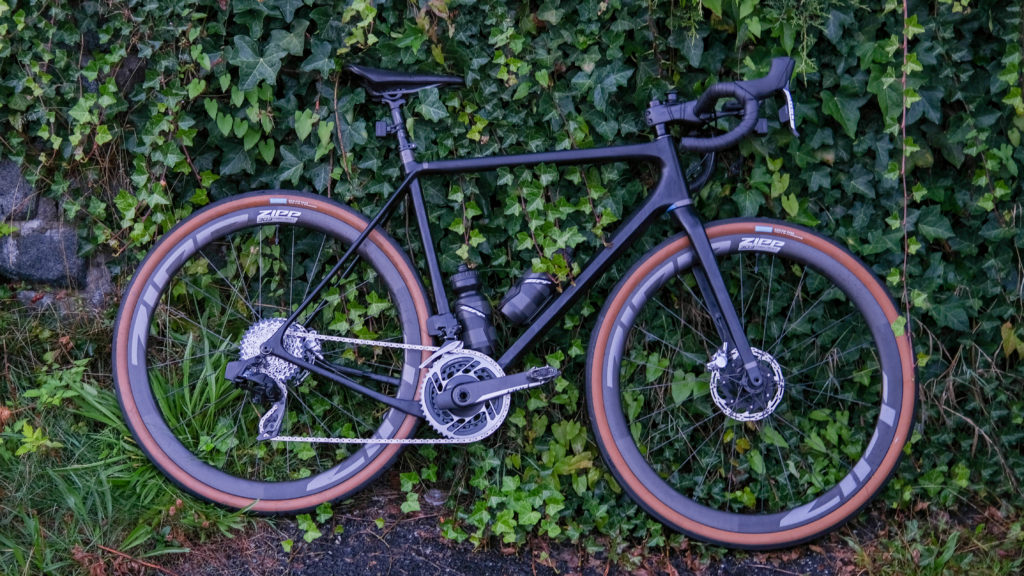
The MK1 U.P.P.E.R. will keep its 2x 12-speed but get discontinued yet stockpiled 650B Zipp wheels and René Herse slick 650×48 to become a long-distance/endurance bike on surfaces that are terrible asphalt or decent gravel.

The MK2 U.P.P.E.R. will get the 2x 12-speed or rumoured 13-speed, 700c Zipp 353 fast wheels and René Herse 44 mm slicks to become my road bike in endurance configuration on mostly asphalt, even if it will be more than capable on sketchy surfaces, paved or not.

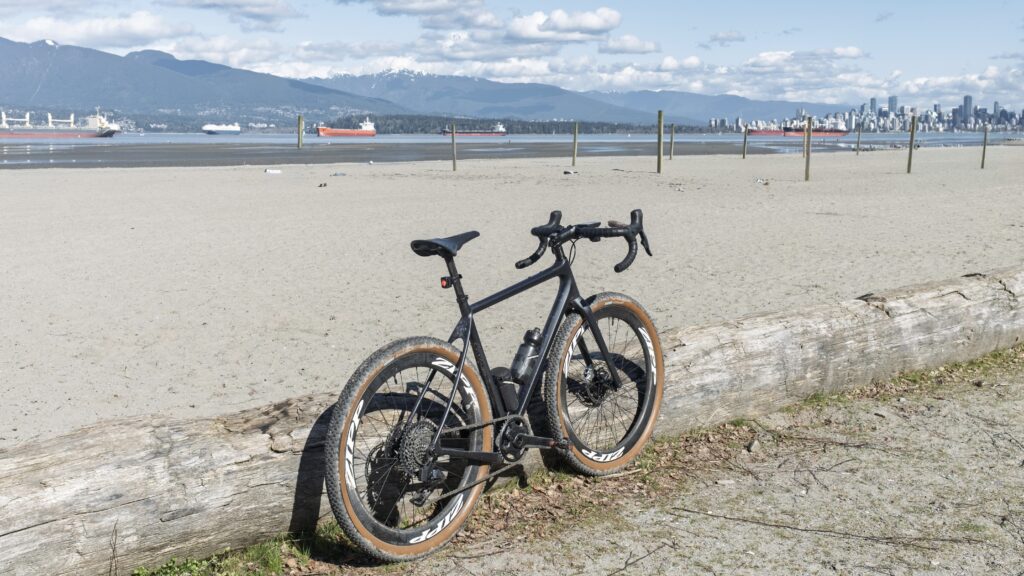
The MK1 WI.DE. will remain as is, i.e., 650B x 55 (2.2 inch) (Zipp wheels and René Herse tyres) with XPLR 12-speed; however, I will leave that bike in London, UK, or Houten, Netherlands, where I base myself when travelling to Europe and sometimes needing to go to Kenya or Rwanda for cycling safaris.

When I visit from Canada, I can only bring one bike. When I bring the road bike, I need the gravel bike and vice versa. This way, I could just travel with the road bike, i.e., the new U.P.P.E.R., and have both bikes for when I want to deal with the UK’s “gravel”—which is mud—yet be able to tackle my favourite road endurance ride, the Orbital.

The MK2 WI.DE. will become my extreme gravel bike and my expedition bike, two distinct disciplines that it will excel in given its specifications. It will have a 1x XPLR 13-speed and I will max out the 66 mm (2.6 inch) if we can get René Herse to start making tyres wider than their current 55 mm (2.2 inch) slick or treaded models. I am sure they are working on that! That would be my off-road beast and my commuter, because those who have experienced Montréal (my hometown) roads will appreciate such comfortable tyres. That will be on the first wheelset.

The second wheelset will have a maxed out 66 mm (2.6 inch) slick tyre for expeditions. Like I said, I am a slow cyclist and I need all the comfort that I can get, and I need to be able to take shortcuts on surfaces where narrow tyres would just never be considered. I will fully take advantage of the fact that it has so many mounts to put various Tailfin bags to good use.

I could go on; however, this is becoming an essay, so I will stop here.
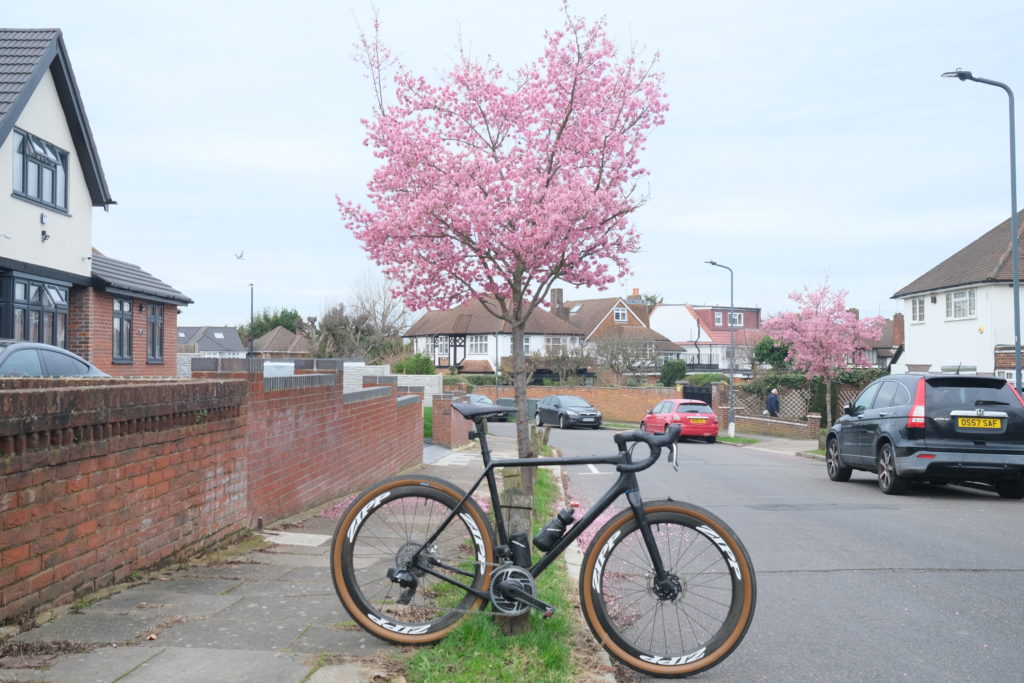
If you need absolute advice, here is my take. Get the new WI.DE. It is more modern, has more features and abilities and it is more future-proof.

And that is not some BS because the classic WI.DE. is still future-proof and I can ride it until the day I die as it does exactly what I want it to do. The new generation will just allow me to do more and this is not a contradiction because, like I said, they are two different bikes even if they are namesakes.

If you are on a budget and yet want the premium bike, consider getting a first-gen WI.DE. new or used as they will become more affordable given the launch of the 2.0.

U.P. 2.0 vs WI.DE. 2.0: this is an easy one. If you ride on gravel that scares you and has you praying aloud to make it home alive, get the WI.DE. with a MTB cassette! If your idea of gravel is an unpaved road with the occasional washed-out ground and perhaps some loose soil, and to get to that gravel you have to first ride some serious asphalt, get the U.P. 2.0 with the 13-speed XPLR or 2x if you need it to be an “all road” and gravel bike for those who prefer or can only own one.

I am sure I missed a lot of things and most of you will notice that I have a bias. Yes, I do. I am repeating this just in case. However, the advice still stands even if in my world the only gravel frames that I would consider are OPEN, which is not very… open-minded of me, but the heart likes what the heart likes!

20 May 2026 update: I may have another plan when it comes to the future of the WI.DE. 1.0. Stay tuned 🙂
{ 0 comments }

A prospective client, connected through someone who reads my Instagram posts (I prefer not to label people as “followers”), reached out for my bike shopping advisory services as they want to get into road cycling.

I highlighted that before focusing on specific brands and models — unless they have considerable knowledge about bicycles — the most crucial step is choosing the right shop or boutique.

This decision significantly influences a beginner’s cycling experience and lifestyle.

For those new to the world of cycling, unfamiliar with the differences between aero, gravel, climbing, cyclocross, endurance, or gravel bikes in the “drop-bar” segment, or unsure about the type of cycling they wish to explore, it is vital to either have a knowledgeable friend, consult with an advisor like me, or, more importantly, find a reputable bike shop.

Given the geographical distance between us, I advised this potential client to concentrate their efforts on identifying the best local bike shop rather than booking a consultation with me, as this would be a more efficient use of their resources.

The choice of a bike shop is critical, especially for those unfamiliar with bicycles and their maintenance. It can greatly affect whether your cycling life is fulfilling or filled with frustration. However, in their situation, residing in a city with an abundance of bike shops became an issue which led the aspiring cyclist to decision-making paralysis, who then requested my assistance in finding a suitable shop within their city.

Coincidentally, during my cycling tour across the USA in 2022, I had a notable experience with a bike shop in their city that had expertly handled a tubeless tire issue for me. Recalling a mechanic from that shop who had begun following my Instagram feed after my visit, I reached out, discussed my client’s requirements, and arranged for an introduction. They are set to meet next week.

CycleFit is my go-to bike boutique in London, UK. They built my first road bike, my beloved OPEN U.P.P.E.R. in 2019.

When I look for a bike shop, finding one that resonates with my personality and cycling philosophy is my primary focus. In Montréal, for example, a shop located a short distance from my flat catered mainly to road racers.

Their focus on “speed above everything else,” which does not align with my outlook on cycling, made my visit a bit frustrating as they were trying to make me faster while I just wanted to be comfortable, and they simply could not understand that I don’t ride to race or for fitness.

In contrast, another shop in the opposite direction, which upheld a ‘fun above all’ philosophy, was more in harmony with my approach. This shop carried brands and models that I prefer, such as Brooks saddles, ideal for comfortable adventures off the beaten path.

This simple illustration showcases the importance of selecting a bike shop that not only meets your practical needs but also reflects your personal cycling ethos. If you are considering taking up road, gravel, or any type of cycling, finding the right bike shop should be your number one priority.

{ 0 comments }

Reflecting on the N+1 concept that resonates deeply among cyclists, where the ideal number of bikes one should own is always one more than they currently have, it prompts me to consider the array of bike enthusiasts, especially those with the means, proudly enumerate.


They mention aero, climbing, cyclocross, endurance, touring, winter and gravel bikes, each meticulously selected for its specific discipline within the drop bar style of cycling. This world is where I immerse myself, yet I consciously avoid anything related to mountain biking (MTB), humorously redefining the acronym as “must trash bones” in my own vocabulary.


Given this context, the N+1 formula cheekily (or seriously!)  suggests that the perfect number of bicycles to own is always one more than you currently possess. This playful principle captures the ever-present yearning for a new bike that might fill a niche, offer a new experience or simply add to a collection.

However, despite the allure of N+1, I sometimes find myself questioning the necessity of owning multiple bikes. Despite having a collection of my own, the truth is, I don’t actually need them because of the sheer versatility of my OPEN U.P.E.R. makes it redundant. This bike is a jack-of-all-trades, serving as my climbing, endurance, randonnée, gravel, touring and commuting bike.


The ability to customise it for each category with specific Zipp wheel and René Herse tire combinations—from 700×32 (slick tires) for climbing to 650Bx55 (treaded tires) for extreme gravel—highlights its adaptability. Currently, the 650Bx48 setup is my preference (slicks), as it allows me to focus on endurance and dry gravel which are the majority of riding that I do.

I’m not claiming that the OPEN is the best in every sub-category. However, its ability to consistently rank in the top 10 across various disciplines confirms its status as a master of many trades. This underscores a crucial point for those who, like me, travel a lot, live in tight spaces, lean towards minimalism or are in situations where one highly versatile bike is essential.

If you enjoy the diverse disciplines of drop bar cycling, opting for one exceptional, adaptable bike is a smart choice.


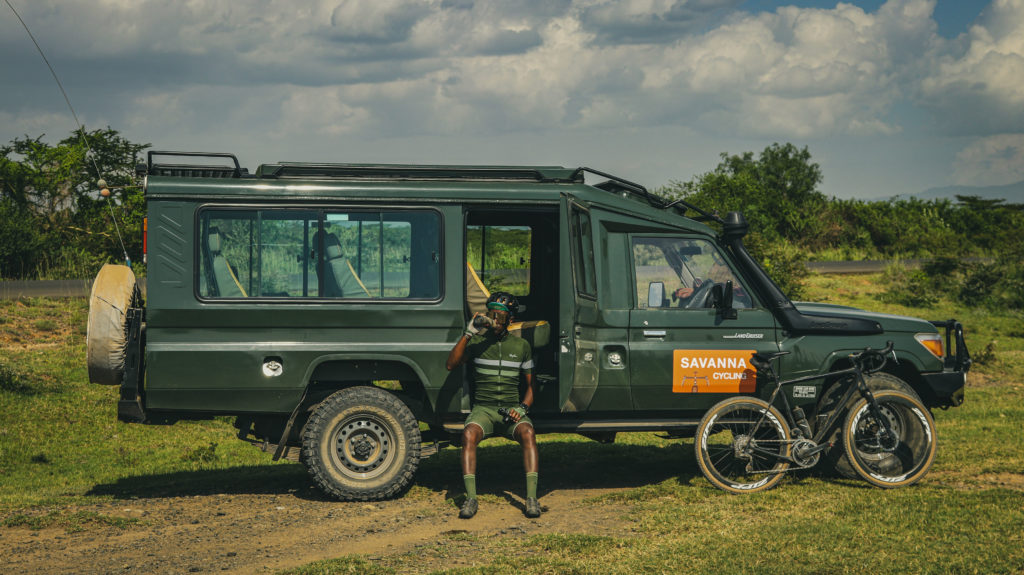
This belief isn’t unfounded; it’s based on my wide-ranging firsthand experiences. My bike has accompanied me to the Arctic Circle, ventured through the Maasai Mara in Kenya with Savanna Cycling, encircled the USA and traversed continents from Canada to Europe. It has scaled Ventoux three times in a single outing, braved Canadian snowstorms, and doubled as my dependable grocery-getter, securely fastened with LiteLok locks.

These aren’t mere stories; they’re chapters of my life, showcasing the unparalleled versatility and durability of my chosen two-wheeled companion.


Moreover, my bike is always an incredible conversation starter, which amusingly could qualify it as a business expense. After all, networking is an essential marketing strategy!

Imagine sitting by a café in Richmond Park, drawing the curiosity of fellow cyclists who can’t resist inquiring about your ride. It’s an opportunity not just to share your adventures but to potentially promote your business or introduce you to new people.

And for those contemplating how their significant other might react to their cycling indulgence, consider this: revealing that you’ve essentially acquired five bikes in one should elicit applause for your efficiency rather than dismay. However, it might still be prudent to keep the receipt hidden!


Just to be clear, I am not saying that one should only own one bicycle that does a lot of things well versus owning a fleet that consists of specialised tools. I am stating that an extremely well-thought versatile one can work in cases where only one is only at one’s disposal.

I wish I could travel the world with all my five bikes including the extreme gravel OPEN WI.DE. however until millionaire status the mighty OPEN U.P.P.E.R. will be the perfect N=1.

{ 0 comments }

This year, 2024, marks my return to exploring and experiencing places on the planet by bicycle, as opposed to merely passing through and barely taking the time to absorb my surroundings.

One of my fondest activities when I seriously got into cycling in 2015 was to pedal somewhere random and just sit there, being present whilst taking it all in.

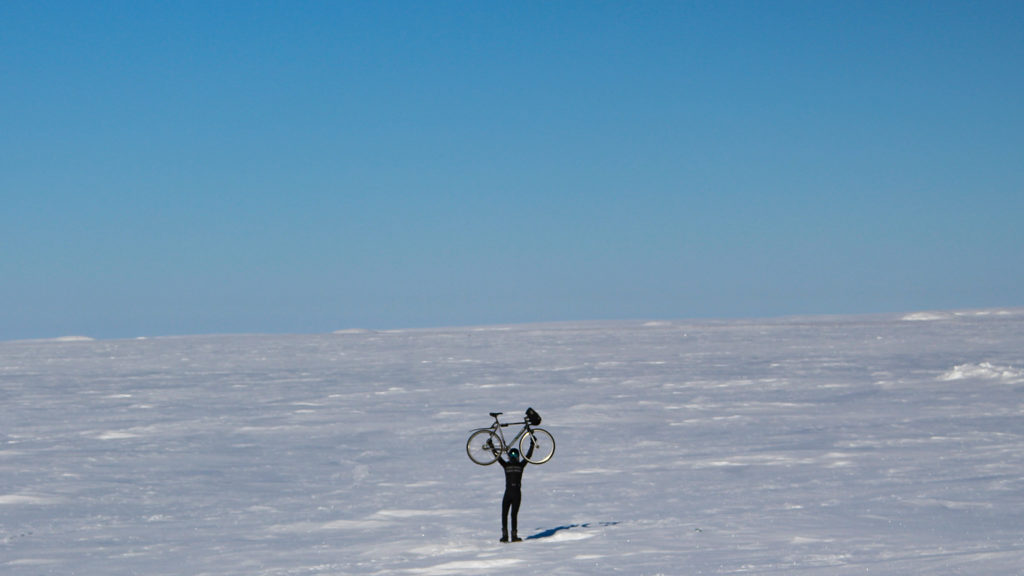
Then the challenge of covering long distances and seeing as much as I could along the way kicked in. Before I knew it, I had cycled across Canada on a fixie in Winter in 2016-17, a second time in the pandemic on a geared bike in 2020, around the continental United States of America in 2022 and in 2023 across Europe from its northernmost point in Norway to its southernmost in Spain.

My yearly trip to Kenya as a Savanna Cycling brand ambassador, which got renewed for 2024 – yay!!, is a prime example

Some days consist of serious distances in the saddle to properly reconnect with the country where I spent my formative years, such as the 106 km Mau Mau Loop with 1920 m of elevation in October 2022. This literally had me gasping for air, as it was in an area that was 2000 m above sea level.

So as a Canadian trying to keep up with Kenyans, it was quite a challenge, one that I have come to cherish as I fondly remember it.

Photo: Savanna Cycling/Keith Bingham

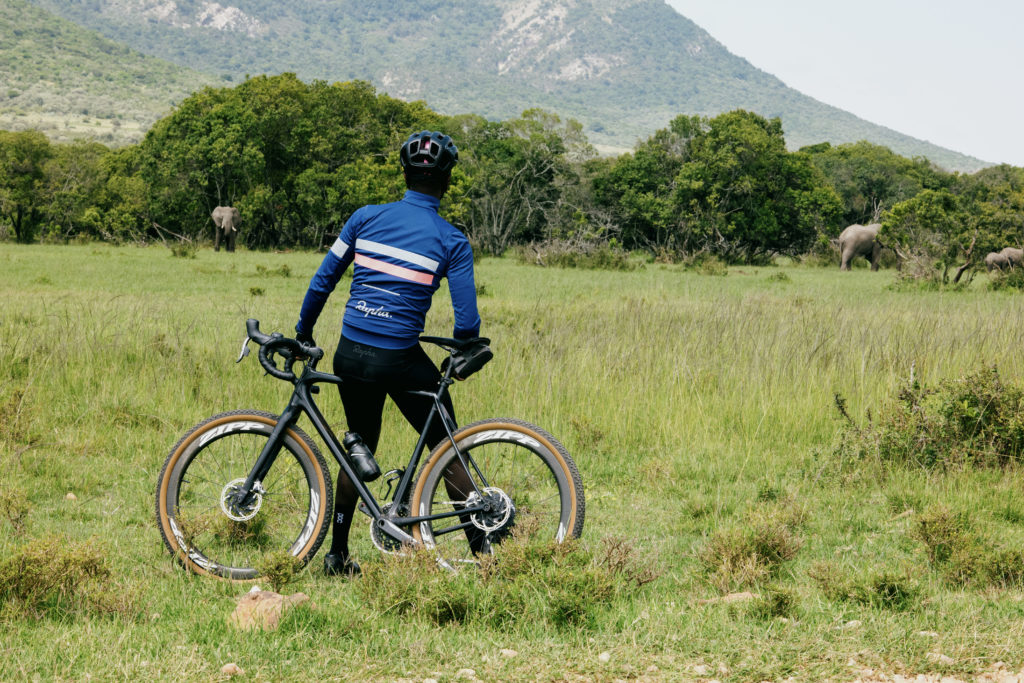
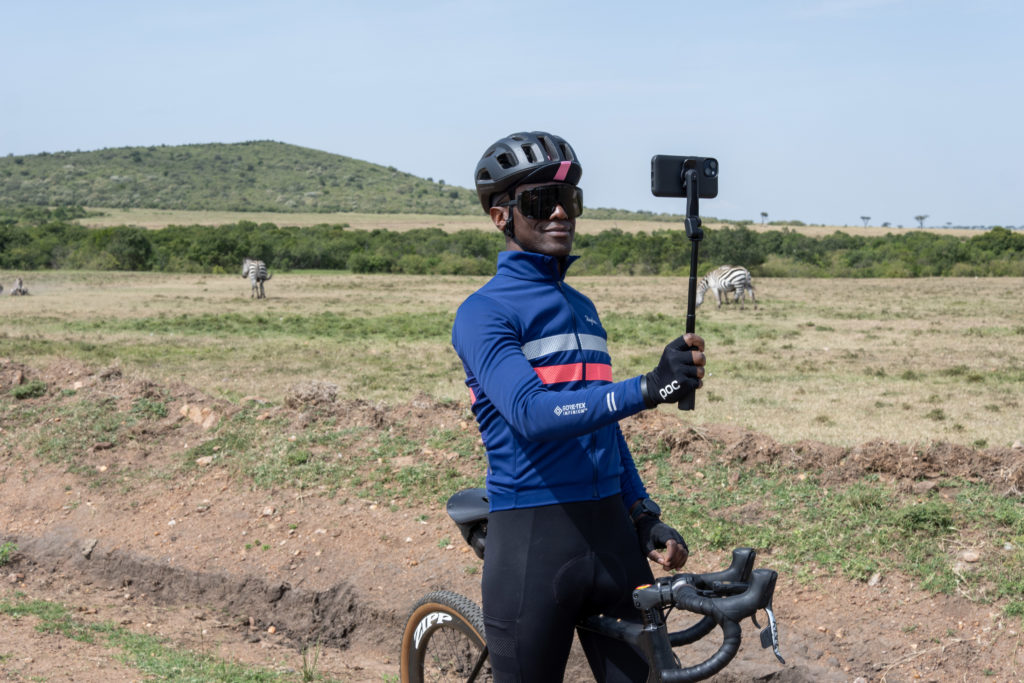
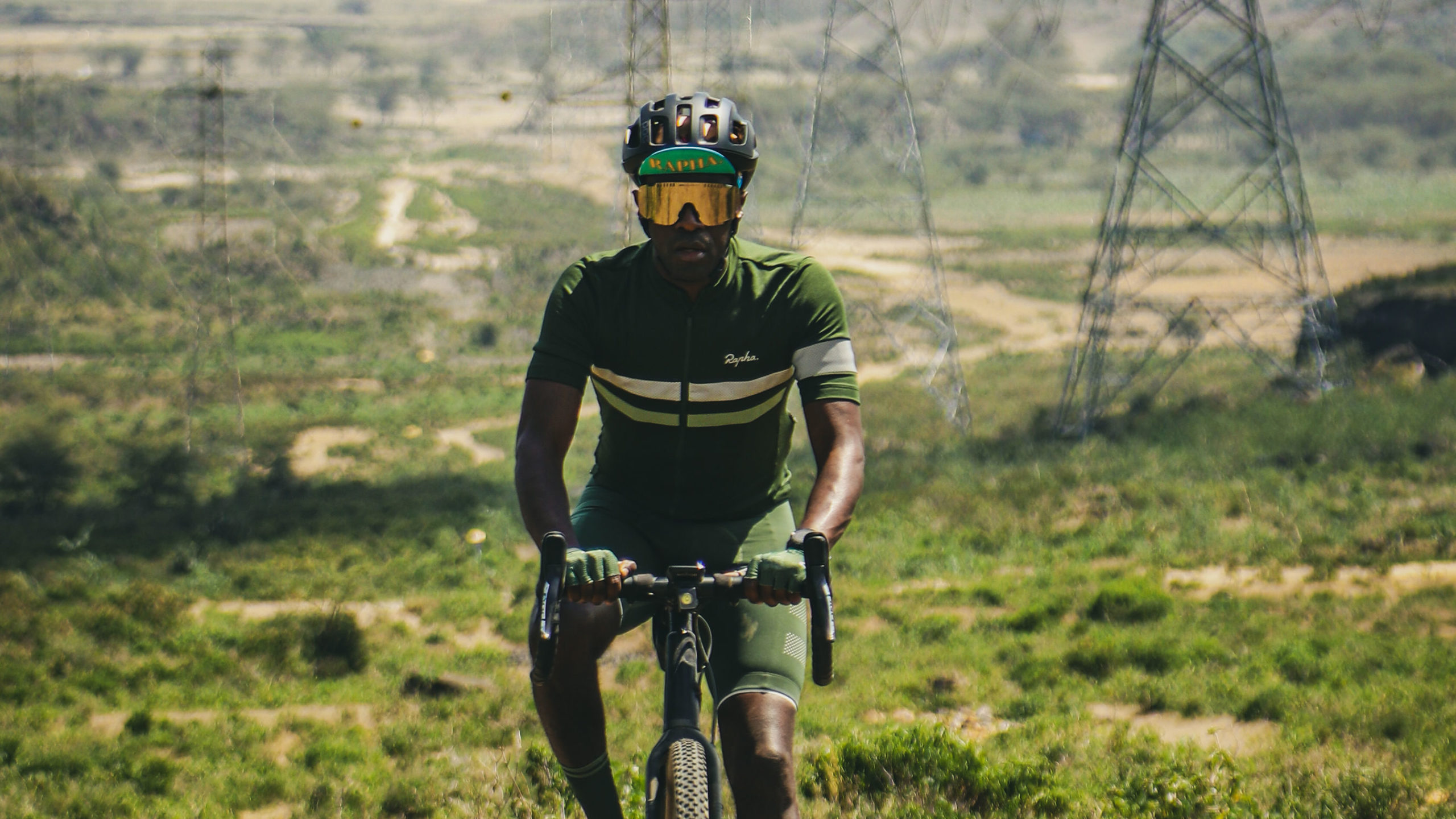
Other days consist of a more laid-back cycling safari on my OPEN WI.DE. or U.P.P.E.R. in gravel bike mode. These are simply all about sightseeing which is a much different experience on two wheels than inside a tourist vehicle.

On a bicycle, one is within the flora and can have a better look and smell however also closer to the fauna (within legal and reasonable distances because the meanest animals in the Maasai Mara are not predators but herbivores such as the hippos, buffalos and elephants, according to what locals fear the most – not lions!).

For those into photography, it’s even perfect because the vantage points are much better on bikes (some do it on rental ebikes if they are lugging heavy gear or need pedal assistance), allowing them to bring home images that would have been impossible to shoot from a tourist vehicle.

Do I need to go all the way to Kenya to have amazing moments of exploring and experiencing the world on my bicycle? Of course not! London itself never ceases to amaze me daily. So, as long as I am on a bike, I will be able to enjoy it all and share it with you on this blog and on social media!

{ 0 comments }

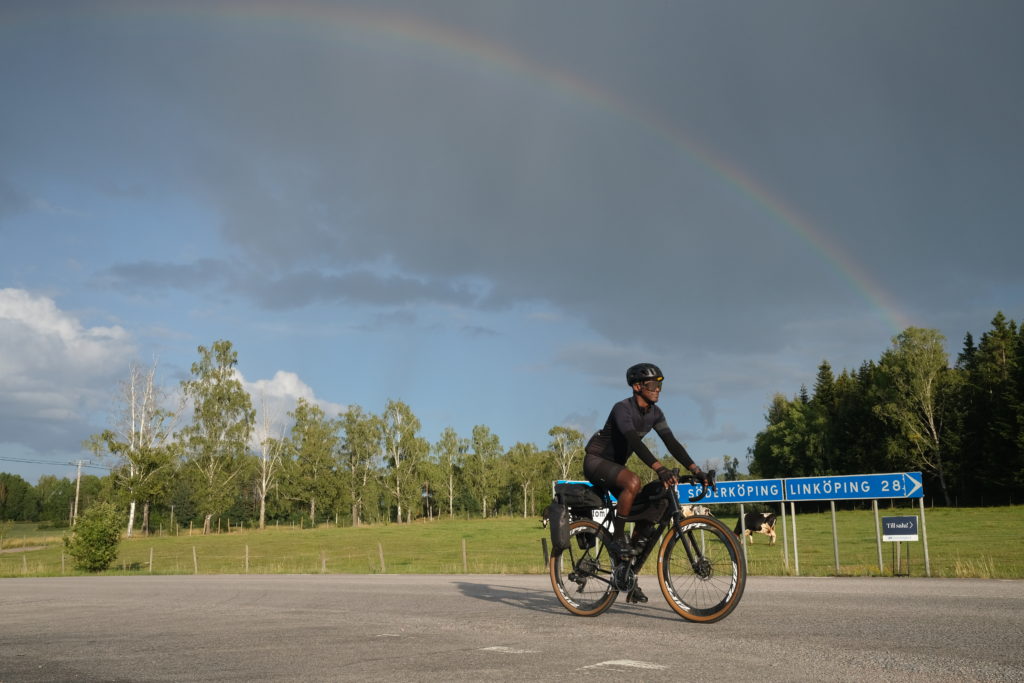
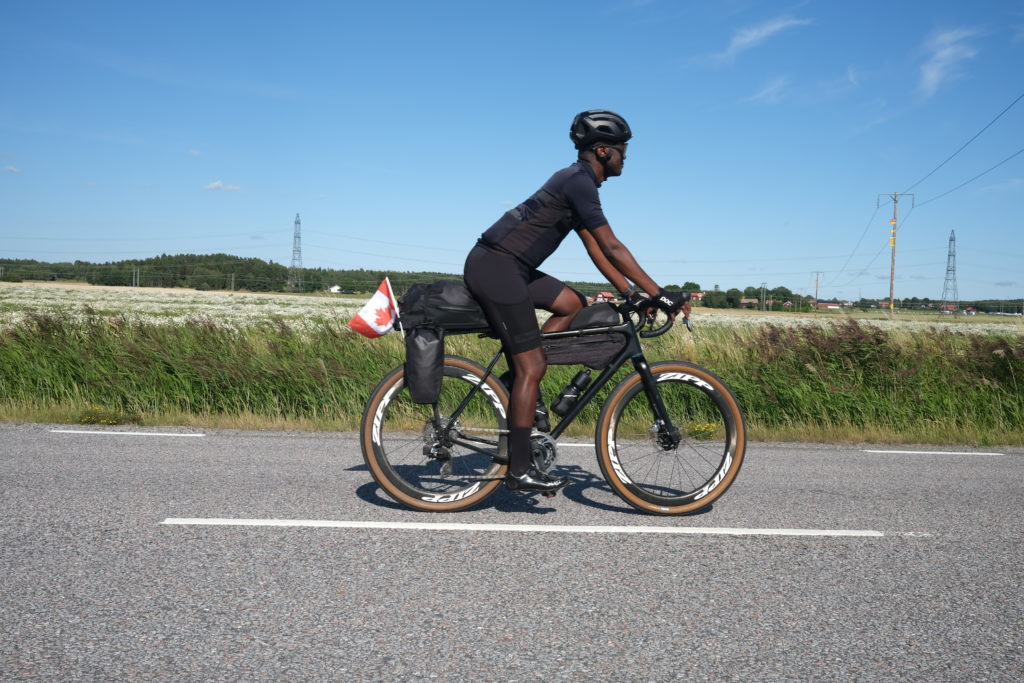
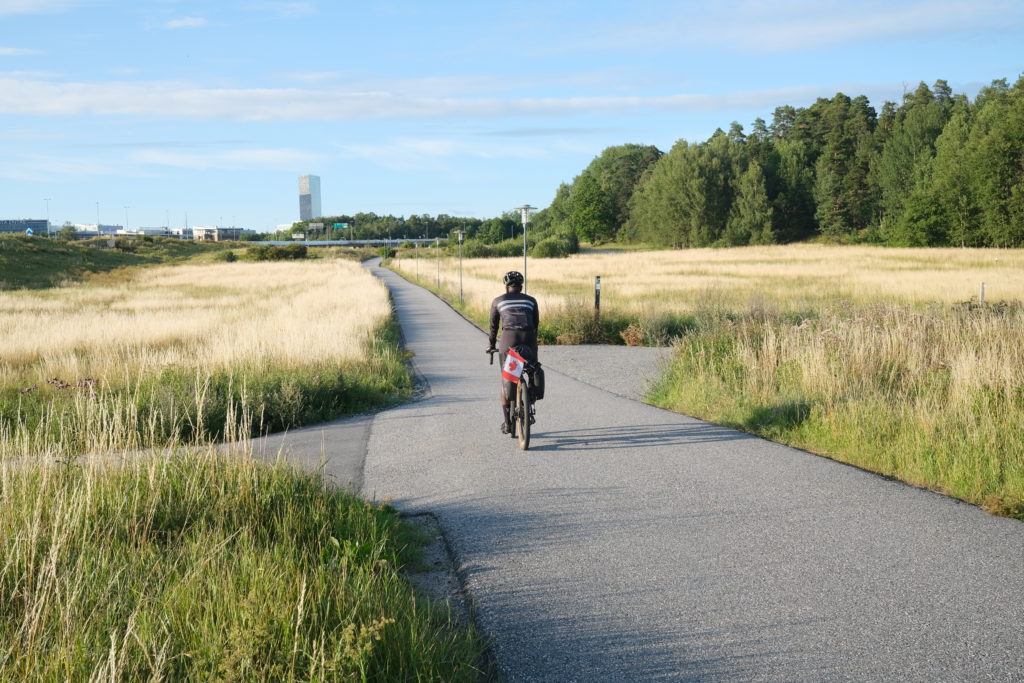
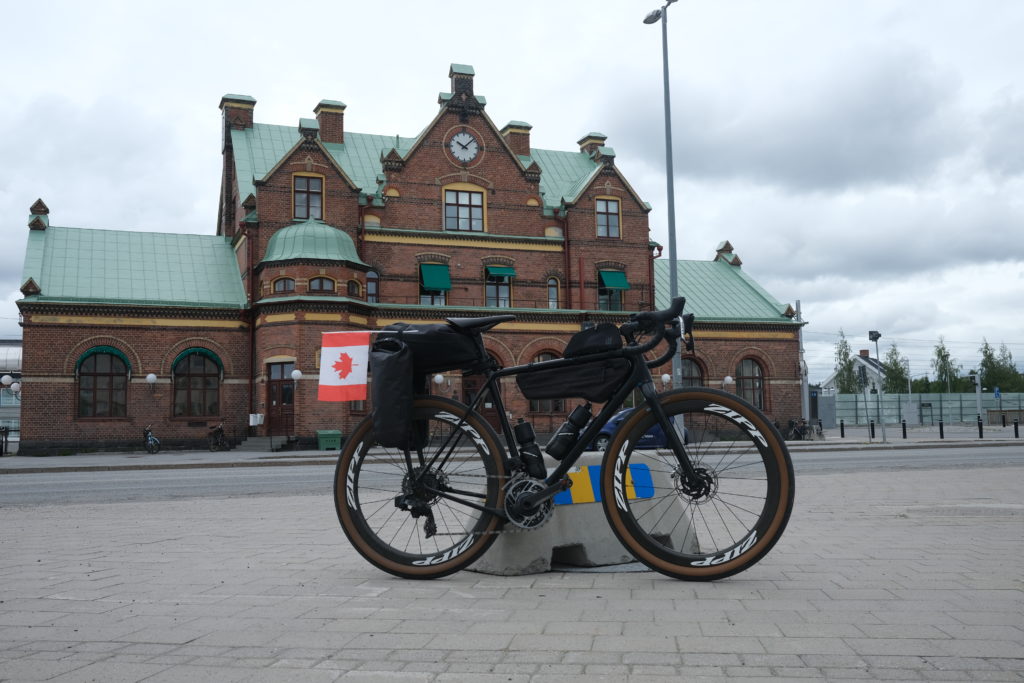
The journey from Stockholm to Amsterdam morphed from a bicycle ride across Europe, raising funds for World Bicycle Relief, into a train trip masquerading as a two-wheeled adventure.

In 2023, the weather north of Switzerland decided to be thoroughly dismal.

Barely moments after departing from Stockholm, Sweden, I was caught in a downpour that drenched me completely.

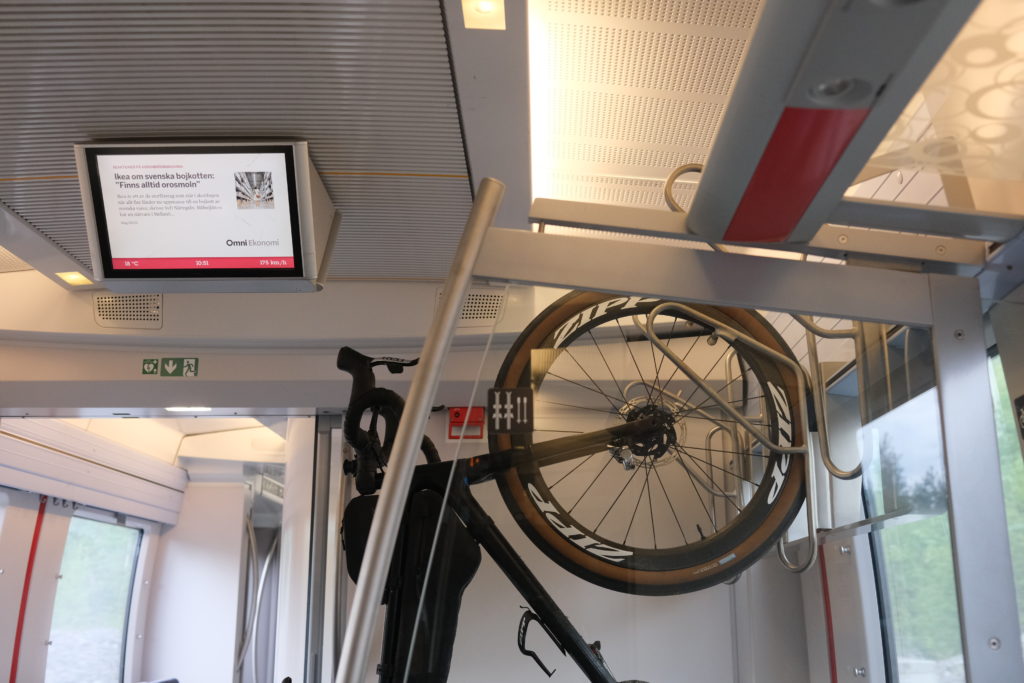
For the ensuing two weeks, wind and rain vied to outdo each other in dampening my spirits. My only recourse was to curtail daily distances and resort to train journeys to leap ahead when conditions were not just abysmal but downright perilous.

By the time I touched down in Amsterdam, my odometer registered just 1800 km, falling significantly short of the 2500 km I had initially intended to cover by pedal power alone. Numerous train rides resulted in an inflated expense account.

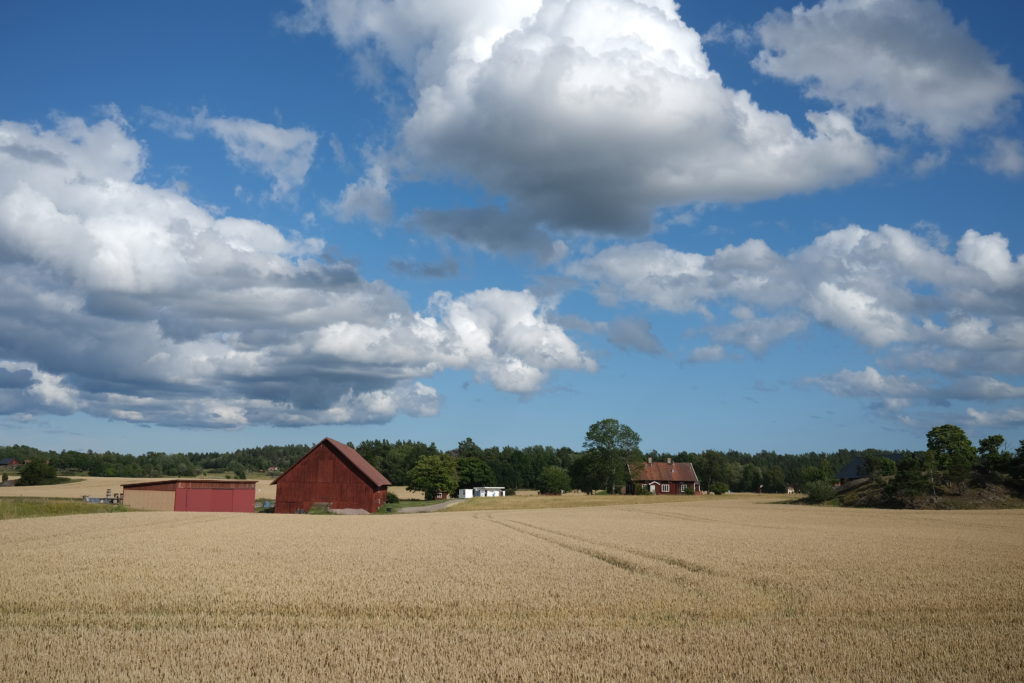
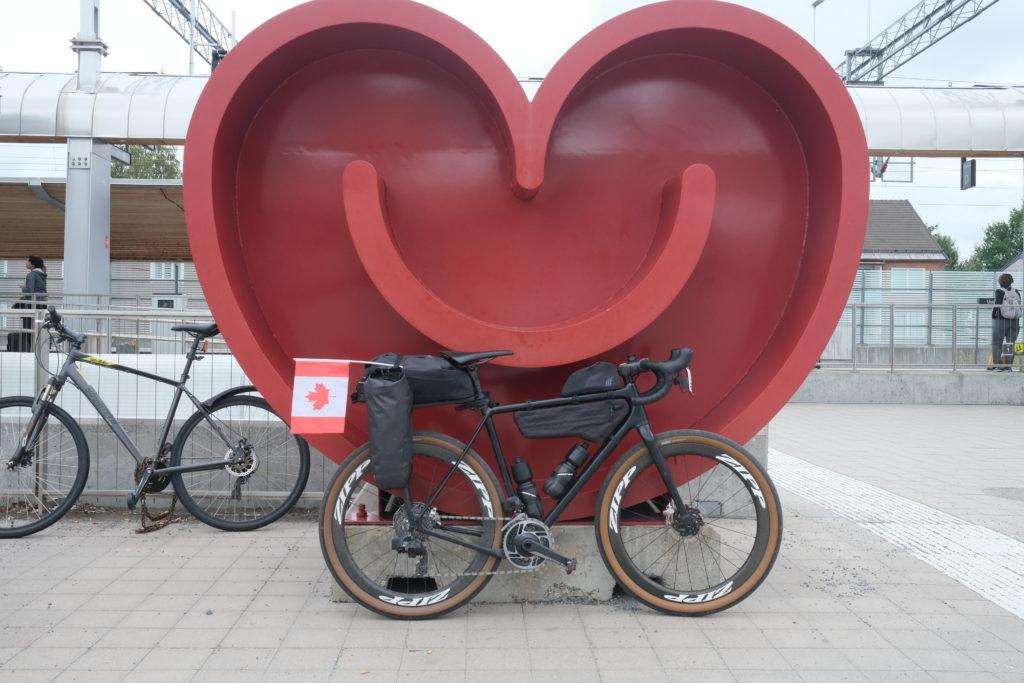
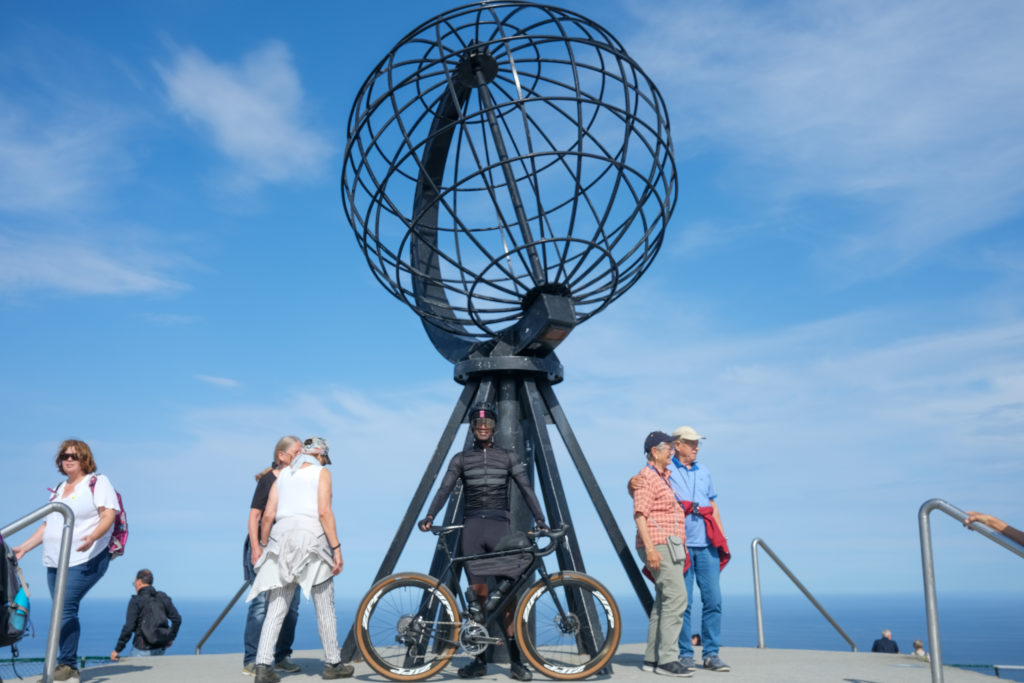
Now in the Netherlands, I am left contemplating my next move, as the weather insists on taking a turn for the worse! By the way, most of the photos above only depict the few days when it was sunny. Obviously I was not going to take photos in the pouring rain and run the risk of ruining my camera!

{ 0 comments }

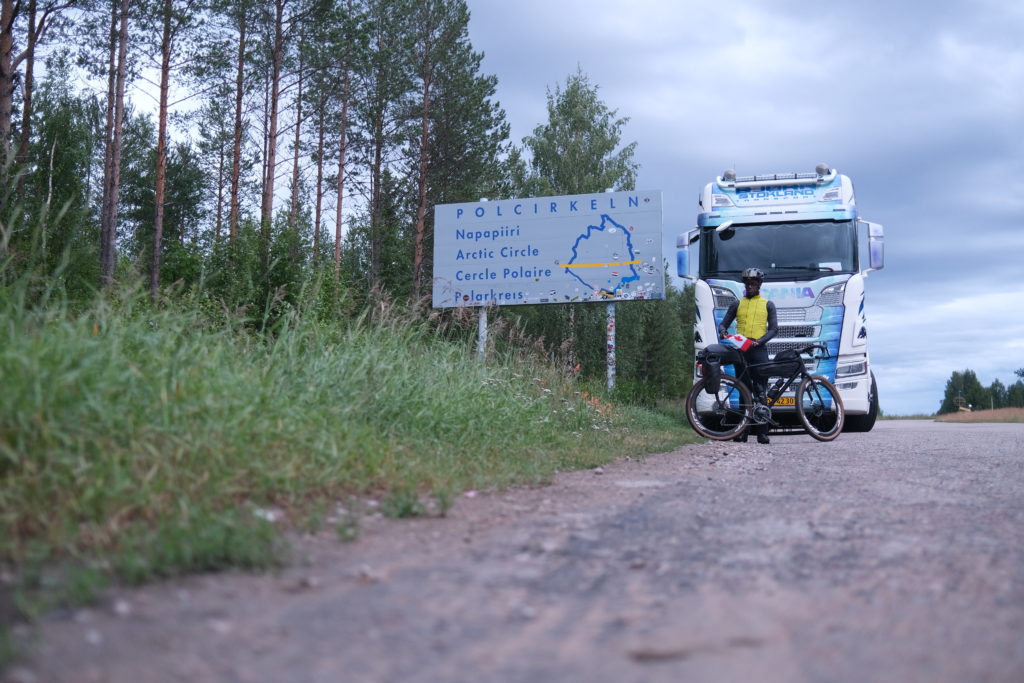
Cycling The Arctic Circle

The first week of my ride across Europe to raise funds for World Bicycle Relief proved rather epic. To use such a cliché may raise eyebrows but I assure you, my legs and lungs will corroborate this assertion within this post.

With my initial ride completed, I felt buoyant and ready for whatever lay ahead. Or at least, that’s what I believed.

If you recall, I mentioned that the first ride was a lengthy journey consuming both day and night which didn’t overly concern me given the phenomenon of the midnight sun. This is when the sun never fully sets for several days each summer, north of the Arctic Circle.

The goal was to reach the Baltic Sea as swiftly as possible since I was already nine days behind due to unforeseen issues that delayed the trip’s onset. But such is life.

During the subsequent four days, I embarked on some monumental rides, including a 320 km journey, succeeded by a 274 km one. These left me thoroughly exhausted yet brimming with a sense of accomplishment.

It’s worth noting that the majority of these rides were marred by headwinds and rain, rendering them quite miserable. But again, such is life. That week was so intense that I lost 4 kilograms which completely caught me off guard.

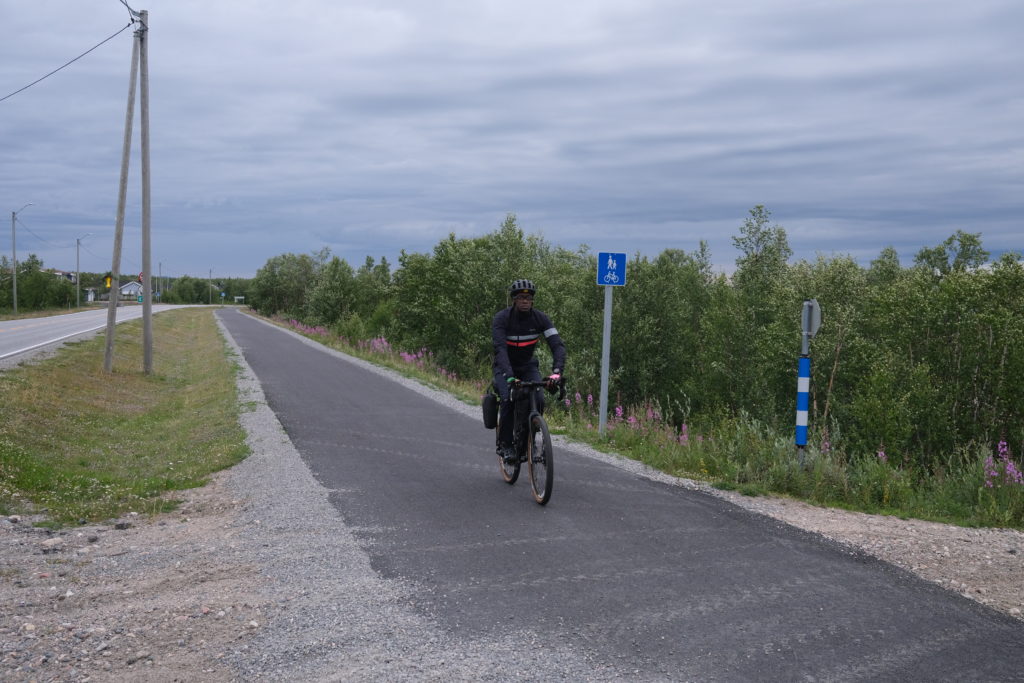
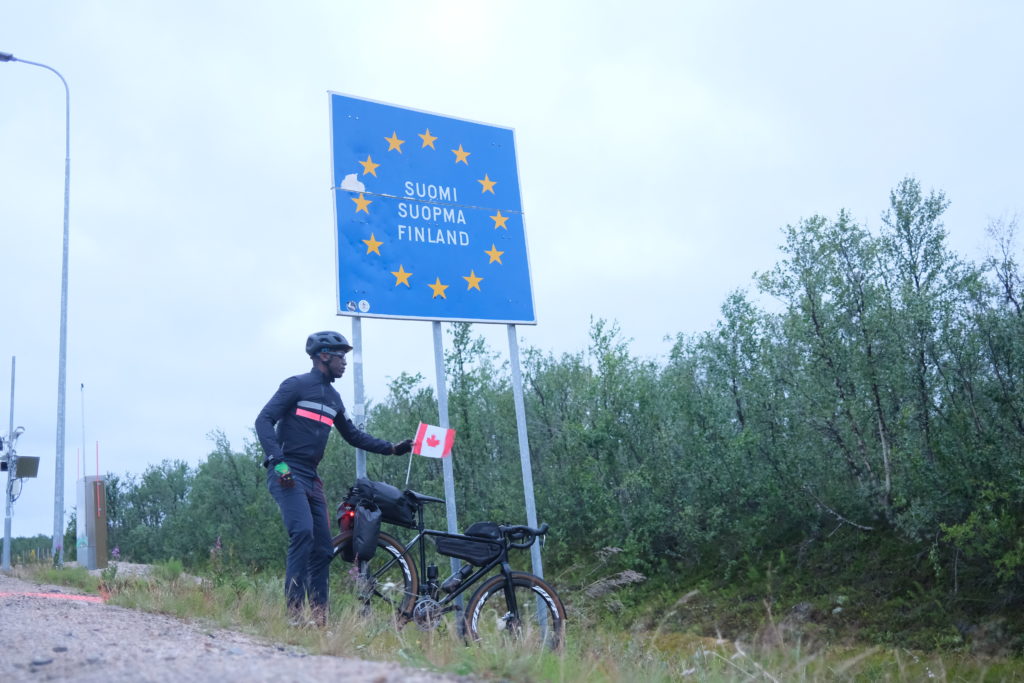
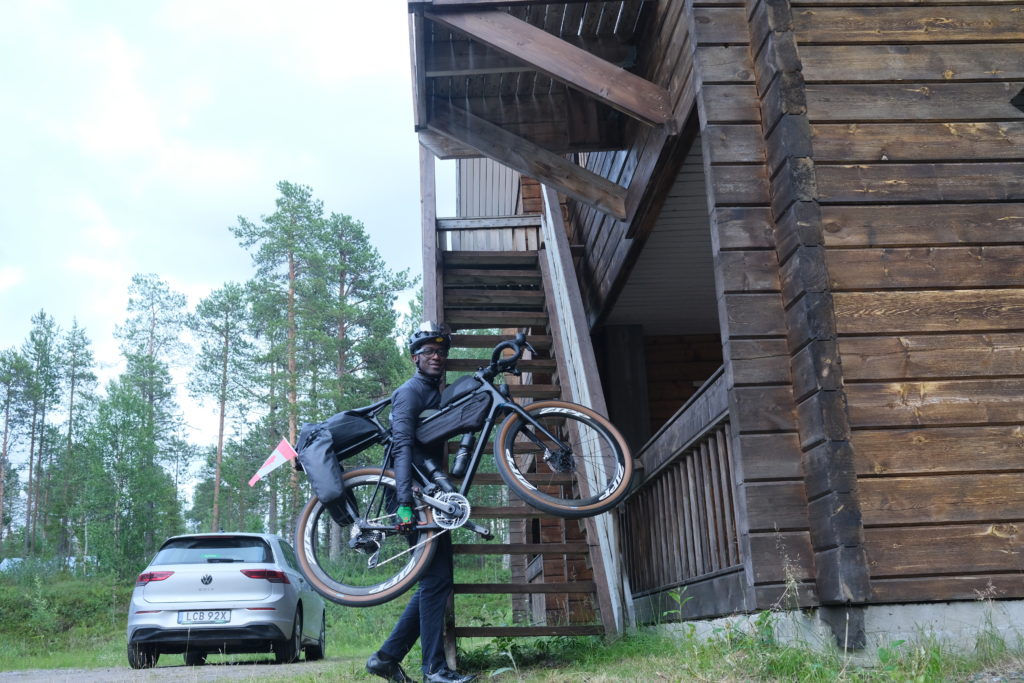
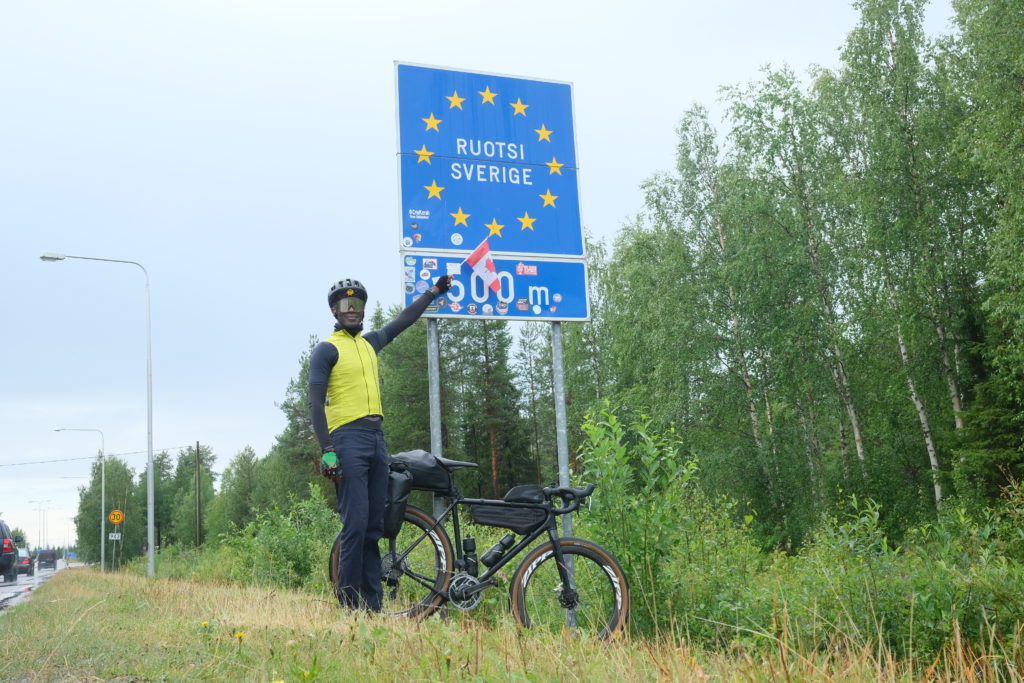
I crossed the Finnish border and two days later, the Swedish one. Upon reaching the Baltic Sea, I took a train to a city near Stockholm to make up for four days of riding. After all, the Arctic Circle was the Northern Europe highlight I didn’t want to miss.

{ 0 comments }

Naturally, the first ride of a three-month bike adventure across Europe to raise funds for World Bicycle Relief had to kick off with a bang.

Long distance? Da!

Headwinds? Absolutely

Hills upon hills? Mais bien sûr!

Halfway food and water supplies exhausted? Natürlich

Sleep in the last 48 hours? A lousy 5 hours

And my current mood after all that? Unfazed and chuffed because I smashed it on the first stage.

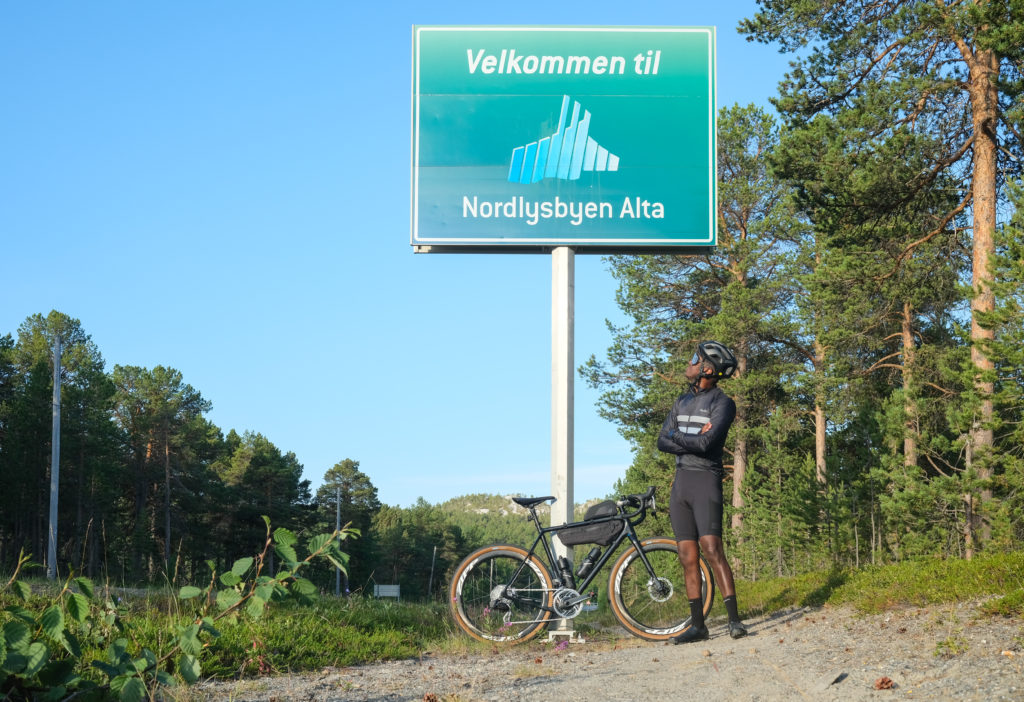
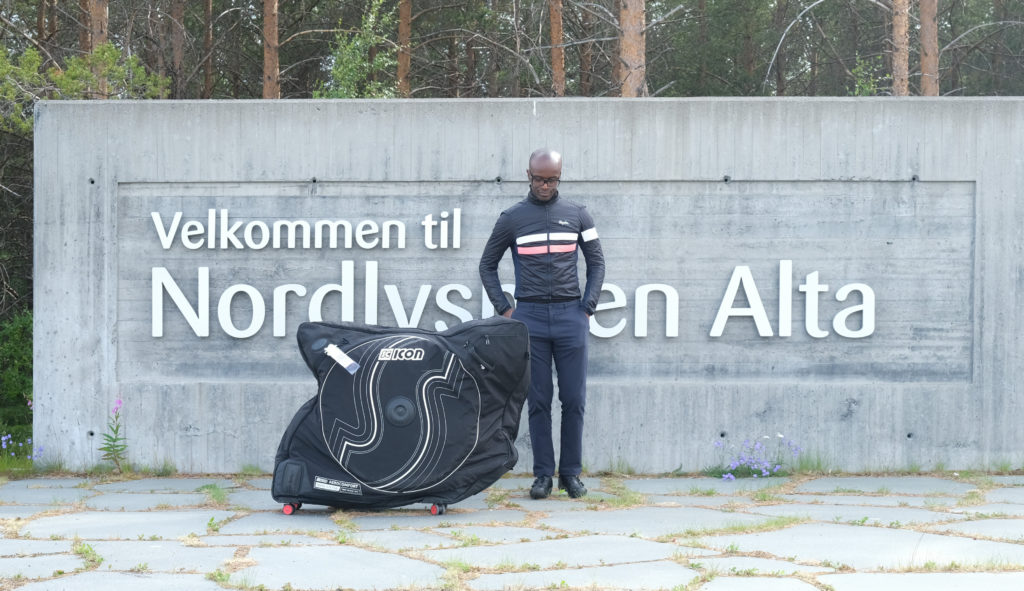
Things were dragging in Amsterdam where I was hunkered down trying to nail down my trip. But nothing was falling into place and I knew it never would. So there I was, sat in a café, booked a flight to Alta, Norway that was set to leave four hours later even though it was a 19-hour journey!

By the time I showed up in Alta, I was exhausted but I had another four-hour bus ride to catch to North Cape, my starting point. So by the time I got there and fired up my Wahoo GPS unit it was midday.

I knew I was flirting with fire or a proper blaze to be honest when I already felt knackered before even turning the pedals for the first time. However as they say, time waits for no one so best to zip it and get pedalling.

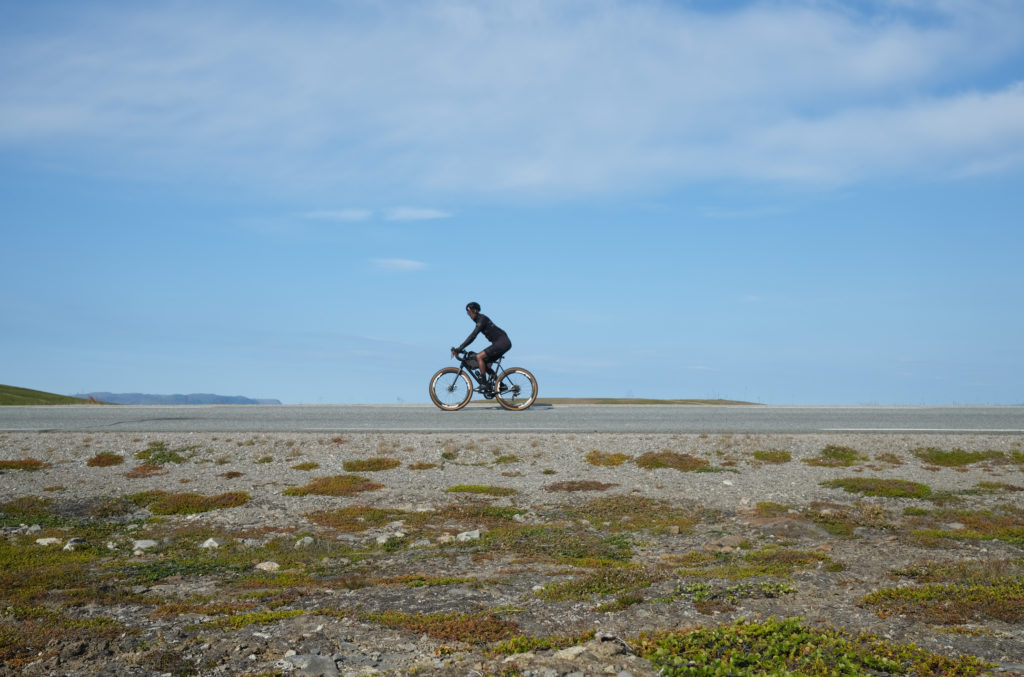
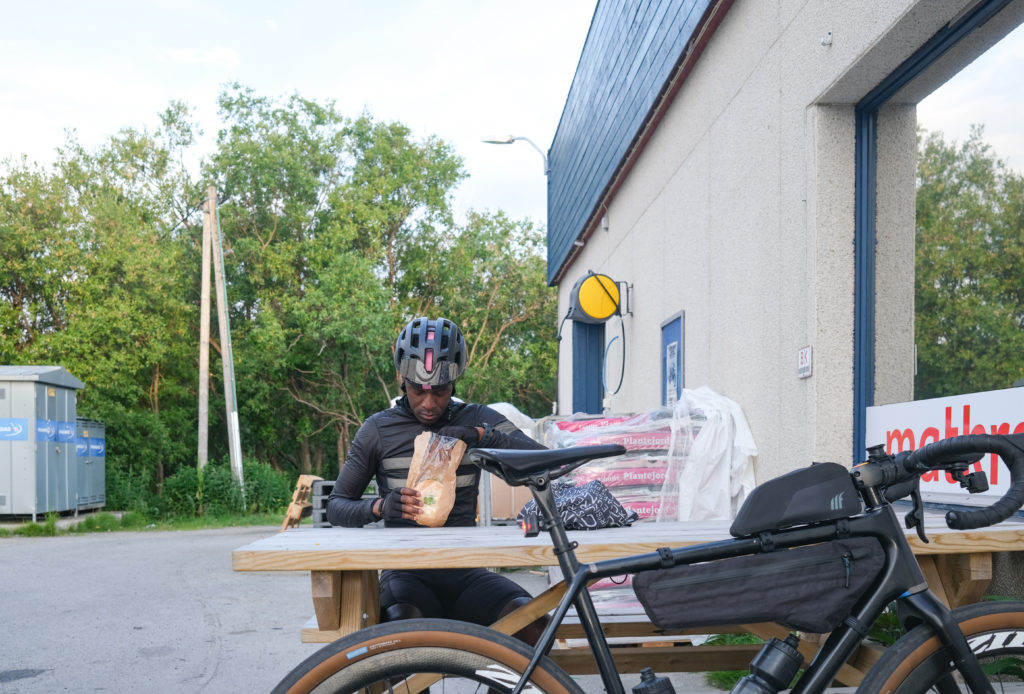
Out of caution, I splashed out on two extortionate salmon and smoked beef bagels, filled my bidons at the starting point’s visitor centre and headed to Alta (my bike looks light because I left my gear there for efficiency).

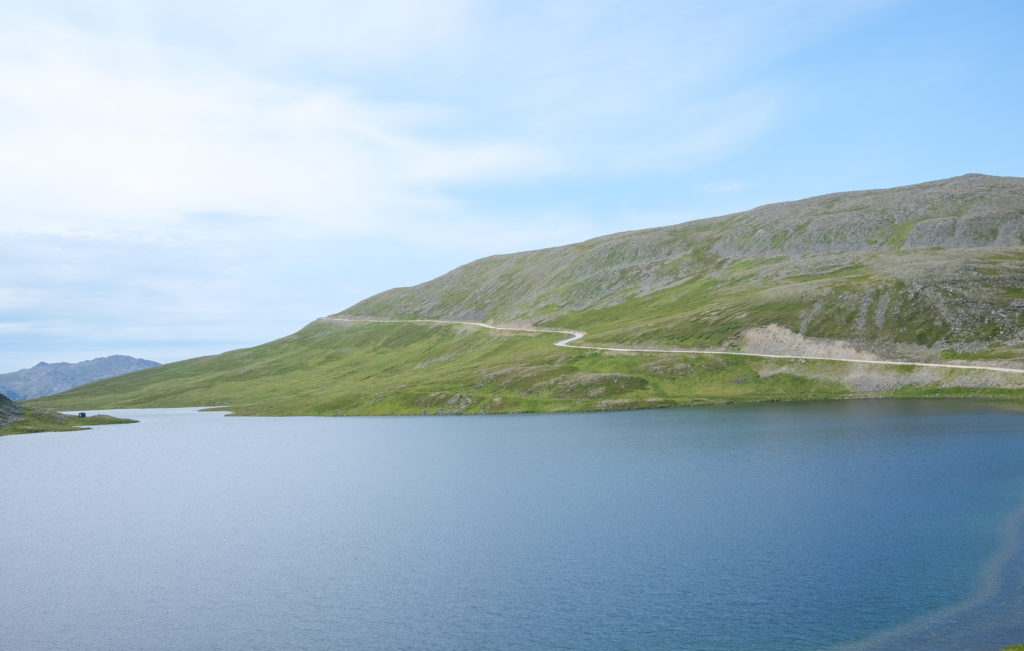
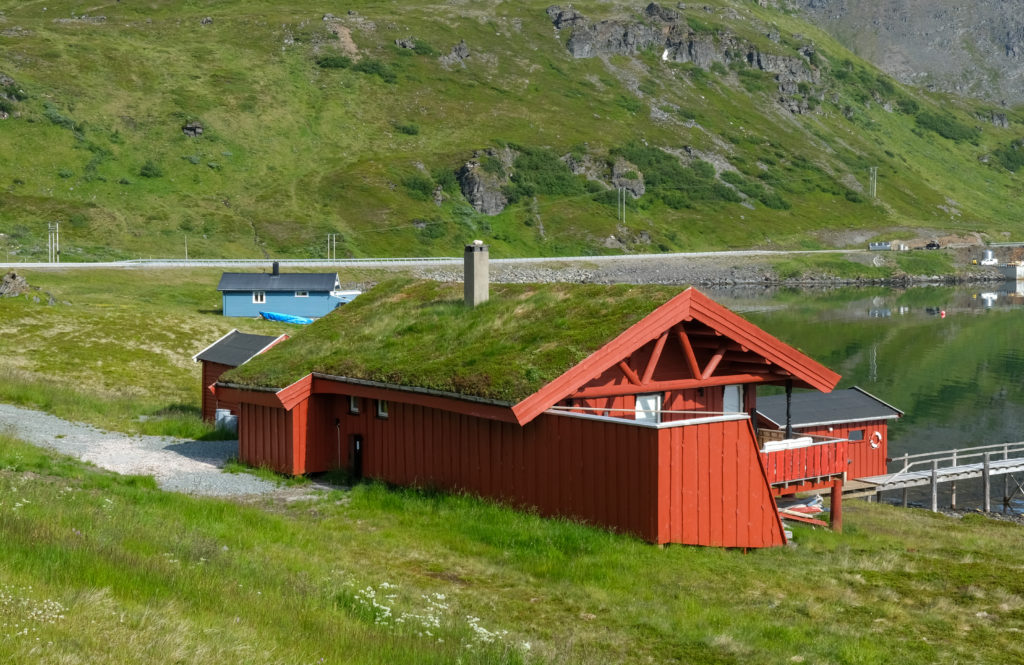
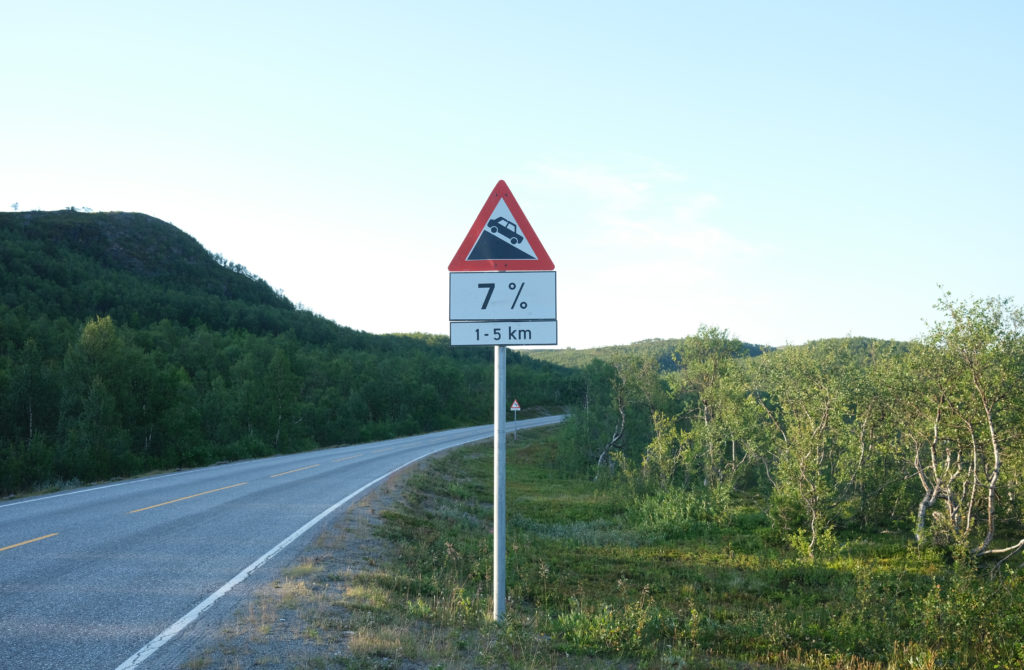
I shot down one massive hill and before I could even shift gears properly, a 6% gradient was waiting for me and that was how the rest of my very loooooong day went. But the never-ending day is actually what saved my skin because… it’s summer in the Arctic Circle so the sun doesn’t set. Not one bit.

So I rode from noon to 6:40 the following morning in broad daylight. The winds and hills wore me down but didn’t dampen my spirits which matters the most. I ran out of food because of a tactical blunder as I forgot that in this remote part of the world, petrol stations aren’t 24 hours.

To keep from bonking, I enacted the “pole pole protocol”. It’s my strategy for when I am running out of water and food – ride slow and cut my power output to basically burn energy at a slow rate. That’s what I did for the last 120 km!

If you’re still scratching your head, think about this protocol like how you put your phone on battery-saving mode when you’re out of juice.

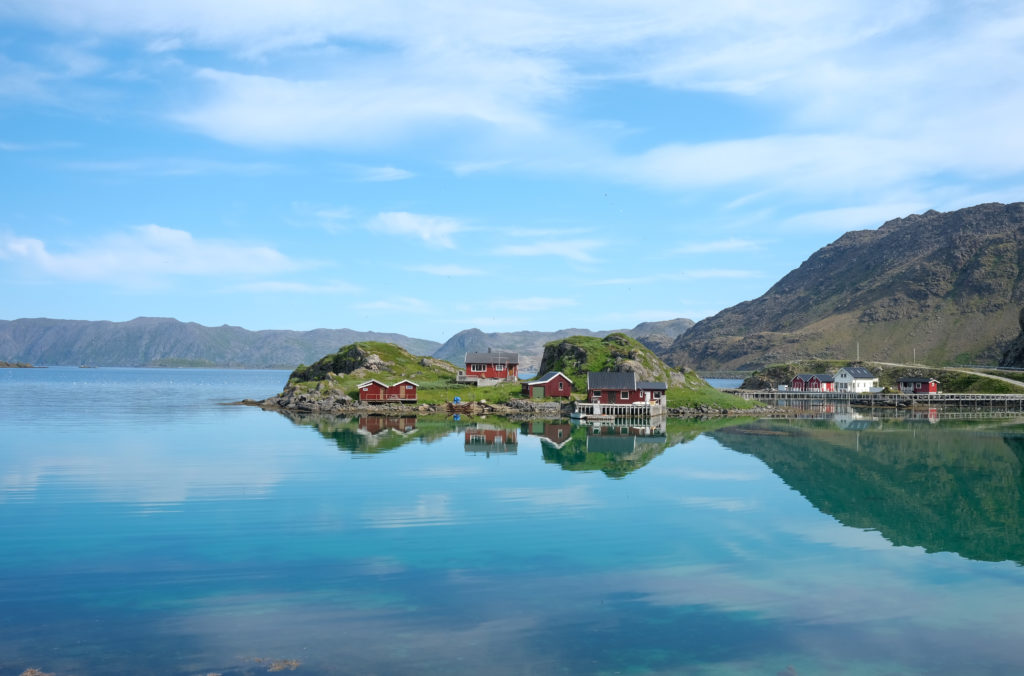
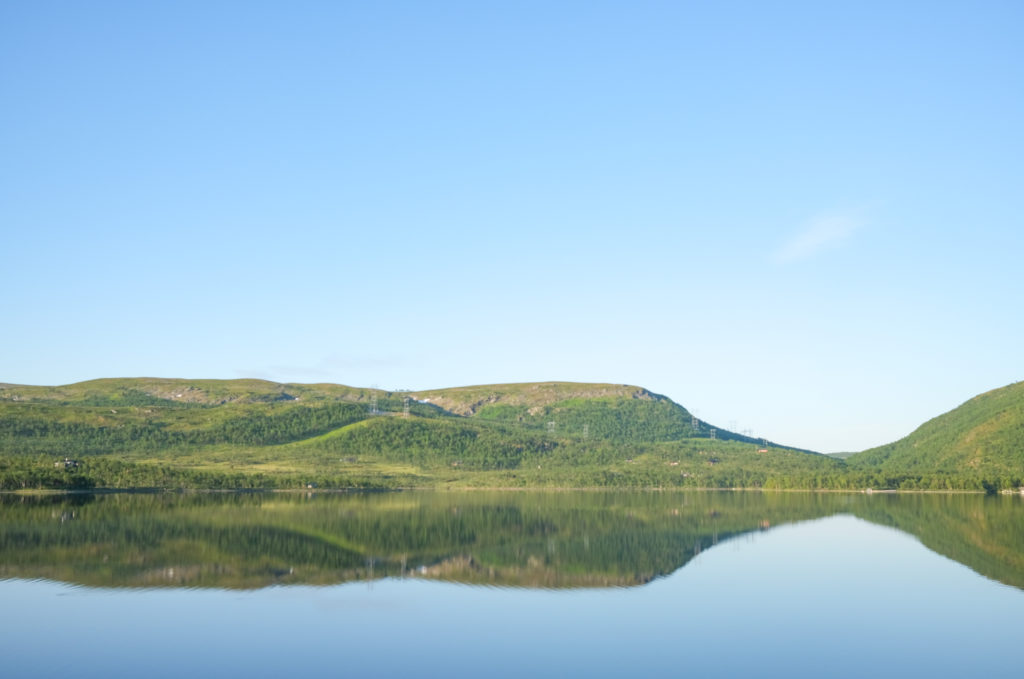
I pedalled through the night which was actually all day. It was a wild sight to see the sun making its round in the sky without setting for even a second. Sure, some places darkened but that’s because the mountains were throwing shade and that’s about it.

Temperatures dipped and I wasn’t properly dressed because I didn’t think about it. Those hills actually came in handy as they kept me warm on the climbs and I descended a tad slower than usual to dodge the windchill.

The roads were peaceful as everyone was asleep so I had them to myself. Or should I say, had it to myself since there’s just one.

I arrived in Alta at 06:40, utterly dehydrated but surprisingly not hungry, as I can get by on little food. I went to the only spot open in town, a petrol station (the city ones are 24 hours, not the ones out there) and downed a bottle of juice for sugar and liquids and chowed a box of biscuits while waiting for a friend.

Last month in Kenya, I met a now-friend on the Savanna Cycling safari who heard about my trip and mentioned that if I was interested, he knew someone living at my starting point in the Arctic Circle. Talk about an unbelievable coincidence!

(I’m a professional DJ, so a fan from there also got in touch. Small world!)

So this new friend´s friend came to pick me up to fetch my bags from storage and took me to her place. In the car, I blacked out, woke up at her’s, met her partner, slept for two hours, woke up, had lunch with them, then it was back to sleep for another couple of hours.

As I’m waking up and writing this, I’m off to catch more sleep to prepare for another long ride tomorrow – another day in the saddle where the sun doesn’t set!

My North Cape-Alta leg was 240 km, 2161 metres of elevation and took nearly 19 hours.

I’ve got to say, I got through it all thanks to the never-setting sun. That’s why I decided to kick off with such a ride in the first place. Riding in the dark would’ve been pure torture and doing it half asleep would’ve been proper risky.

There were a few motels along the way so I could’ve booked one if the sun did decide to hit the hay.

Some observations: the area and the road were far from deserted as I had feared. It’s quite populated! In case of an emergency, you could always knock on someone’s door.

I spotted loads of Teslas. It blew my mind as well as seeing so many electric cars. I was told it’s because they’re tax-free so an electric car costs half the price of its petrol-powered counterpart. That explains it all.

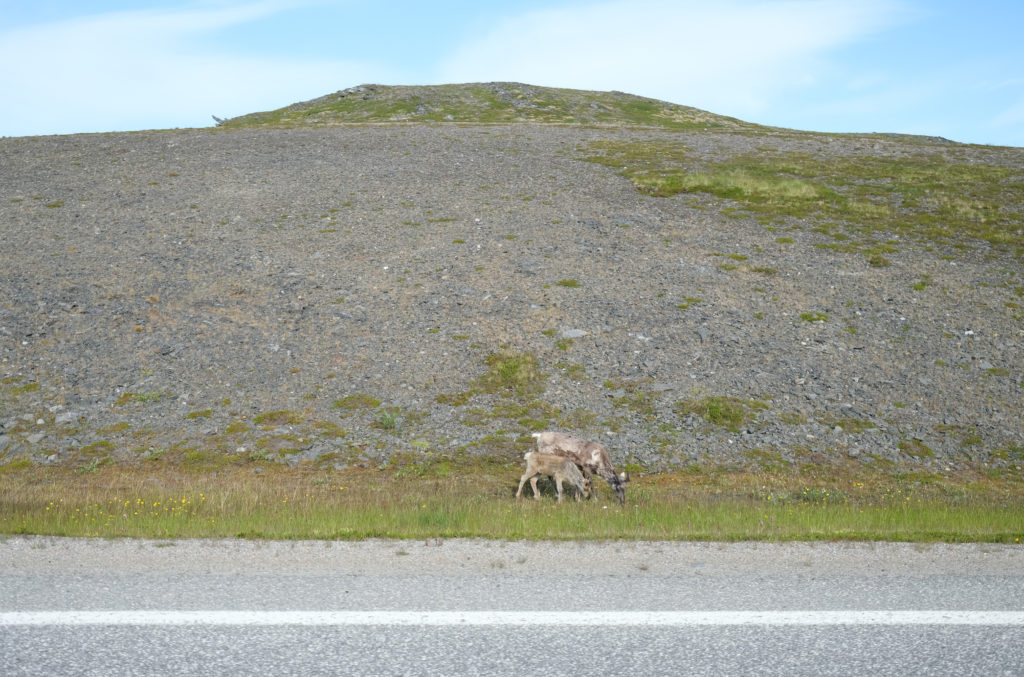
I’ve always wondered what reindeer looked like and when I saw them, I was a bit let down. The Christmas tales big them up too much. I thought they were wild but they’re actually livestock and owned by people even when you see them roaming about.

Today was the longest distance scheduled on my journey across Europe to raise funds for World Bicycle Relief and to see the world on two wheels. It was hard going but I managed. I hope it sets the tone for what’s to come.

I might not have been physically ready as my last ride over 130 km was more than a year ago when I was touring the United States but my spirit is still sound and strong. Therefore, mind over matter ruled the day and I’m thankful to The Creator for protection and favour wherever I go, even in the most remote corners of the globe.

This is a post by JaBig, a Canadian DJ who is (as of this writing) cycling across Europe from North Cape, Norway to Tarifa to raise funds for World Bicycle Relief, in addition to embarking on a dream adventure of a lifetime. 

You can donate directly to World Bicycle Relief by clicking here or you can contribute towards his trip expenses by clicking here.

{ 0 comments }

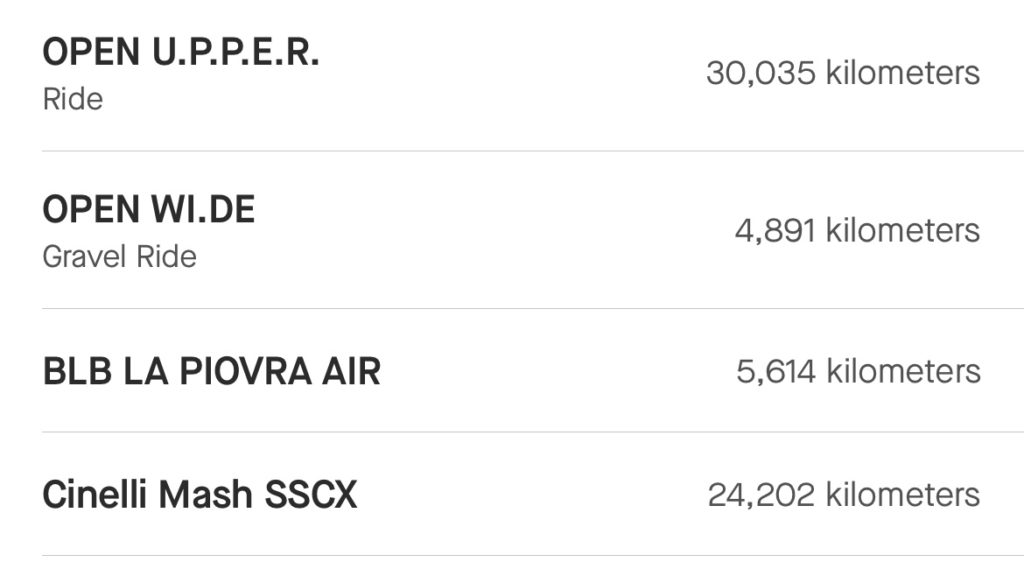
As I prepare to dip my tires into the Arctic Circle’s North Cape, Norway, I must acknowledge the 30 000 km milestone of my OPEN U.P.P.E.R..

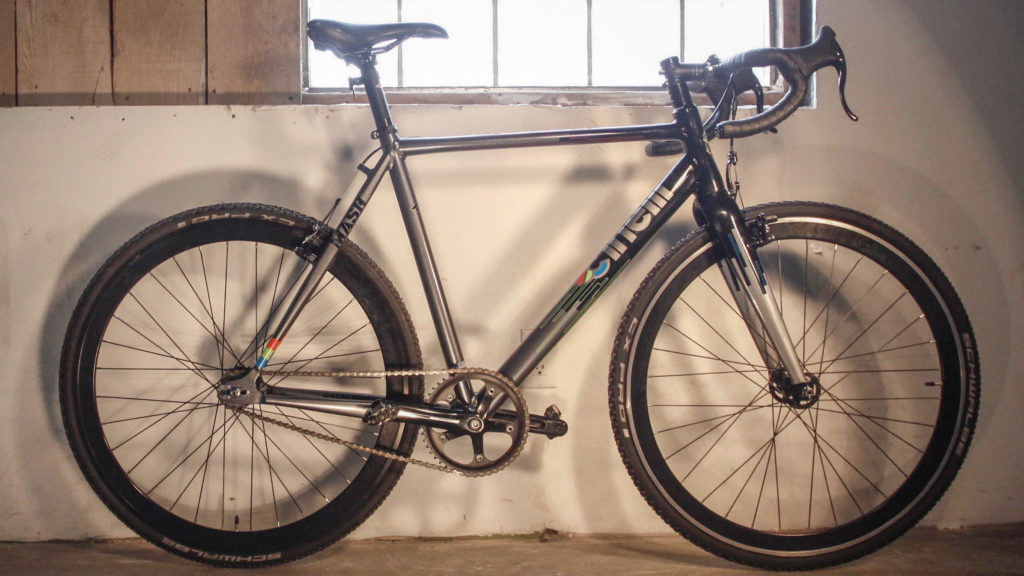
The story begins when, after cycling across Canada on a CinelliMash fixed-gear bicycle in winter 2017.

After the 15-month Guinness World Record-breaking extreme adventure, I realised it perhaps wasn’t the most efficient or effective choice for future adventures, especially given the toll on my knees and I how I would end robbing myself of scenic routes because they were too steep to climb on one gear. 

I had never ridden a road bike with gears before so I undertook an Internet journey to find the ideal frame that would closely resemble my fixie’s in lightness, offering endurance geometry and the ability to accommodate wider wheels – something I appreciated even before discovering the wonderful René Herse world.

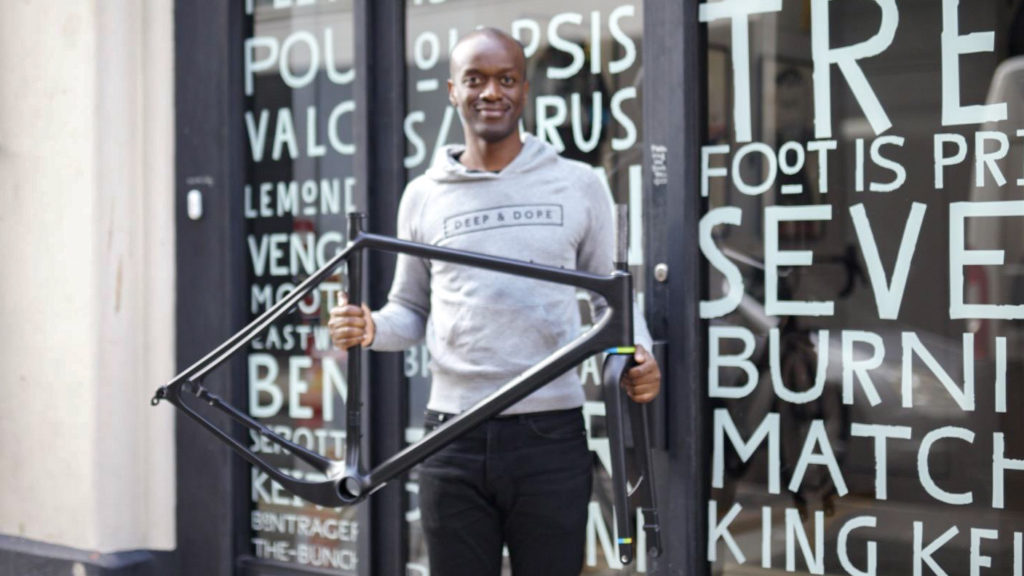
Google suggested a plethora of brands however one in particular piqued my interest. The attraction wasn’t solely because of the stealth matte black frame that satisfied all my criteria and beyond (such as running two different wheel sizes) but also the brand’s story: two immensely experienced cycling industry veterans who left behind the politics and antics of that world to do their own thing – something I could resonate with from my atypical DJ career and adventurous endeavours. 

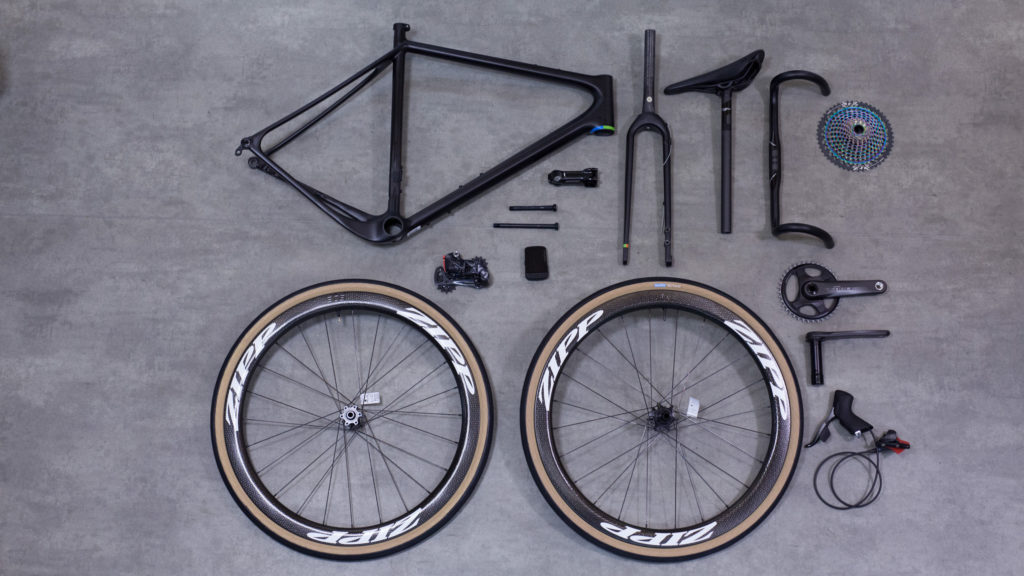
Little did I know that this frame would OPEN (accidental pun which will stay!) a whole new world to me. Although the founders were outsiders, they wielded – and continue to do so – substantial influence. Before I knew it, thanks to Ute and Alex who presented my case, my frame was equipped with the world’s finest components, including SRAM drivetrain, Zipp wheels, René Herse tyres, Brooks England saddle and bar tape, as well as a Wahoo Roam navigation computer. All of these were built to my specifications by one of the world’s most renowned bike fitters, Cyclefit in the UK.

This bicycle has taken me on countless adventures, all of which also served as fundraisers for World Bicycle Relief.

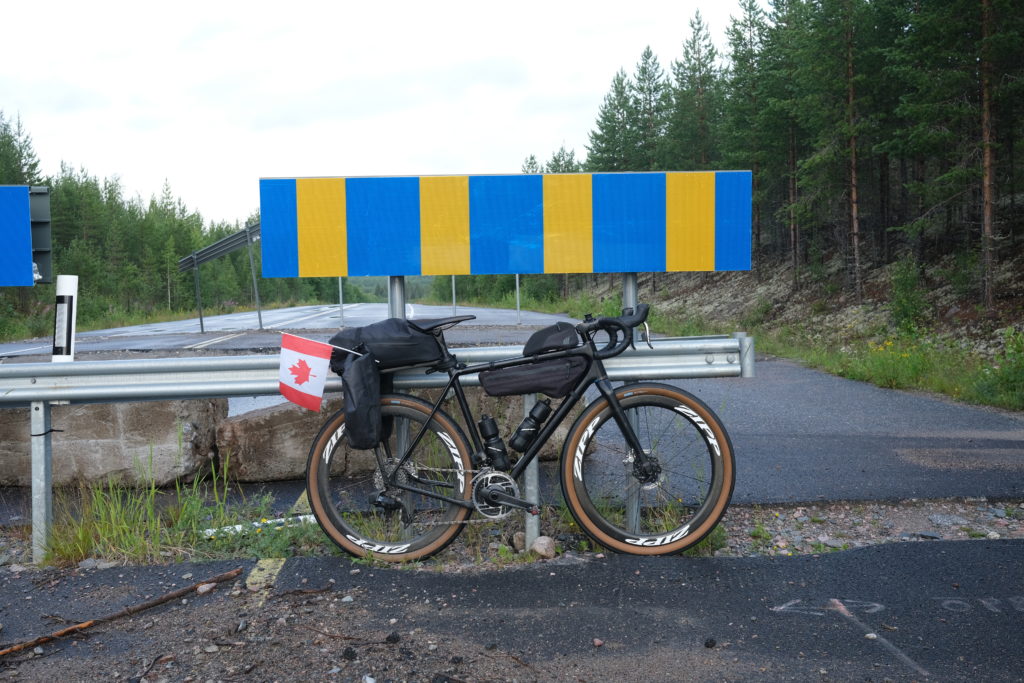
Arguably one of the world’s most well-travelled bicycles, it has journeyed across the UK, Netherlands, Belgium, parts of France, Switzerland, Canada on my second trip, around the USA and is soon to traverse 12 additional countries in this European epic!

Every single component has been updated or upgraded since its acquisition in Autumn 2019 and as of this writing in Summer 2023, it remains resilient.

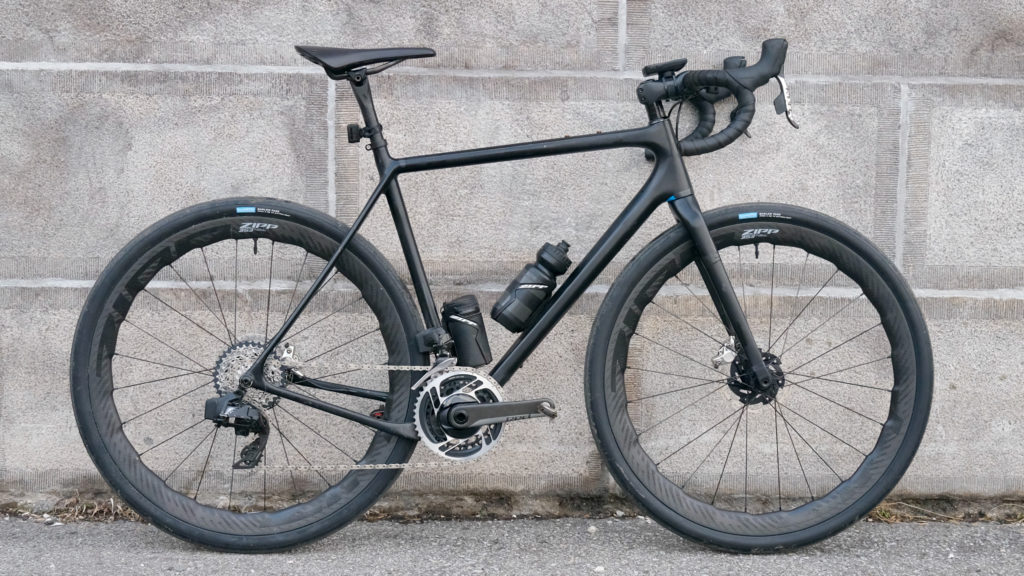
It transformed from a 1x SRAM Force eTap with the classic Zipp 700c Firecrest 303, to a 2x SRAM Force Wide eTap with the then newly launched 303 models, to a 2x SRAM Red eTap. It was recently fitted with 353 Zipp wheels for climbing and endurance rides before being equipped with 650B Firecrest to morph into a fantastic touring bike.

The U.P.P.E.R. has deservedly been crowned the “most versatile bicycle frame” by GrandFondo Magazine and my various builds over the years are testament to that.

Thanks to this OPEN U.P.P.E.R., I’ve encountered so many individuals over the 30 000 km who either own one or are enthusiasts of the model. I’ve even had mechanics keen to service it, having never seen one before.

I’m not one to waffle on about bikes, am I? Yet I never cease to be astonished by what this bike can do and where it takes me. 

For instance, a few months ago I was navigating harsh gravel in Kenya’s Maasai Mara on 650B wheels which to be honest should have been done on mountain bike, whereas months earlier I was ploughing through snow-laden roads in Canada and climbing Vancouver’s Triple Triple Crowns on lightweight 700C wheels.

When I let people try it out, they’re astounded by how such a bike can be so comfortable yet incredibly agile with wider than average tyres.

My endless admiration for it has intrigued so many people that I can name six off the top of my head who are now proud owners of either the OPEN U.P. or U.P.P.E.R. I’m sure there are more out there who have probably been “influenced” by my passion for the bike and the brand.

Personally, I dream of a day when I could own a fleet and share the open roads and unbeaten paths with friends and fans from all corners of the globe. 

Were I a multi-millionaire, everyone dear to me who rides bikes would receive one, configured exactly the same way, because this bike is one to own, one that will not only outlive its owner, but will always hold a special place in their heart.


If you doubt me, ask those who own them, or even better, those who once did and thought the grass might be greener on the other side. They’re now living with regret, although it’s merely a matter of returning home!

Over the next three months, I’ll add about 7,500 km to that frame as I explore and experience Europe on a dream ride of a lifetime. This journey is also a fundraiser and will include a stop in the company’s city, where a group of OPEN riders will roll alongside me for a day to raise funds for World Bicycle Relief.

It may sound peculiar to thank a material object, but I am genuinely grateful for my bike and the many adventures it has facilitated thus far. I eagerly anticipate the memories we’ll create over the next 30,000 km.

This is a post by JaBig, a Canadian DJ who is (as of this writing) about to cycle across Europe from North Cape, Norway to Tarifa to raise funds for World Bicycle Relief, in addition to embarking on a dream adventure of a lifetime. 

You can donate directly to World Bicycle Relief by clicking here or you can contribute towards his trip expenses by clicking here.

{ 0 comments }

In an earlier post, I shared how I don’t camp during my cycling adventures and outlined a series of reasons all highly personal and likely not relevant to many. There are those who relish the opportunity to spend the night beneath the stars viewing it as a significant component of their bike touring experience.

Several readers joined in the conversation, sharing their similar insights or explaining why camping holds its unique appeal for them. 

A couple voiced their wish to follow suit, noting that traversing a country or continent by bicycle and choosing to stay in hotels each night must come at quite a steep cost.

This brings us to the topic of today’s blog post. 

I never stated that I opt for hotels or other forms of paid accommodation such as Airbnb, motels, hostels or B&Bs EVERY single night! 

In truth, this would be an incredibly costly manner in which to explore the world on two wheels and my budget is not so lavish that I could afford it, even in my wildest fantasies. 

Let’s set the record straight. Choosing to camp doesn’t automatically equate to a cost-free endeavour. There are numerous parts of the globe where cyclotourists can’t simply pitch a tent and declare the day done but must check into assigned areas that require a fee. 

Some adventurous souls will test their luck and attempt to “wild camp” outside of designated campsites, an act that may be free or charged and that comes with its own array of logistical complications. 

In my case, choosing to sleep indoors doesn’t necessarily mean footing the bill every time. 

If I were to estimate, I’d say that only about 20% of my nights are spent in establishments where payment is necessary. 

In these instances, my first choice is Airbnb due to its affordability and flexible hosts (not to mention the often essential laundry facilities) and I resort to hotels, motels and B&Bs when there are no available Airbnbs. This is particularly the case in less populated regions or in areas where Airbnb is prohibited, like in the Northern part of my impending trip across Europe.

Many readers have noticed that I have a GoFundMe page set up to help me cover this inevitable part of the expedition. If you support my music, adventures, writings and/or charitable mission, a contribution will be more than appreciated.

So how do I manage to secure free accommodation?

1) Family & Friends

I have connections with people from various parts of the globe and fortunately, we’ve remained good friends. Therefore, when an adventure beckons, I reach out to them personally or announce my project on social media quickly filling up my accommodation slots. 

For example, during my upcoming European tour, I’ll be spending my nights in the homes of personal friends and extended family members in countries such as the Netherlands, the UK, France and Switzerland. I estimate this will account for about 50% of my stays.

The cool thing with this is that I also get to spend time with loved ones whom I have missed quite a lot!

2) Supporters

I don’t much care for the terms ‘fan’ or ‘follower’ as they imply a certain level of self-importance but they are perhaps the best terms to categorise this group of people. They don’t know me personally, but they enjoy and support what I bring to the table – in my case, my music (I’m a professional DJ with a YouTube channel with over 400 million streams of DJ mixes), my adventure stories shared via social media and this blog and my charity endeavours.

3) Warm Showers

There is a site called Warm Showers which consists of cyclists or friends of cyclists hosting travelling cyclists. It’s free, with the expectation that the favour will be returned by hosting cyclists once they finish their own journeys and return home.

This works similarly to CouchSurfing, if you’re familiar with that platform. They offer a map where people are listed, and you simply send a message introducing yourself. If they’re available, able and willing, you work out the details together. 

Some offer camping space, some offer a room, sofa or floor. Some provide food and laundry facilities while others offer accommodation only. But the most important part for me is to be indoors.

While most nights find me comfortably nestled in conventional bedrooms, there have been times where the accommodation was different. I’ve shared rooms with fellow travellers headed to the same destination. On one memorable occasion in California, I ended up on an inflatable mattress inside a volunteer firefighter’s garage – a night where I had to take care not to lean my bike against the emergency vehicle or block its path! There have been nights where I was cradled in a hammock in a solarium in Québec, bobbing gently on a boat on Lake Ontario, or cosily tucked in an RV or caravan in New Mexico. The variety is truly endless when it comes to finding a place to rest after a long day of cycling.

The real highlight, however, is getting to know my hosts. This is what I anticipate most as the majority of them have also been on remarkable bicycle adventures in various parts of the world. You can imagine how evenings are spent exchanging stories and comparing experiences! 

Warm Showers will account for roughly 30% of my forthcoming journey across Europe. 

If you subscribe to the principle of “what goes around comes around” then perhaps this is life returning the favour…

Since relocating to Montréal, Canada, I’ve played host to over 200 people. Many of them were personal friends however a significant number were complete strangers, connected to me in some way – friends of friends, relatives or associates. These guests ranged from newcomers to the city especially university students and tourists, to artists on tour and even entire families. In certain instances, I have even surrendered my entire flat to my guests, opting to temporarily bunk with my parents instead.

So, I’ve just outlined three ways I manage to avoid camping during my bicycle adventures while also evading the expense of paid accommodation. 

I must acknowledge that this system works for me thanks to my extensive personal and professional network and an adaptable personality. I understand that it might not be suitable for everyone. 

Moreover, my network often introduces me to their families and friends who live in cities or towns along my route. This leads to unexpected and wonderful connections and experiences. 

To end this post that’s becoming too long, the friendships, camaraderie and unforgettable memories created through these unique encounters represent the true spirit of MY cycling adventures. Each journey becomes more than just traversing geographical landscapes but a deeper exploration of human connections, shared stories and collective kindness. 

As I ride on, the balance between solitude on the saddle and the warmth of companionship at the end of the day contributes greatly to my mental wellbeing. It’s a symbiotic relationship of giving and receiving which makes the whole experience not just about the ride, but the journey and the people who become a part of it.

This is a post by JaBig, a Canadian DJ who is (as of this writing) about to cycle across Europe from North Cape, Norway to Tarifa to raise funds for World Bicycle Relief, in addition to embarking on a dream adventure of a lifetime. 

You can donate directly to World Bicycle Relief by clicking here or you can contribute towards his trip expenses by clicking here.

{ 0 comments }

As splendid as my Kenyan cycling safari with Savanna Cycling was, I must confess the ensuing fatigue was rather more substantial than I’d anticipated as it was supposed to be a holiday. 

Such fatigue is why I’ve found it necessary to postpone the commencement of my European adventure, a journey to raise funds for World Bicycle Relief, by over a week. Without this necessary respite, I fear I may falter whilst tackling the first leg: North Cape in Norway, to Stockholm, Sweden. This 1,823 kilometre (1,134 miles) section comprises several stages:

  1. North Cape, Norway – Alta, Norway: 236 km (147 miles)
  2. Rest Day
  3. Alta, Norway – Enontekiö, Finland: 212 km (132 miles)
  4. Enontekiö, Finland – Pajala, Sweden: 183 km (114 miles)
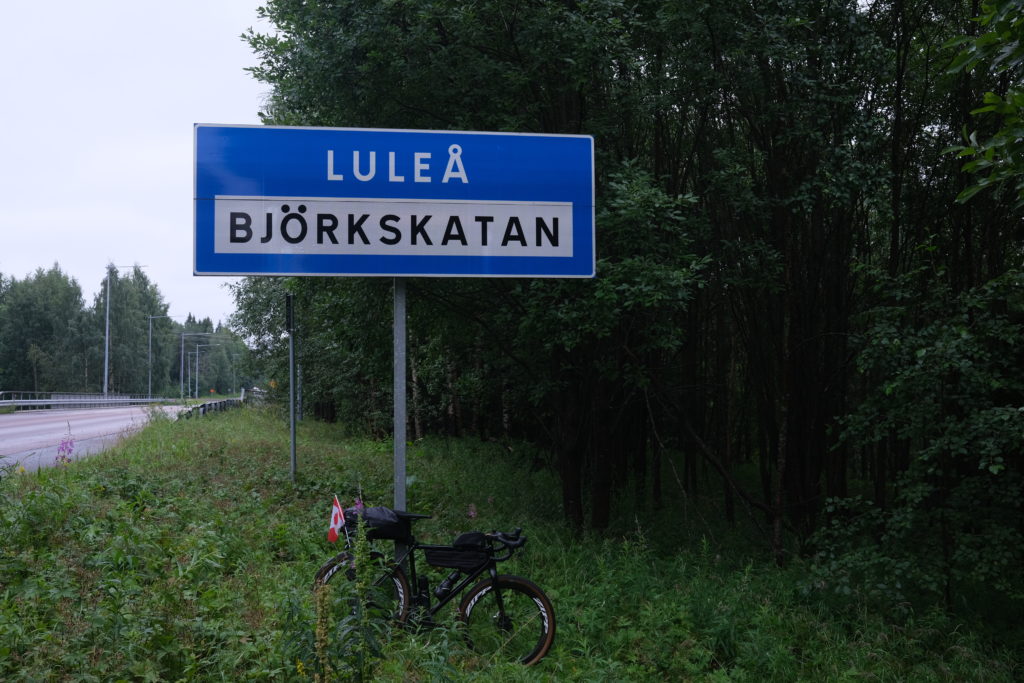
  5. Pajala, Sweden – Luleå, Sweden: 217 km (135 miles)
  6. Luleå, Sweden – Skellefteå, Sweden: 144 km (89 miles)
  7. Skellefteå, Sweden – Umeå, Sweden: 130 km (81 miles)
  8. Umeå, Sweden – Örnsköldsvik, Sweden: 120 km (75 miles)
  9. Örnsköldsvik, Sweden – Sundsvall, Sweden: 166 km (103 miles)
  10. Sundsvall, Sweden – Gävle, Sweden: 224 km (139 miles)
  11. Gävle, Sweden – Tierp, Sweden: 55 km (34 miles)
  12. Tierp, Sweden – Stockholm, Sweden: 136 km (85 miles)


Can you believe it? I only have a single day of rest between these challenging stages, as the rest must be cycled day after day, without break.

Physically, I am in fine shape for which I’m thankful to the gruelling rides across Kenya that have left me, hopefully, in peak condition. 

Yet it is the mental fatigue that truly taxes me. The relentless socialisation of my fortnight without any moment of solitude has utterly worn me out in unimaginable incredible ways. I find my thought processes cloudy and my ability to multitask, make decisions and remain alert compromised. These, one would agree, are crucial skills needed for a lengthy and adventurous three-month journey.

In long-distance cycling, it is the mind that leads and the body that follows. A robust mentality paired with relatively poor fitness can still carry one a good distance. Conversely, achieving the same with peak physical condition yet a feeble mentality is near impossible. It’s a mental game and a clear head is the key to victory.

I must confront winds, hills and other such challenges, and to do so successfully, I require a mind free from extraneous worries. This is why I choose to concentrate on clearing my mind in Amsterdam, rather than being compelled to do so amid the isolation of Northern Europe, far from familiar surroundings and cherished loved ones.

When I first planned my European adventure, I was aware I was toying with danger by scheduling it so soon after my cycling safari in Kenya. Not that I have a penchant for peril, but merely because flying to Canada post-Africa and then boarding another flight a week or two later to return to Europe seemed rather illogical. Therefore, clustering the dates seemed reasonable. However, I failed to appreciate the mental toll the African adventure would inflict upon my psyche. But we live and learn, don’t we?

A delay of a week, or perhaps a week and a half, in starting isn’t catastrophic, even if my brain vehemently objects. In my books, I’m very late, even though the start date is an arbitrary concept. What matters most is kicking off the journey and seeing it through to completion within 90 days due to Schengen Zone tourist visa rules.

So, how does one clear one’s head? 

Abundant sleep, a LOT of solitary time, whether that be sitting in parks or lounging about in my room, going over my plans and routes to assuage any anxiety linked to the unknown, nourishing my body and mind through proper food and drink, and diligently preparing logistics as best I can. 

All these actions will aid in soothing my mind and fostering a sense of readiness. From there, I will book a plane ticket to Amsterdam International Airport, fly to Alta, then board a bus the following morning to North Cape, Norway. There, I will dip my tires in the ocean and begin my southward journey until my wheels touch the waters of the Mediterranean three months later.

This is a blog by JaBig, a Canadian DJ who is (as of this writing) about to cycle across Europe from North Cape, Norway to Tarifa to raise funds for World Bicycle Relief, in addition to embarking on a dream adventure of a lifetime. 

You can donate directly to World Bicycle Relief by clicking here or you can contribute towards his trip expenses by clicking here.

{ 0 comments }