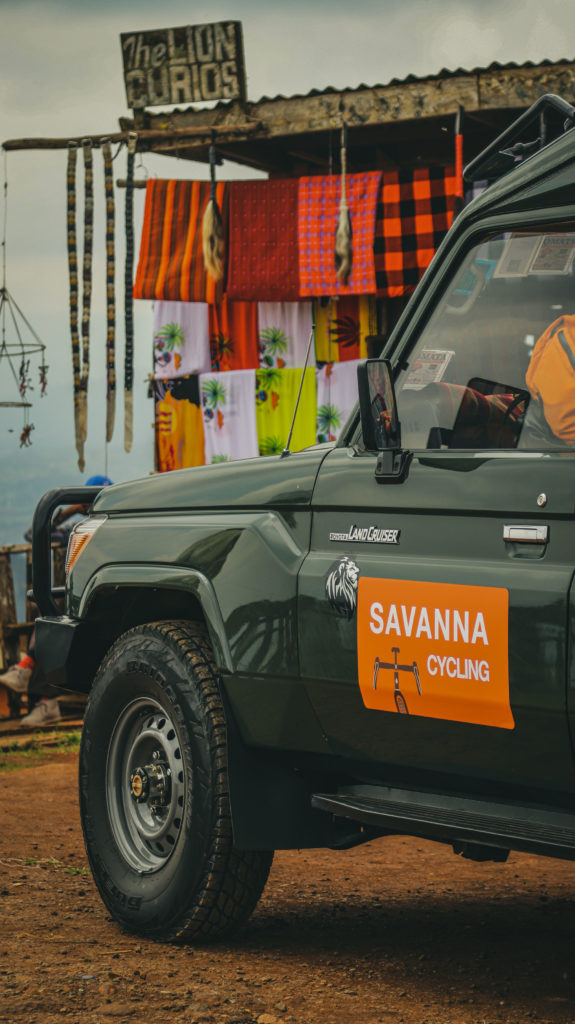
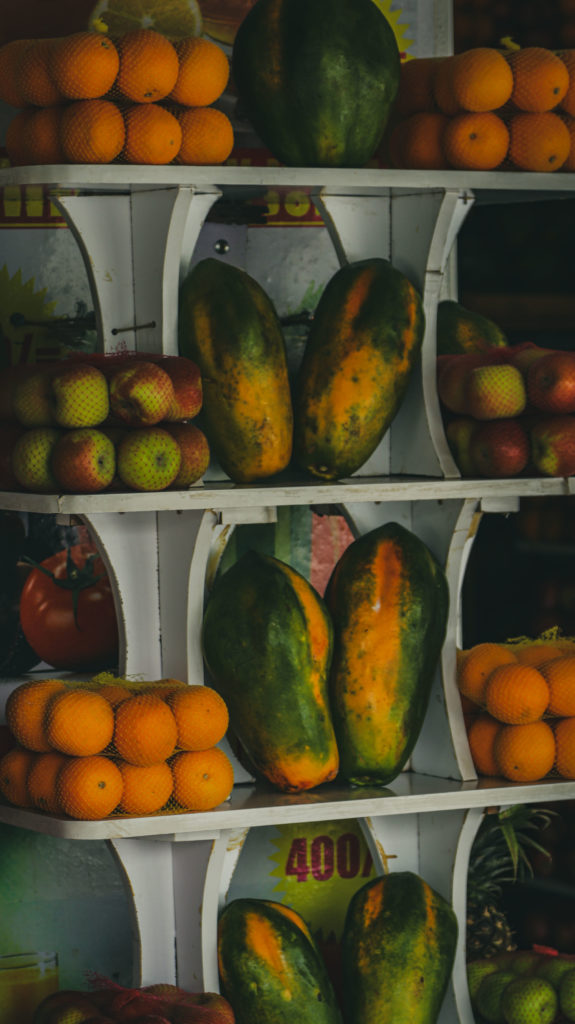
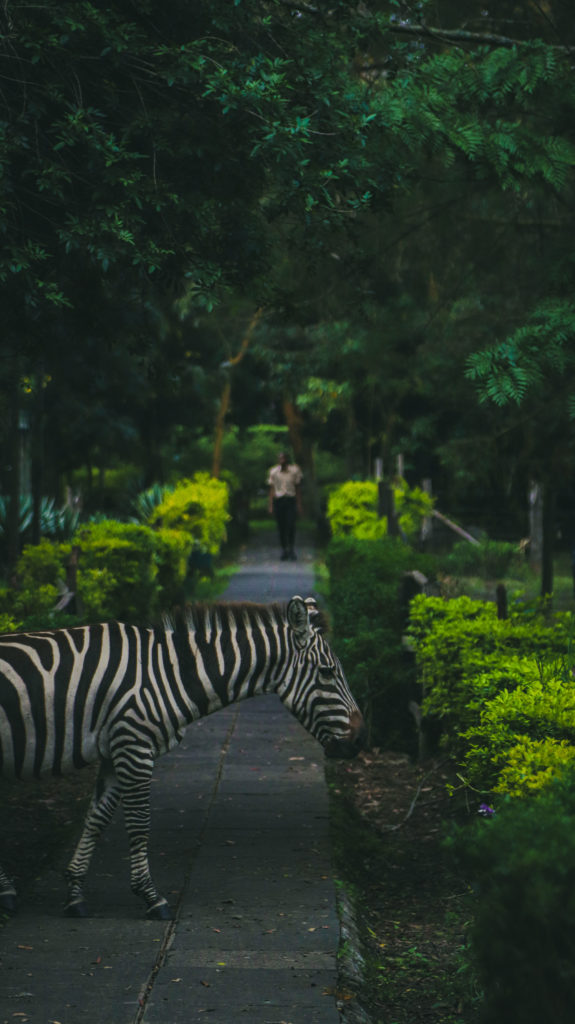
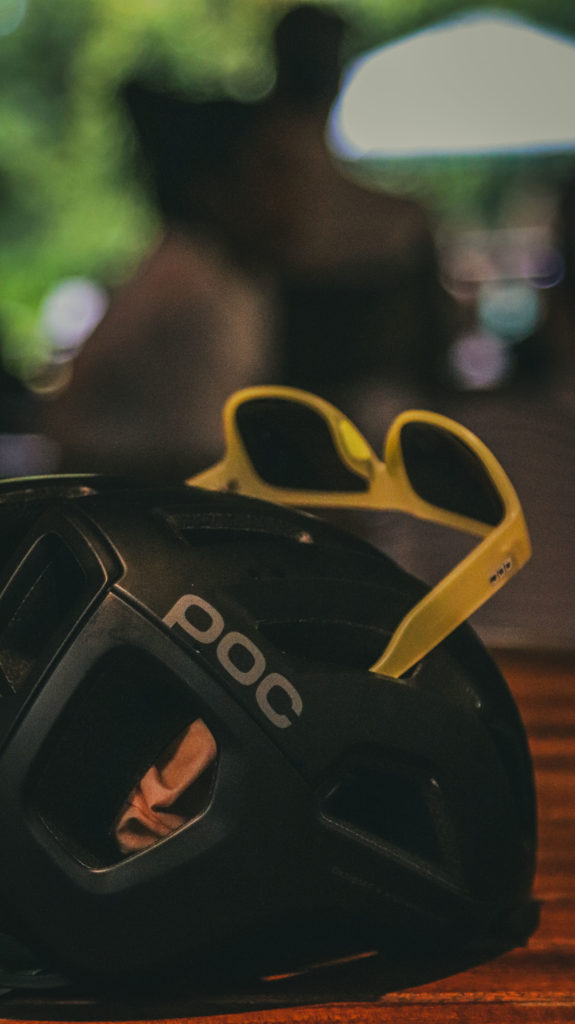
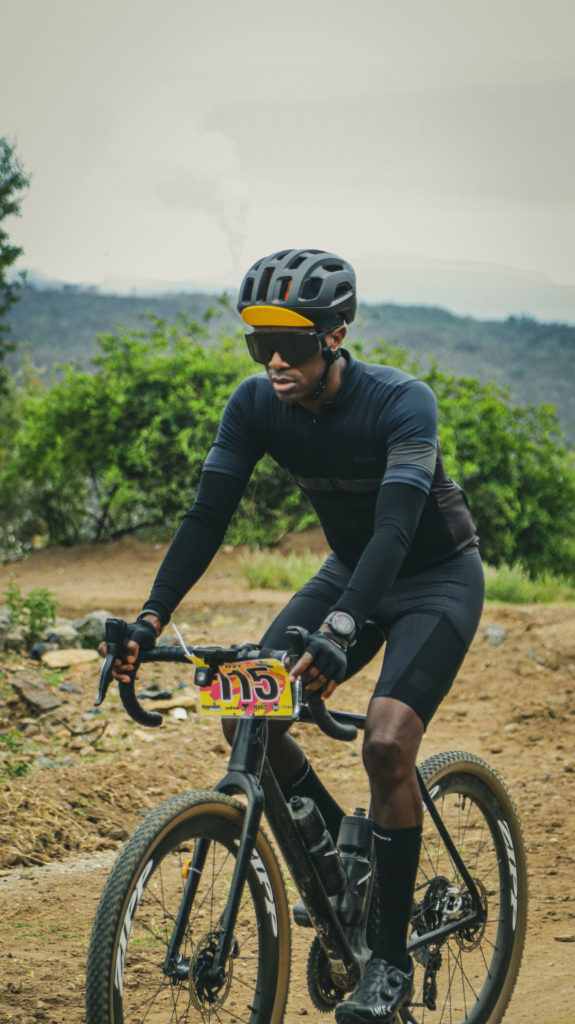
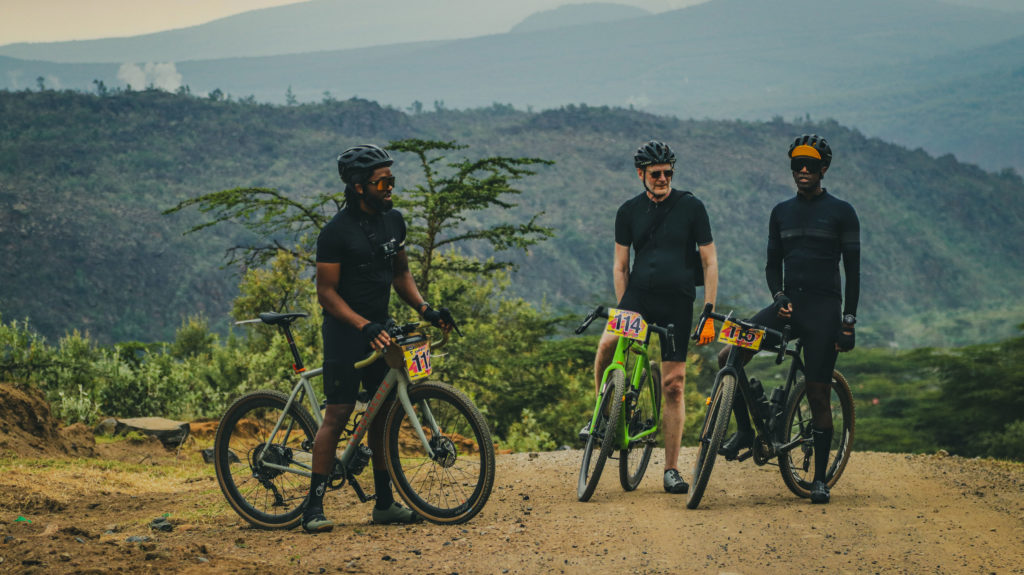
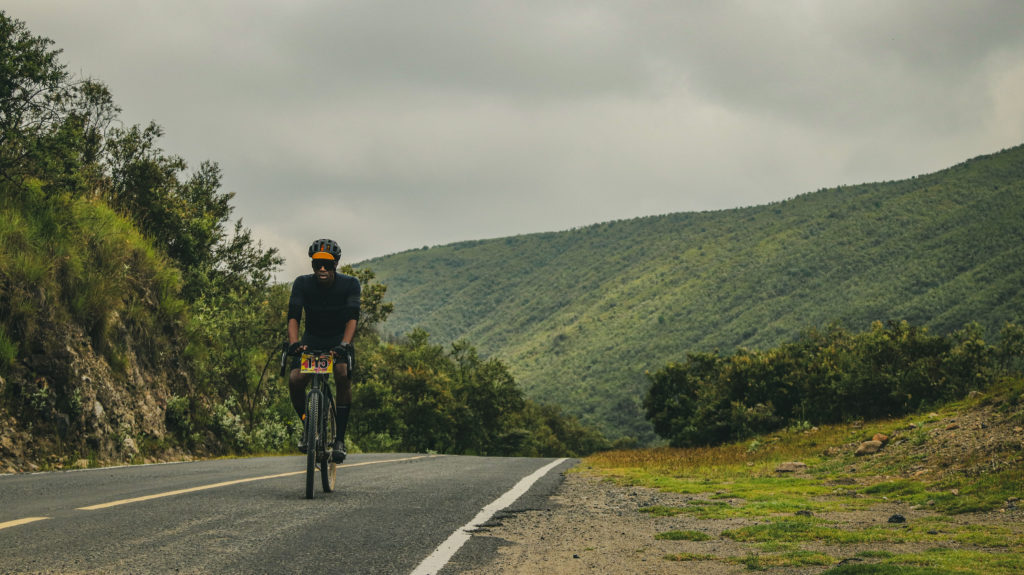
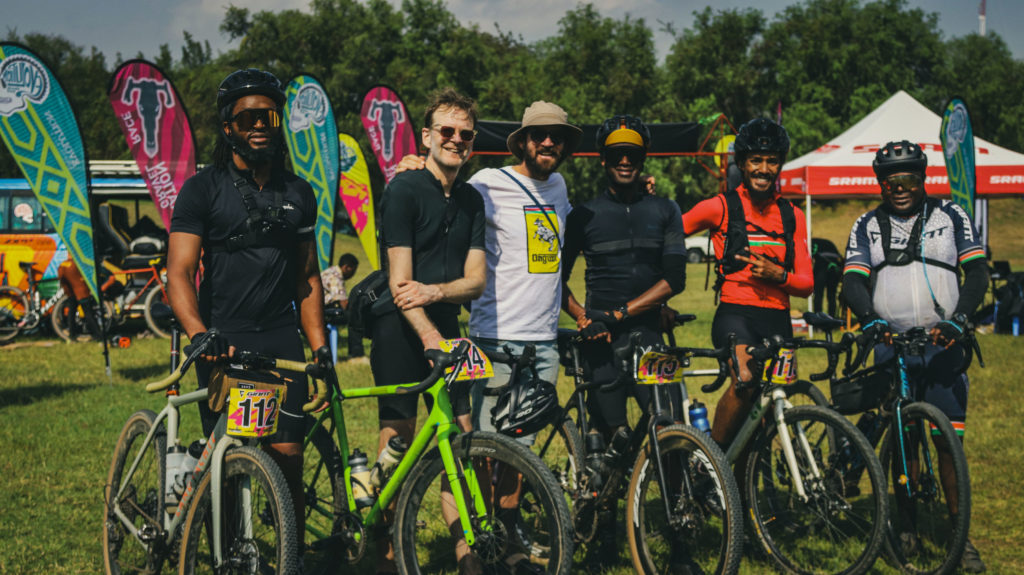
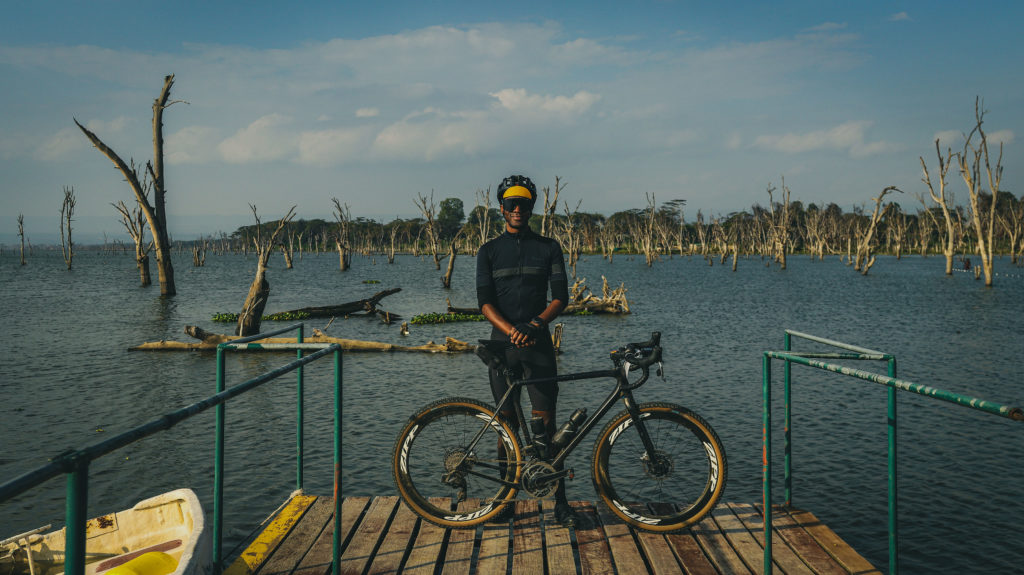
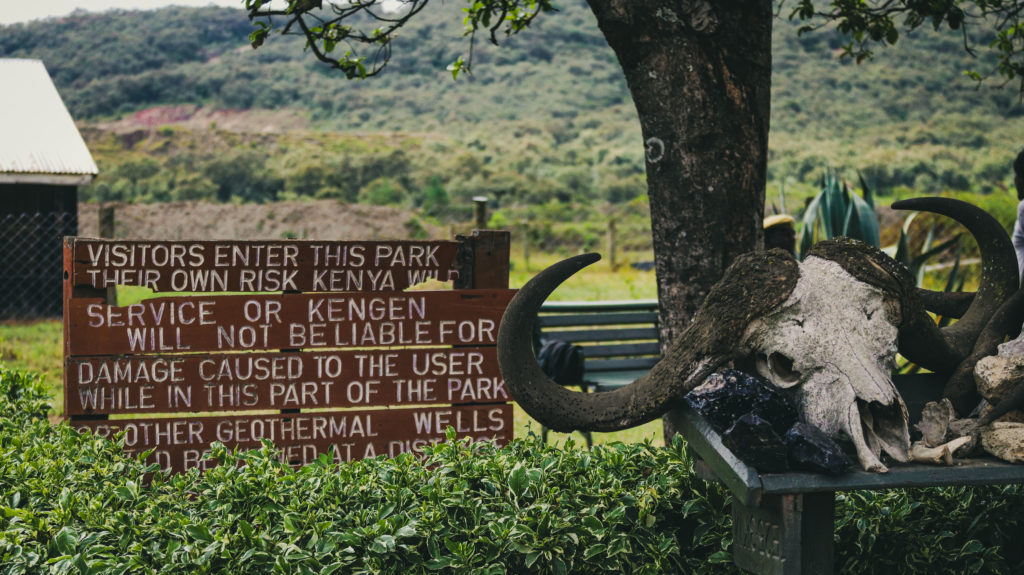
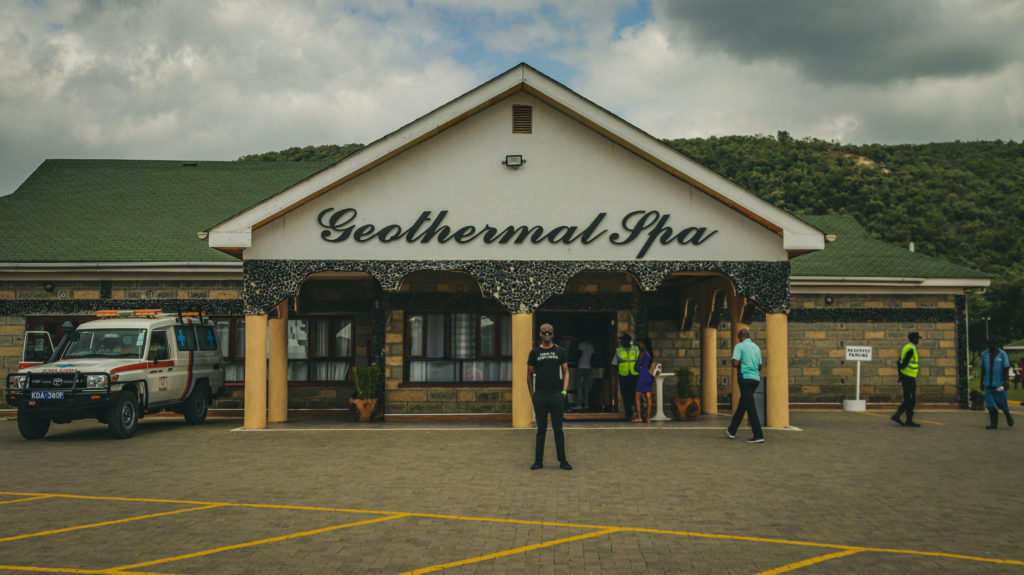
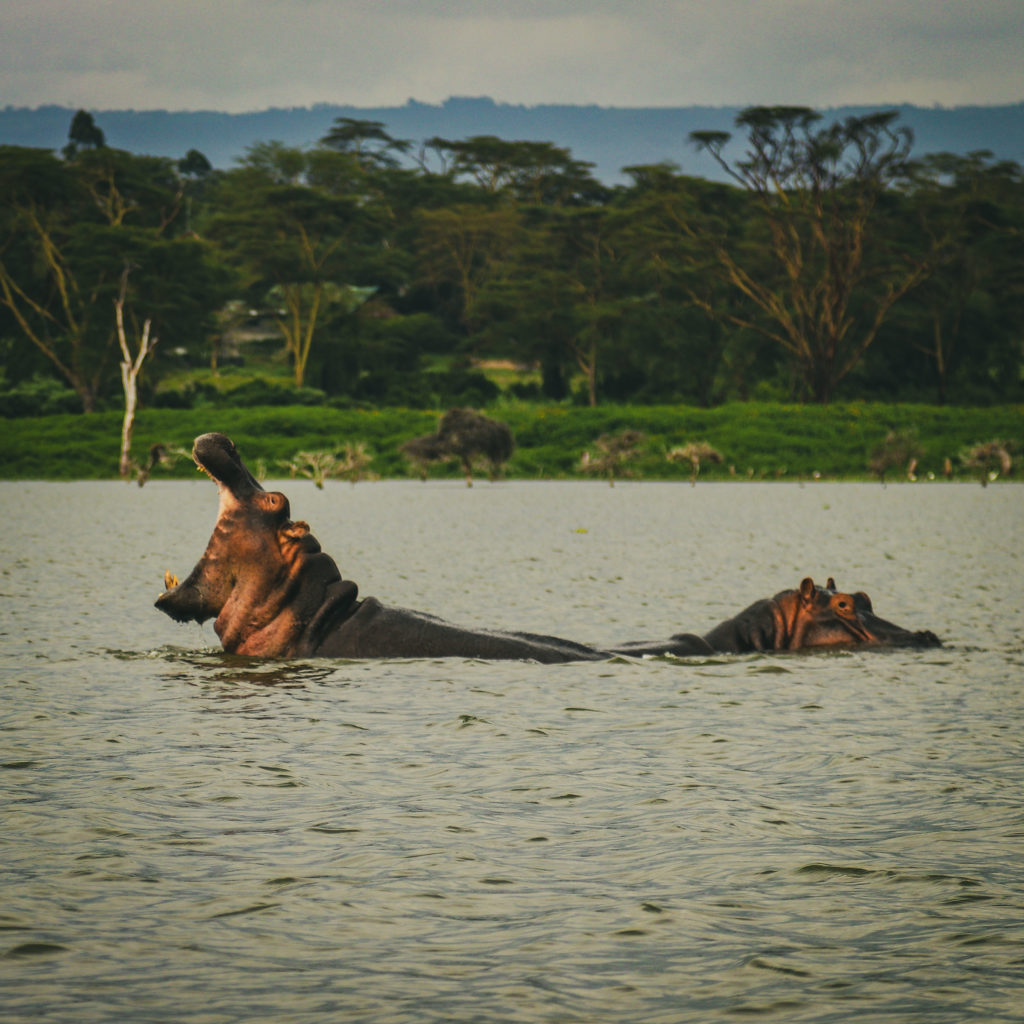
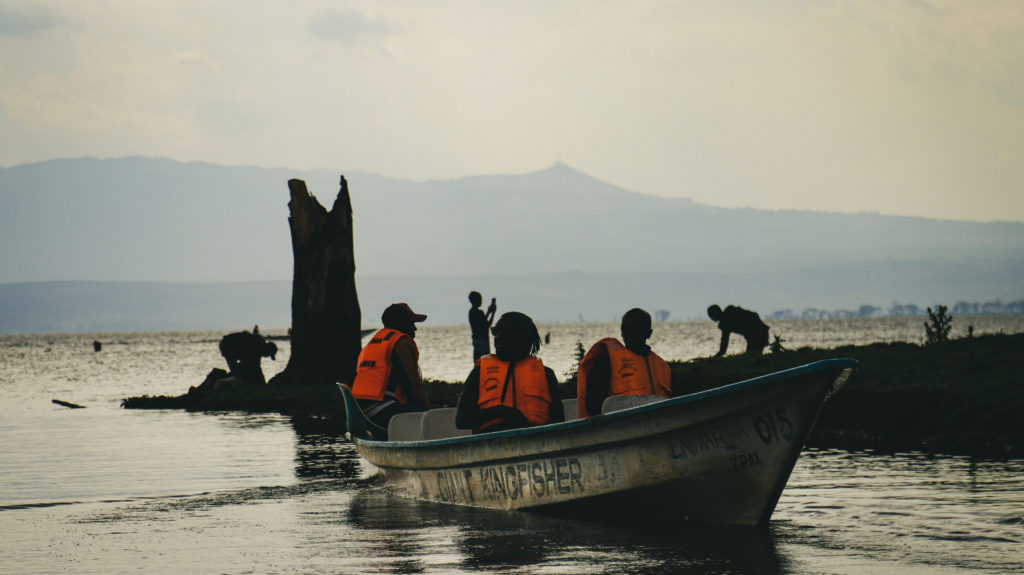
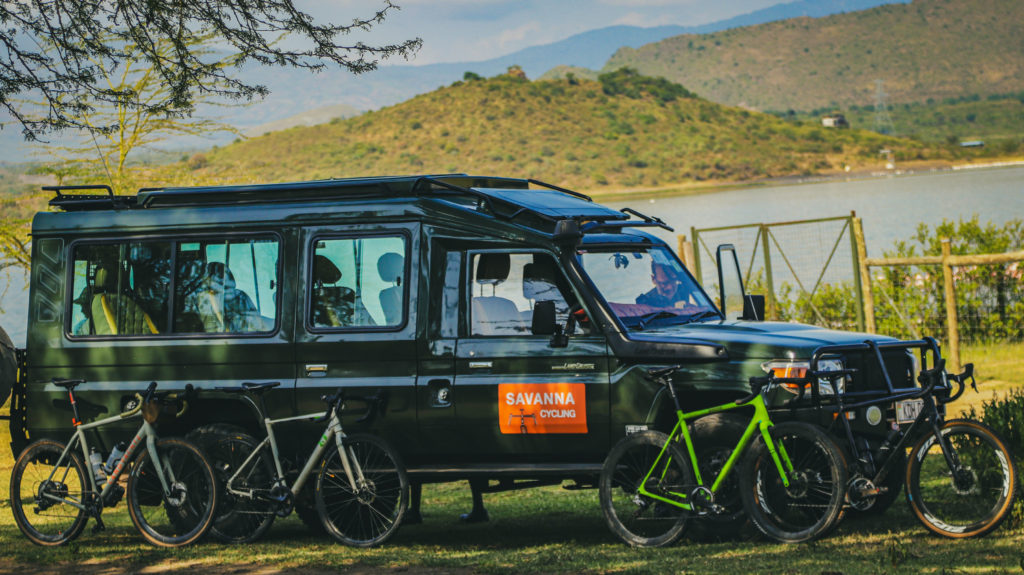
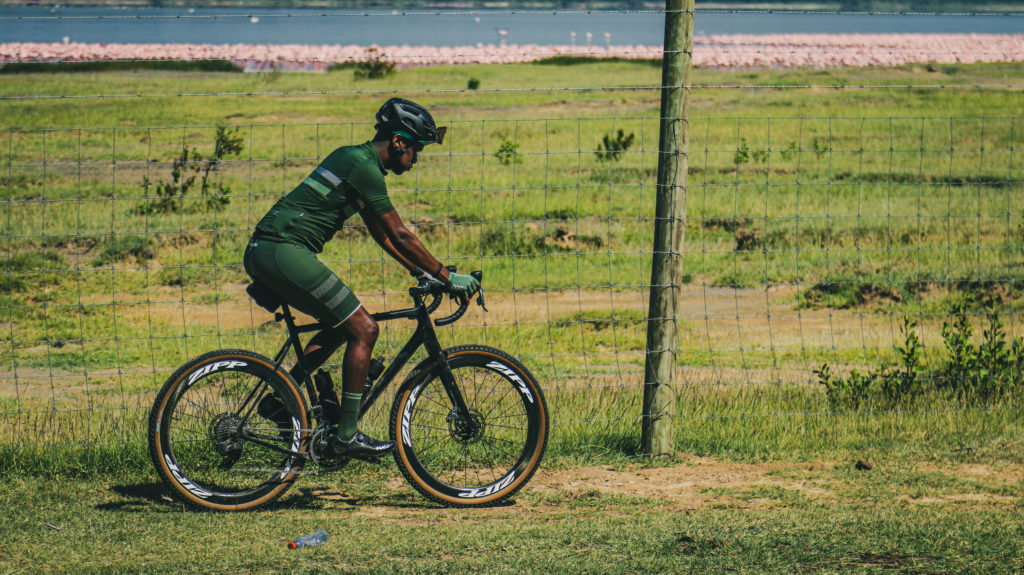
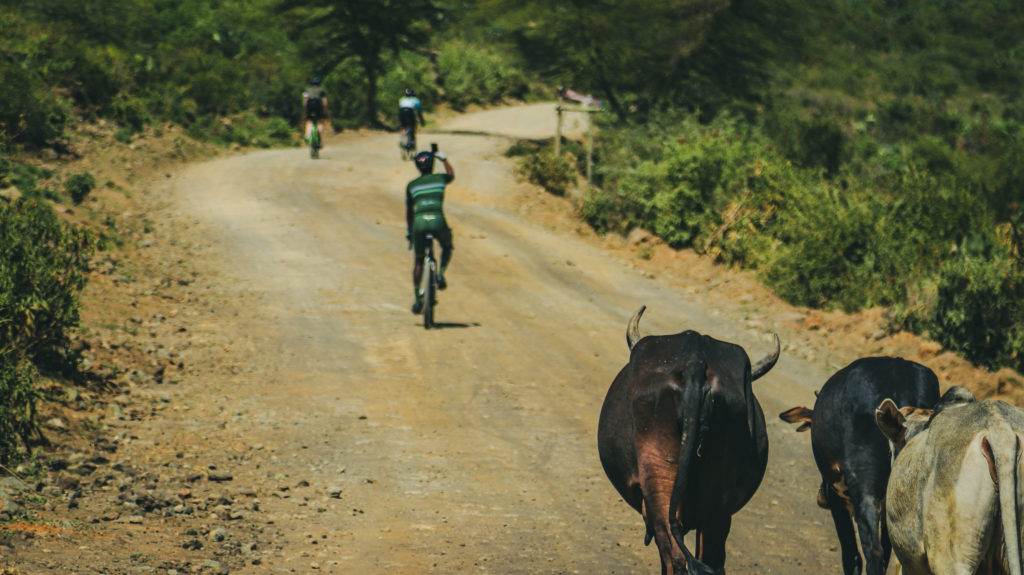
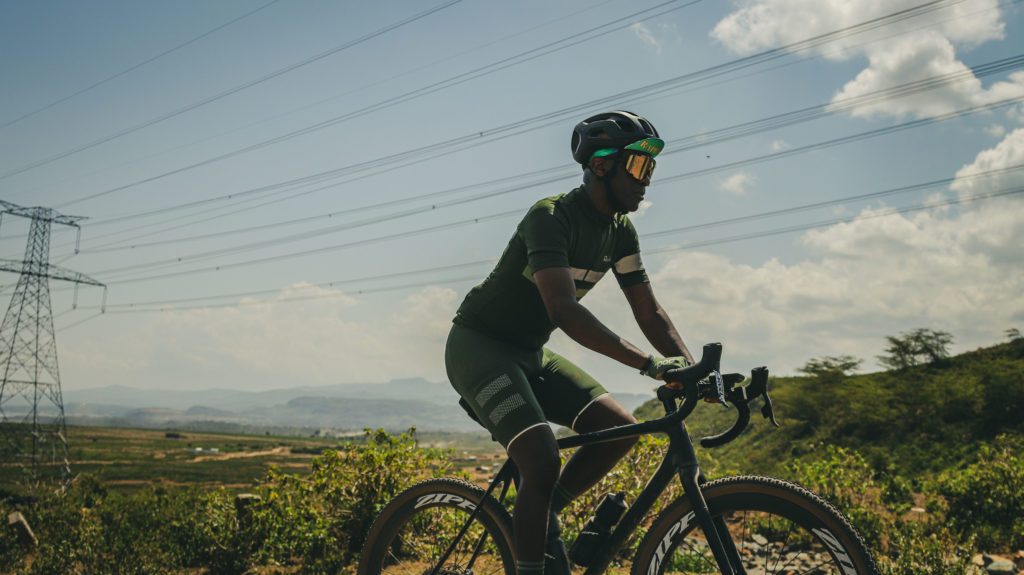
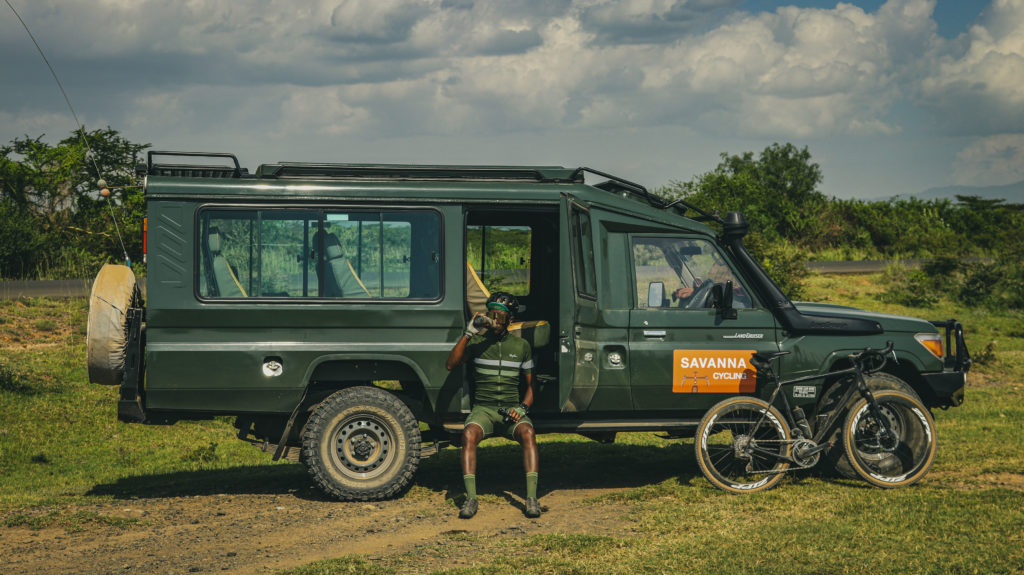
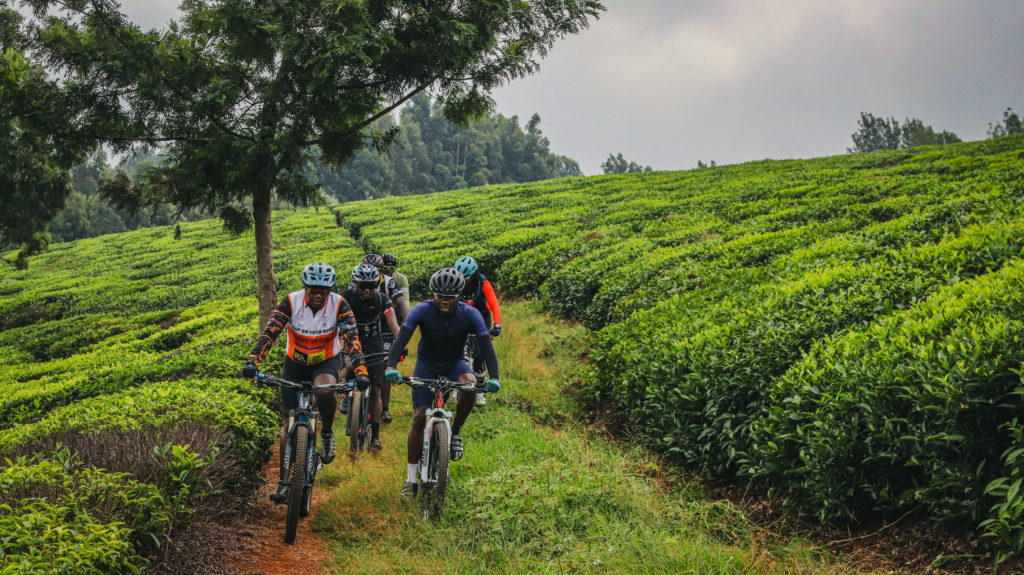
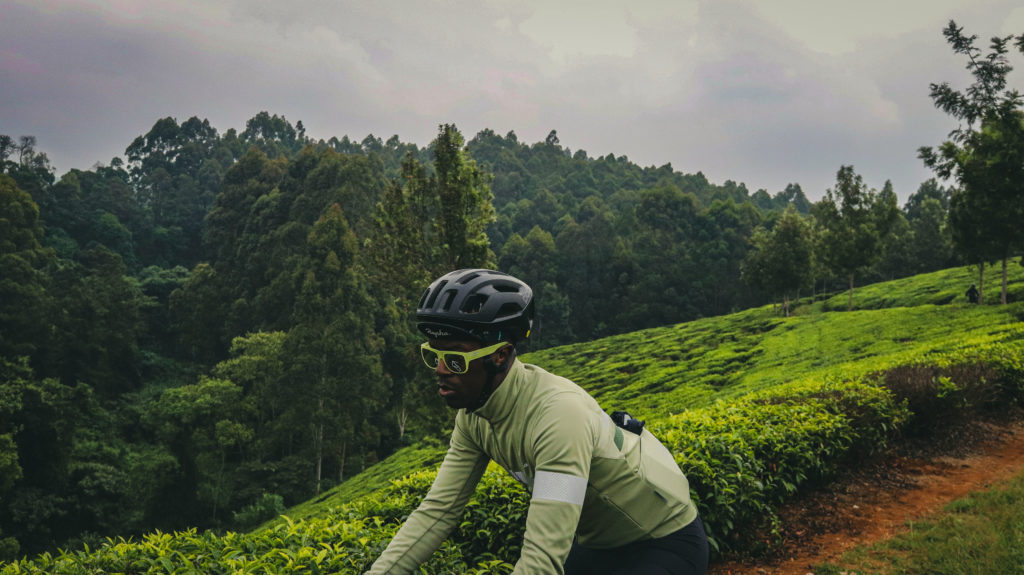
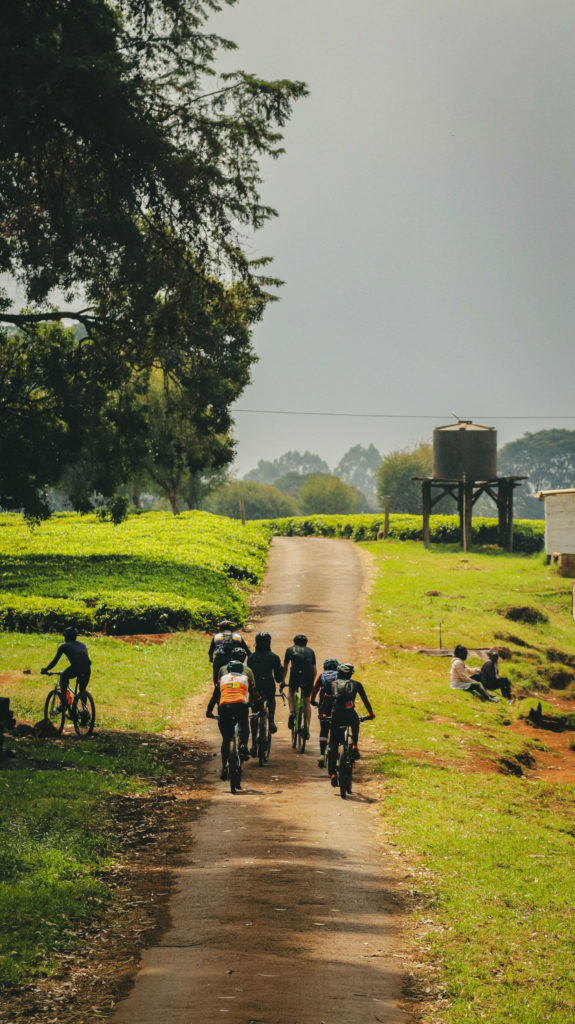
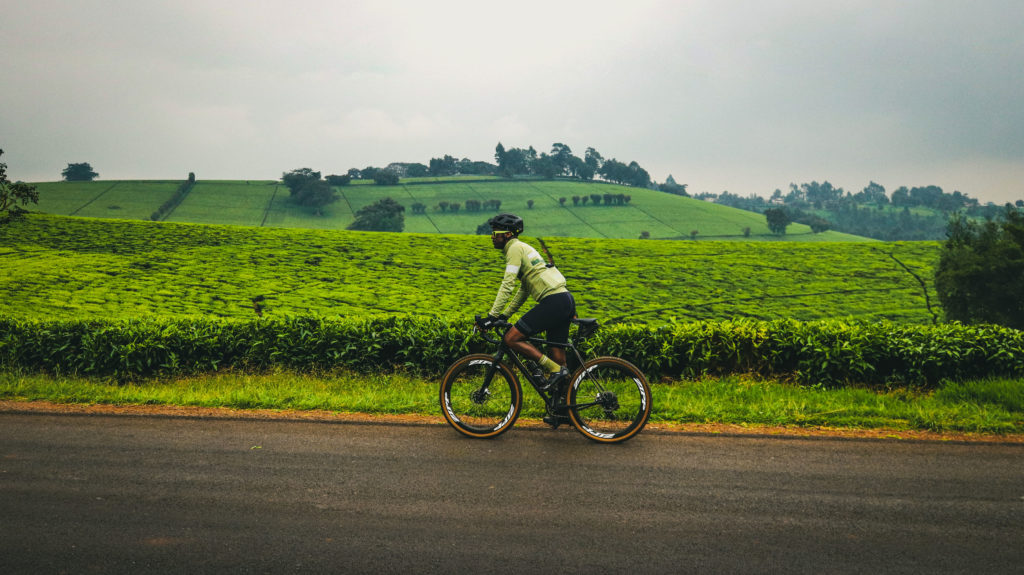
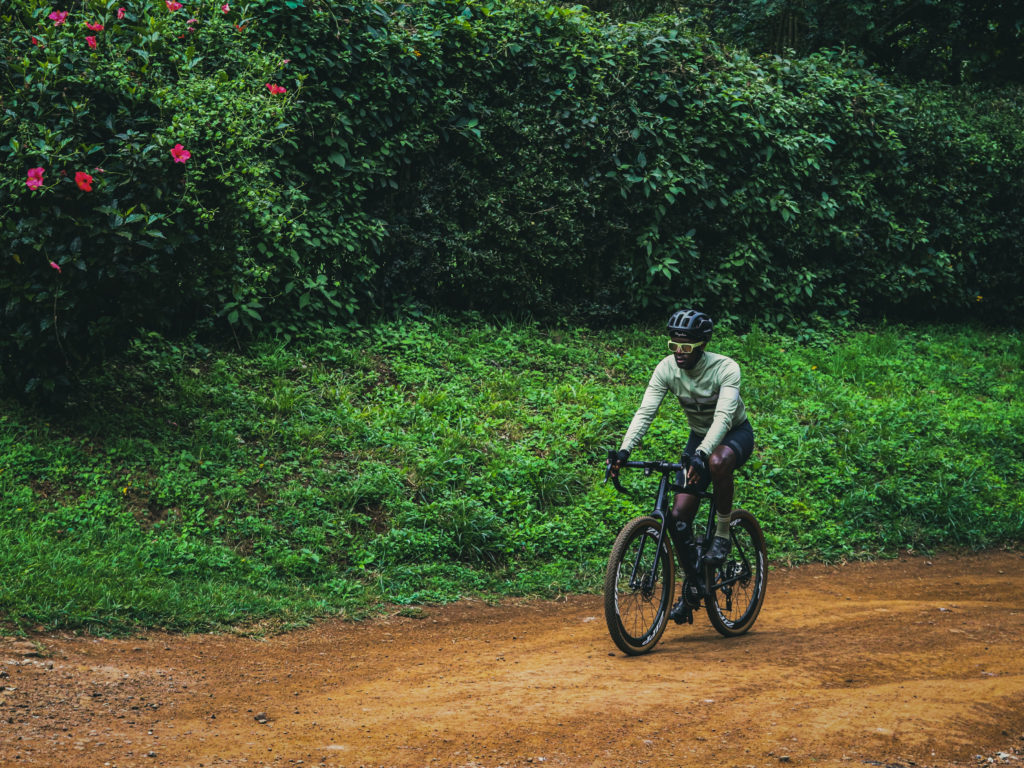
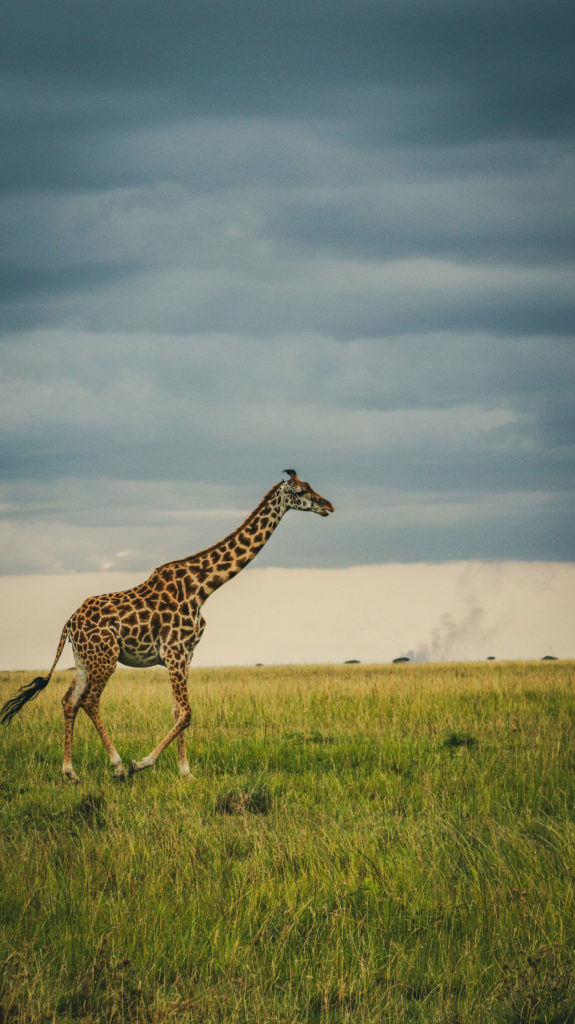
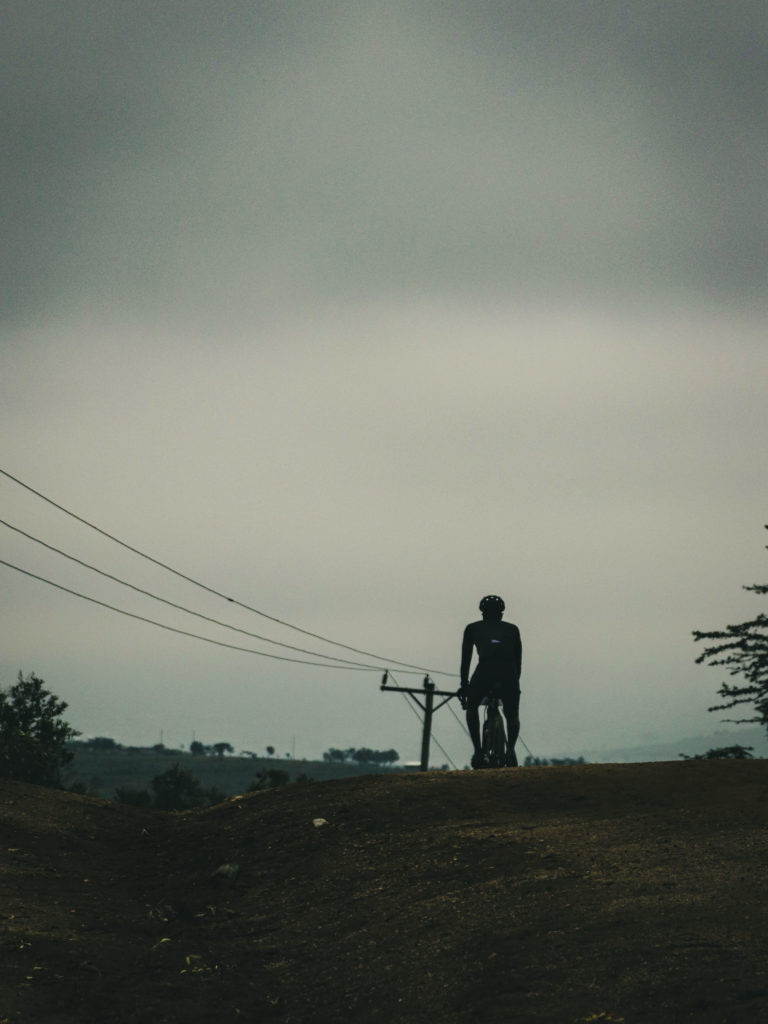
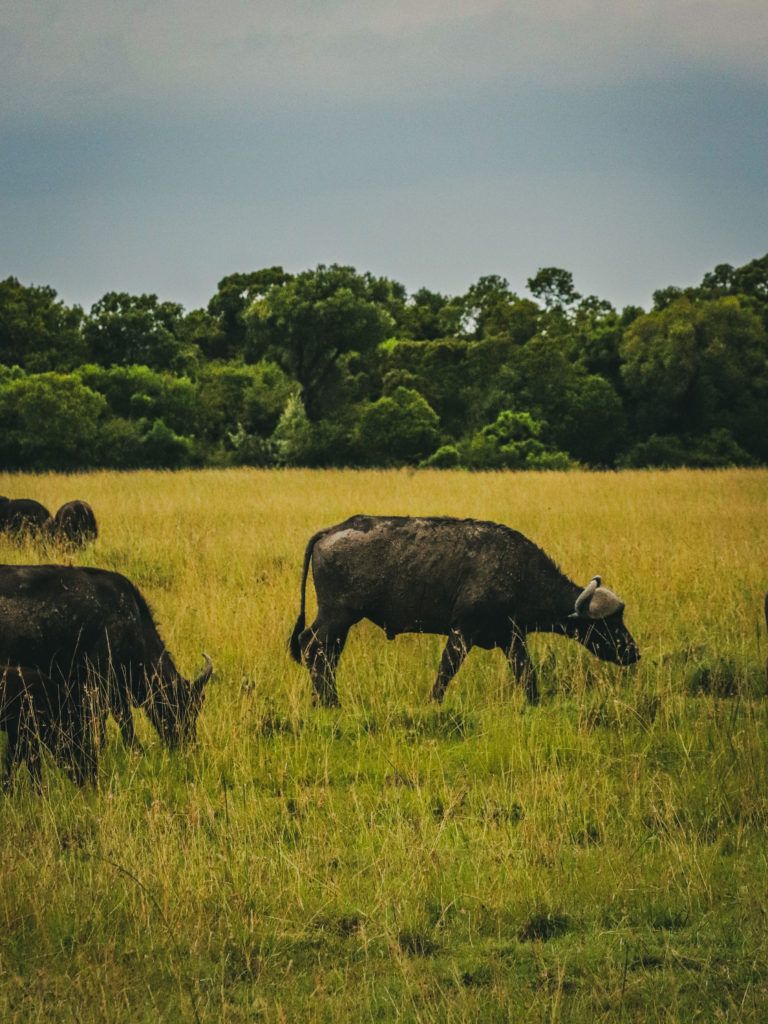
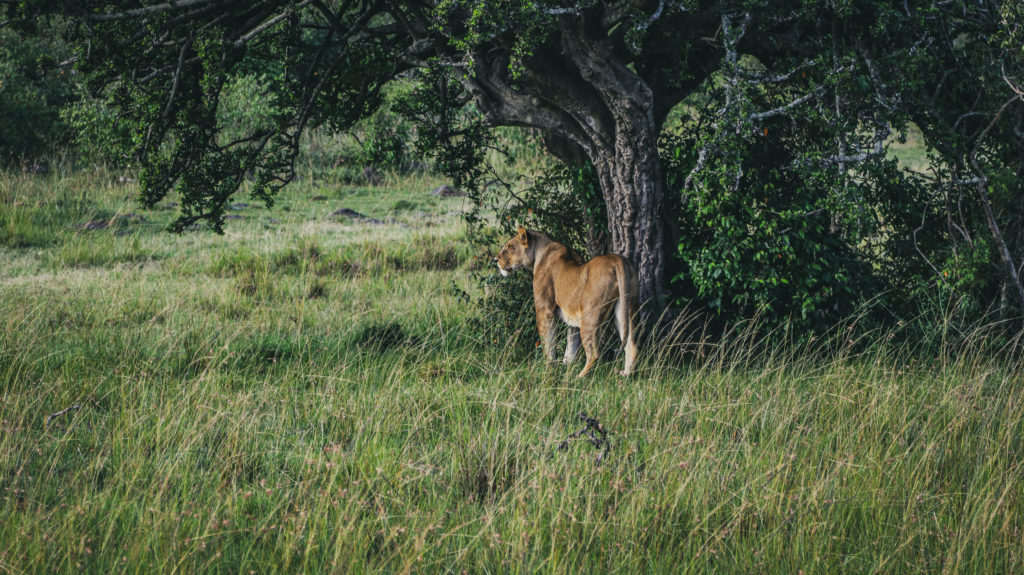
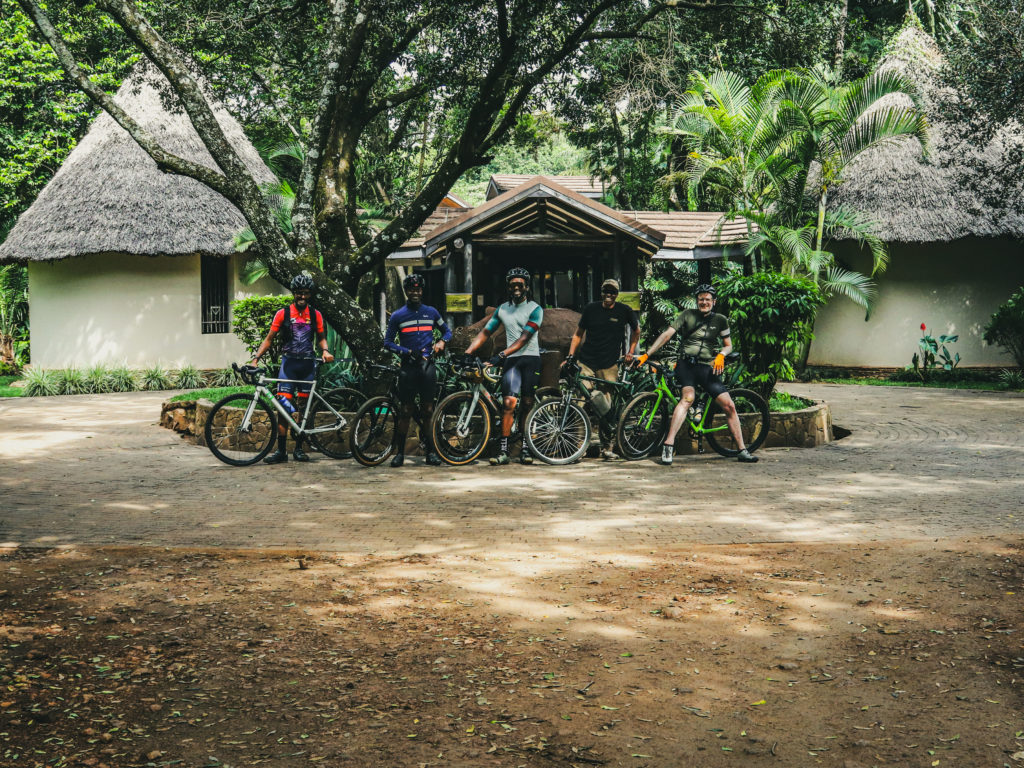
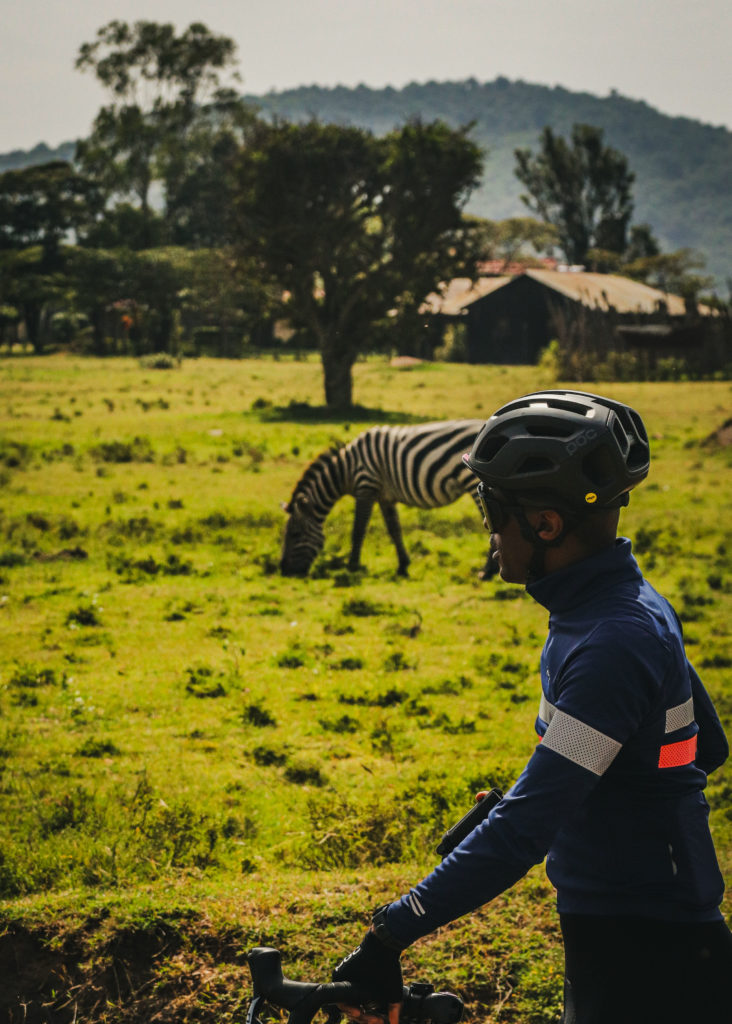
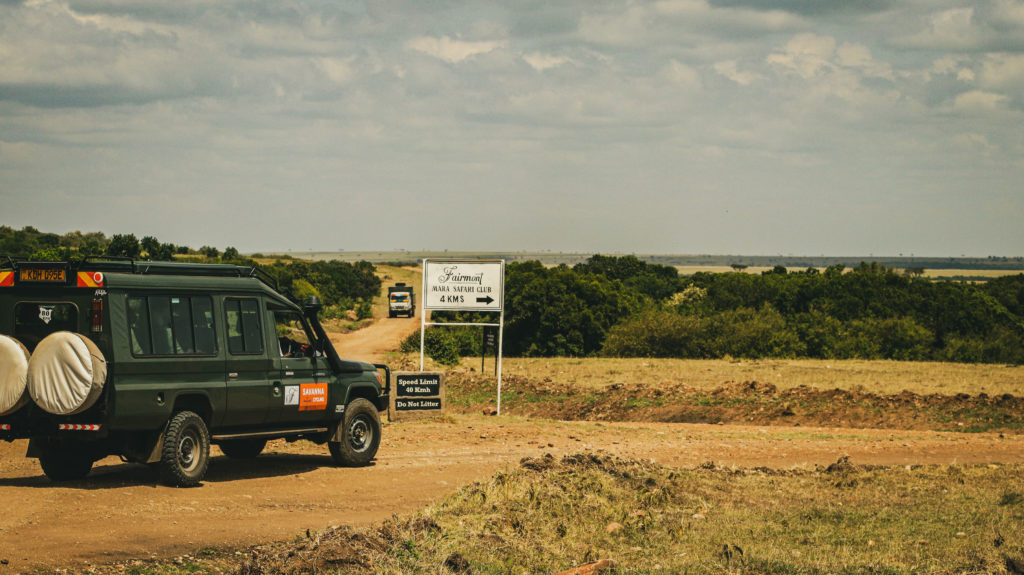
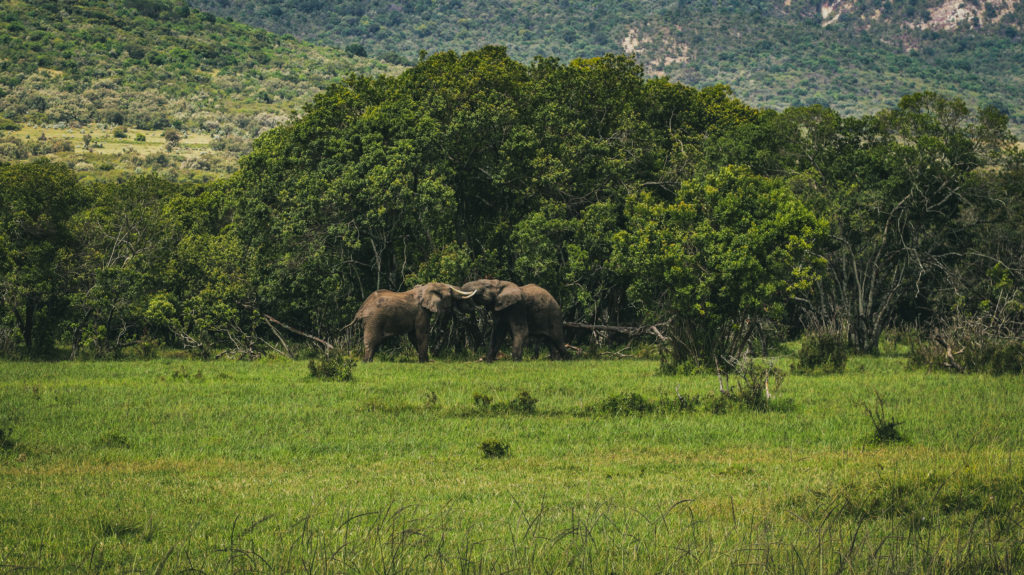
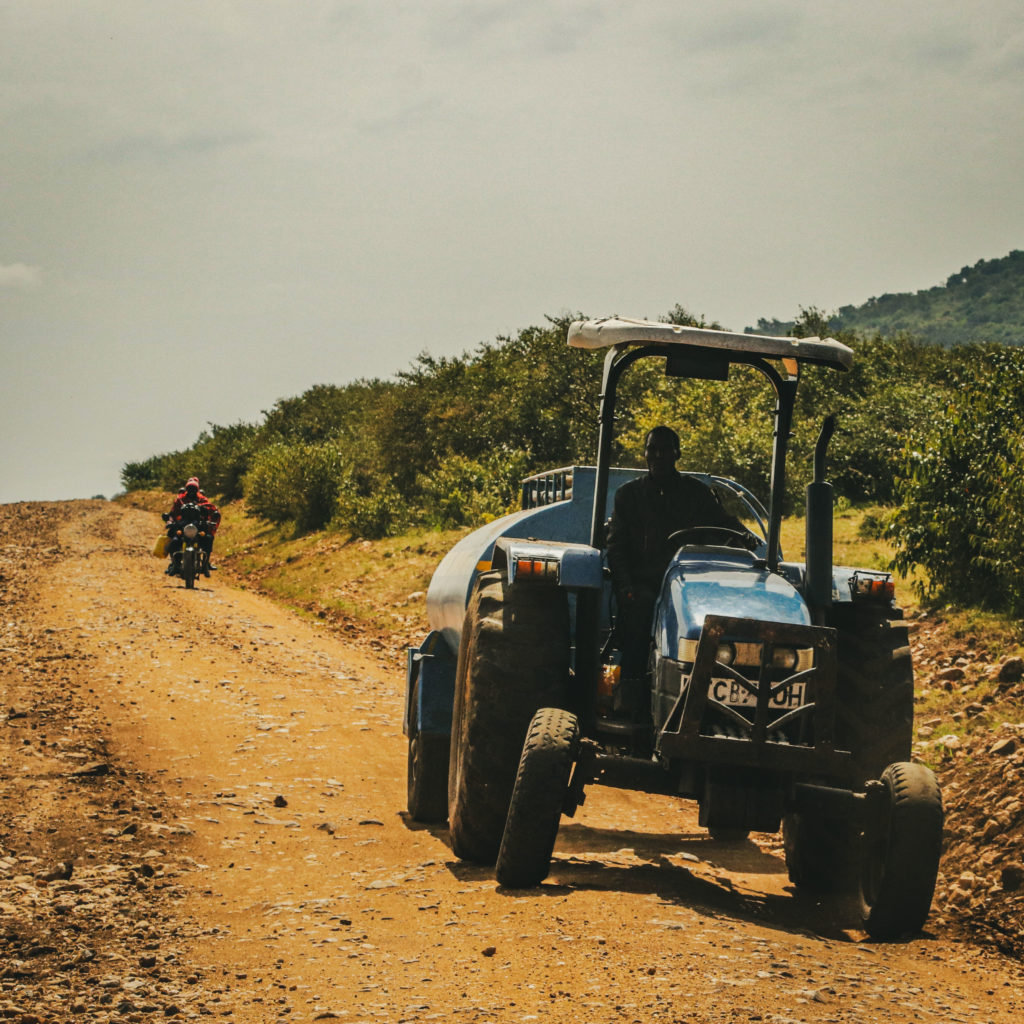
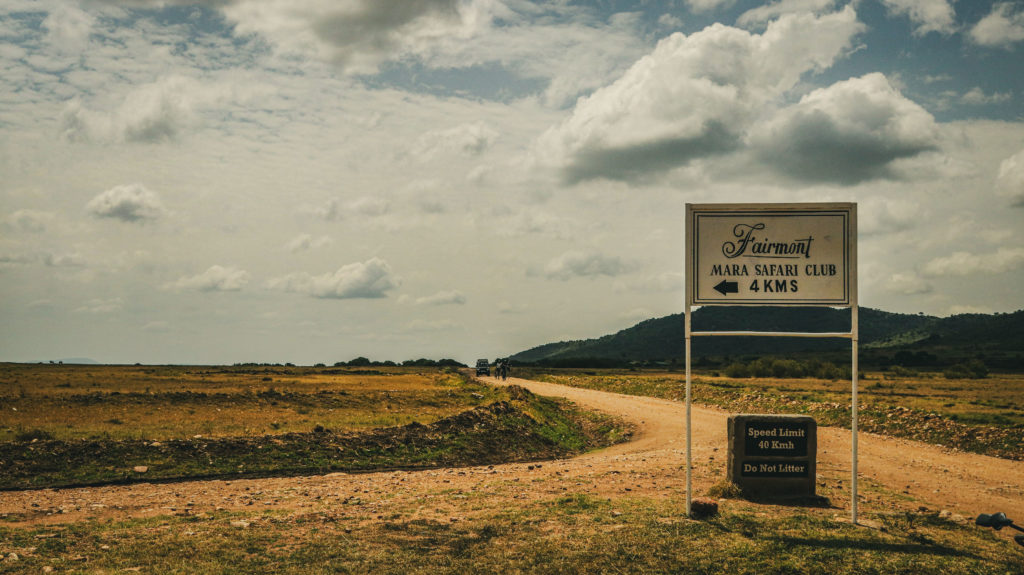
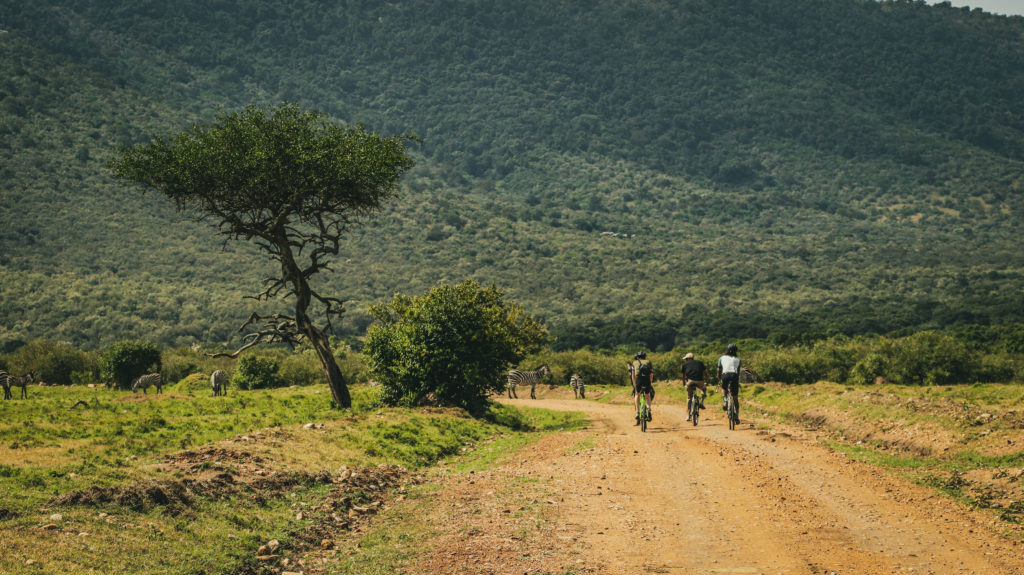
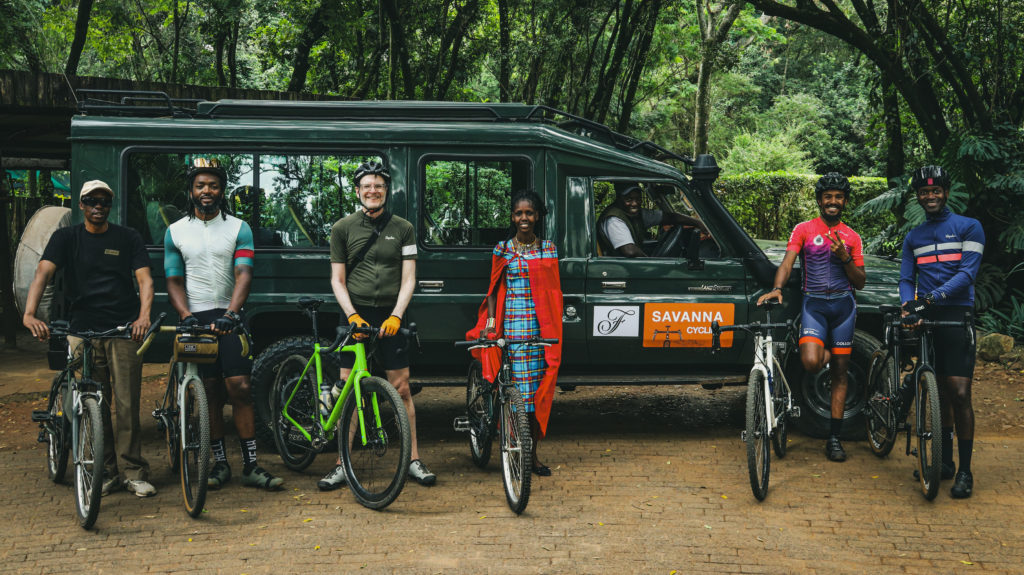
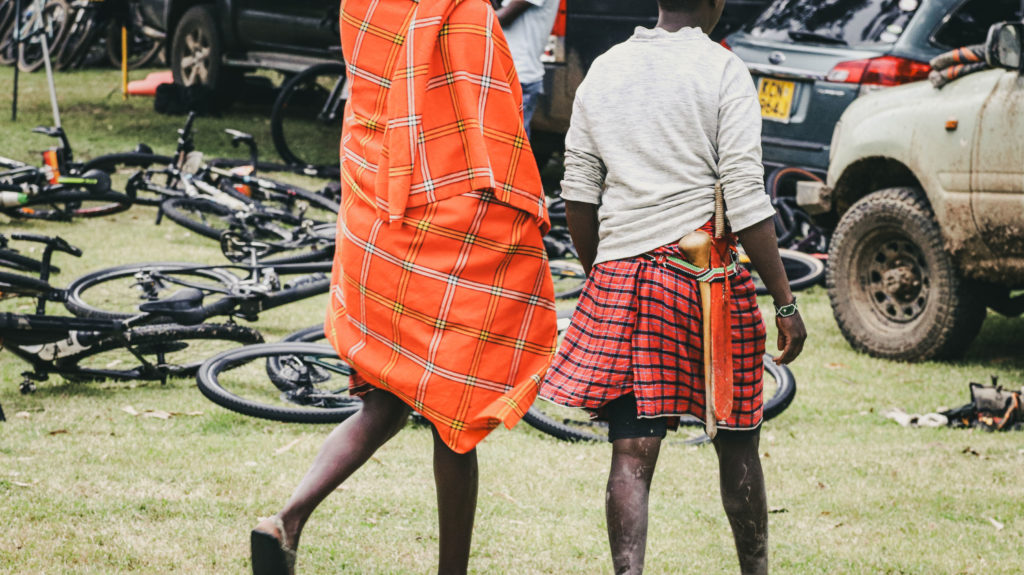
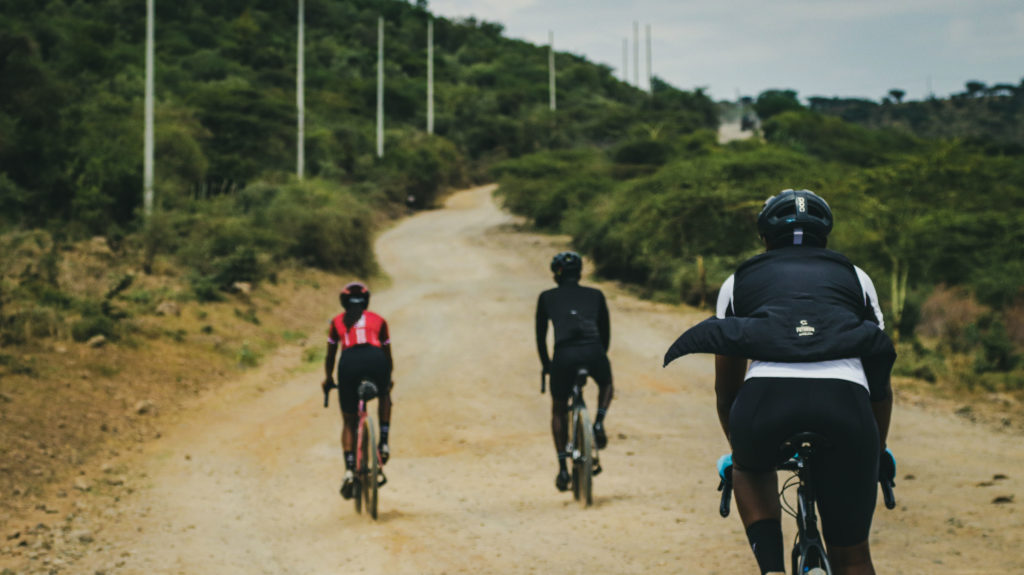
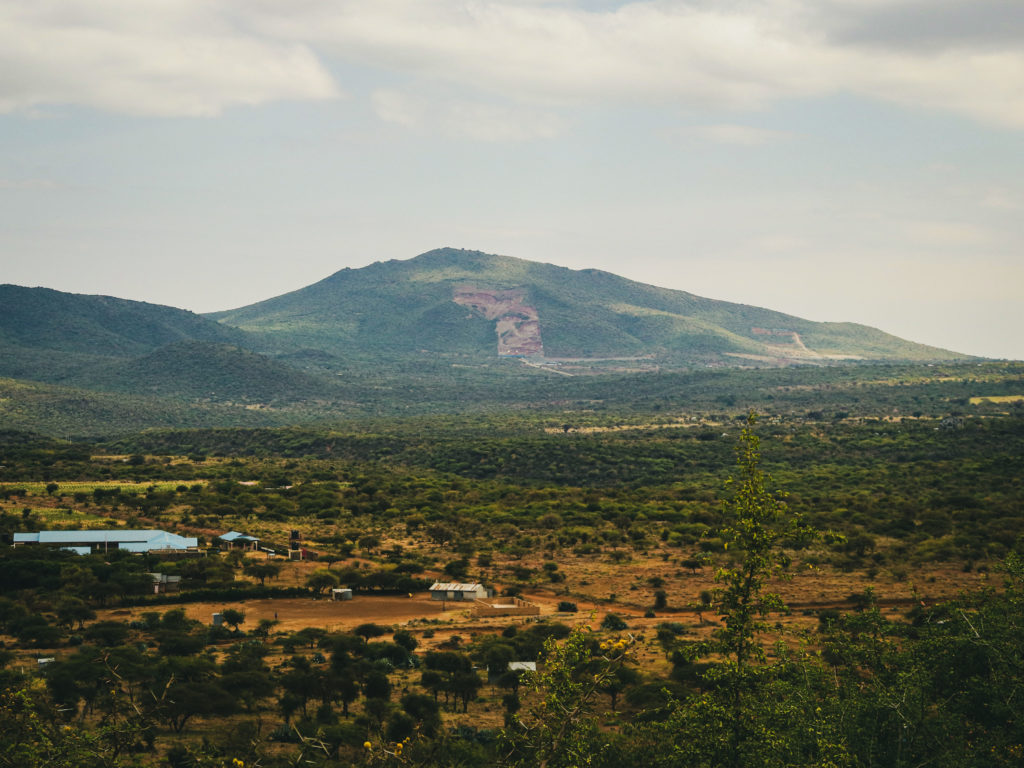
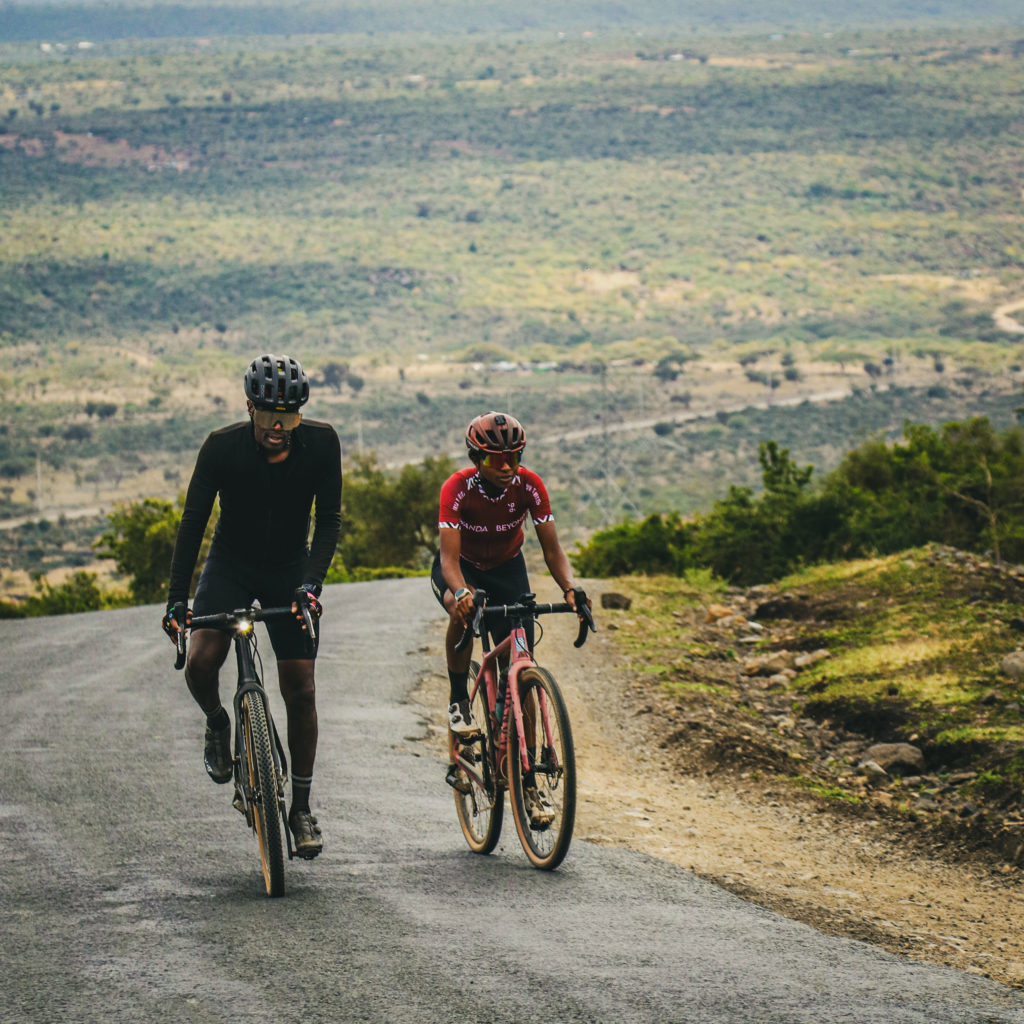
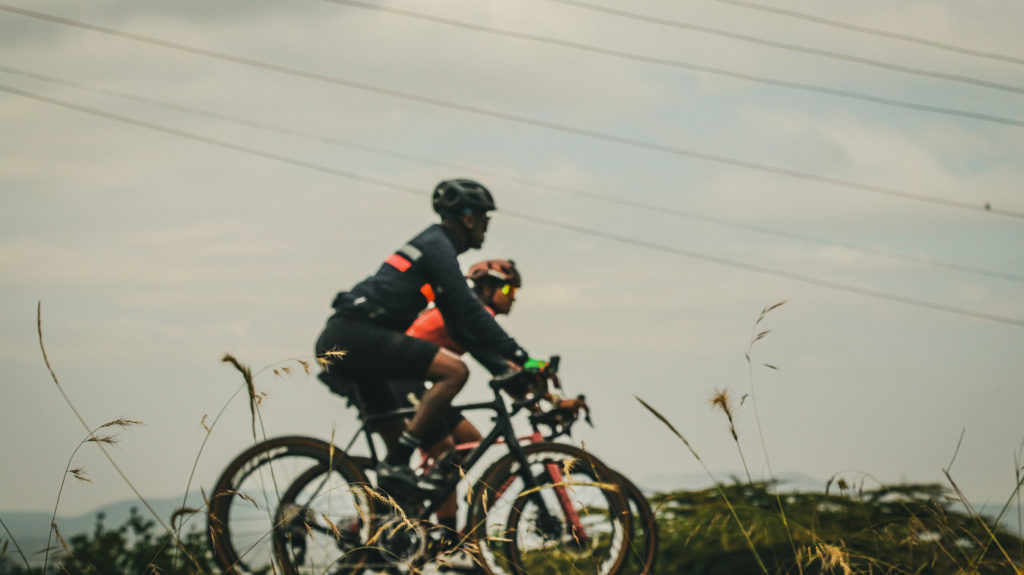
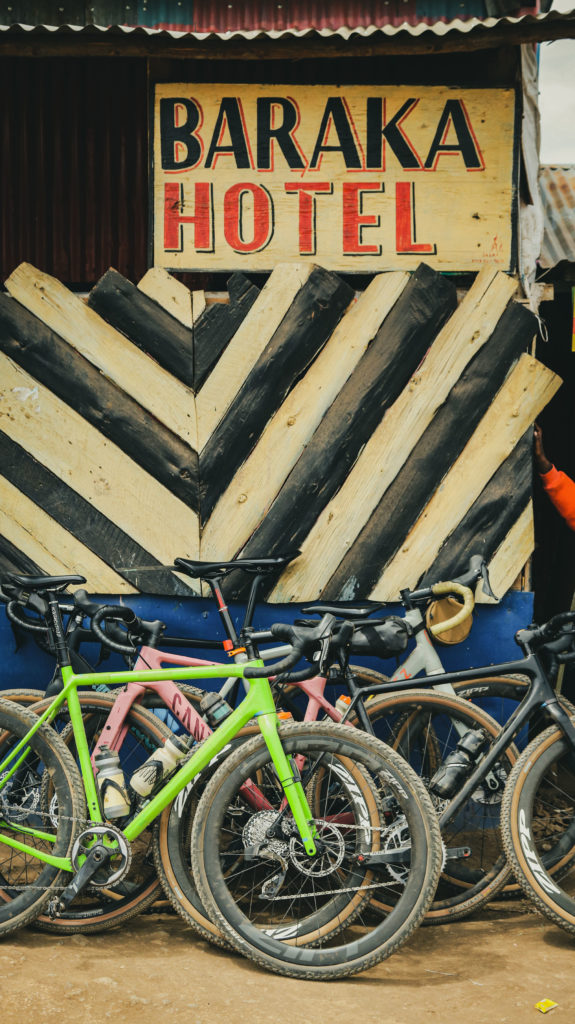
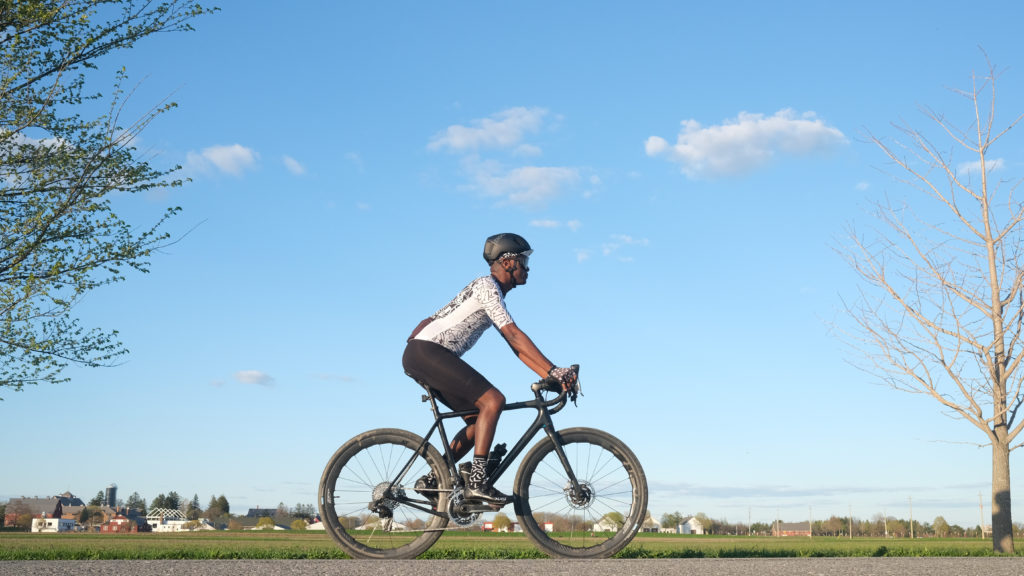
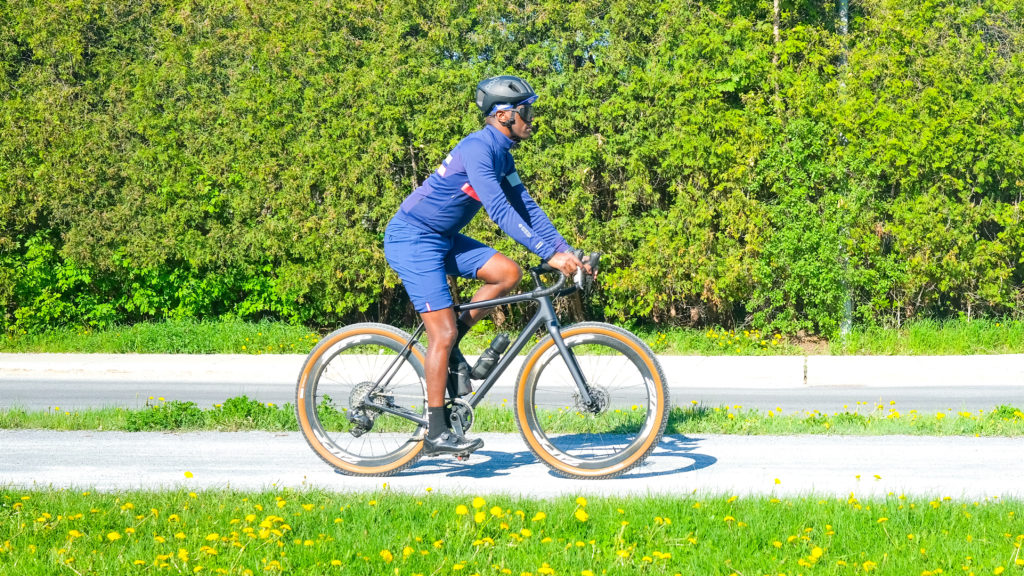
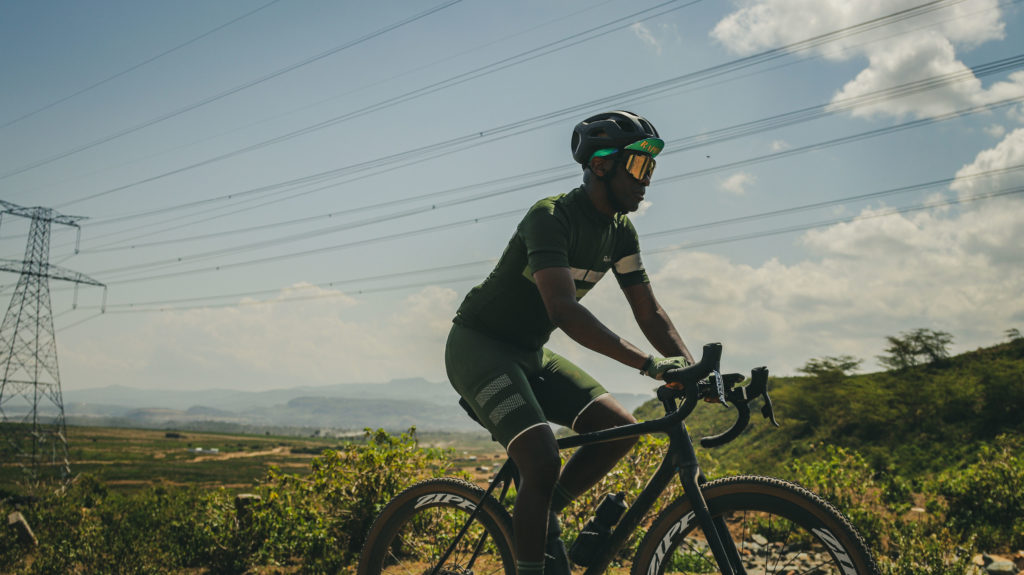
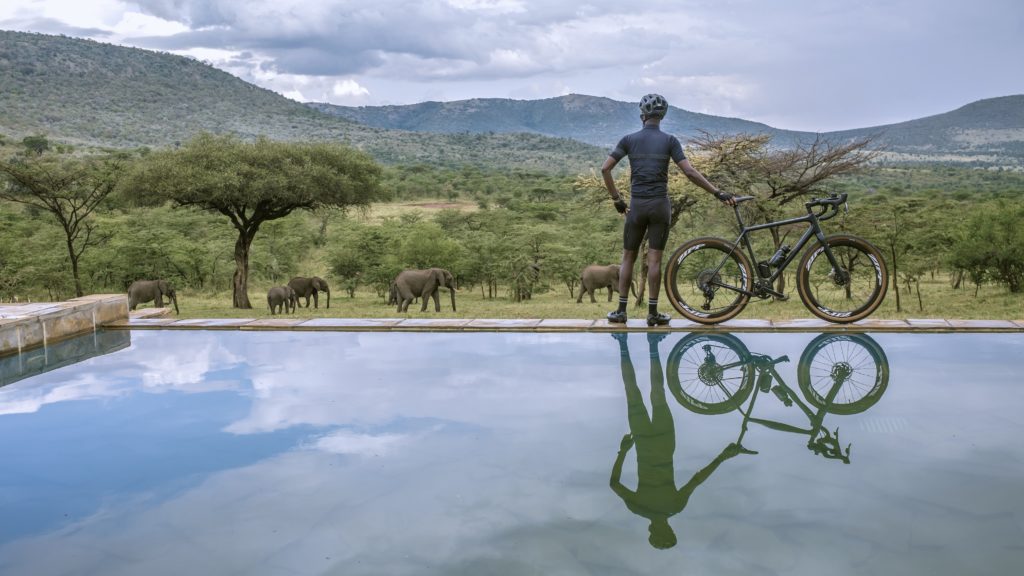
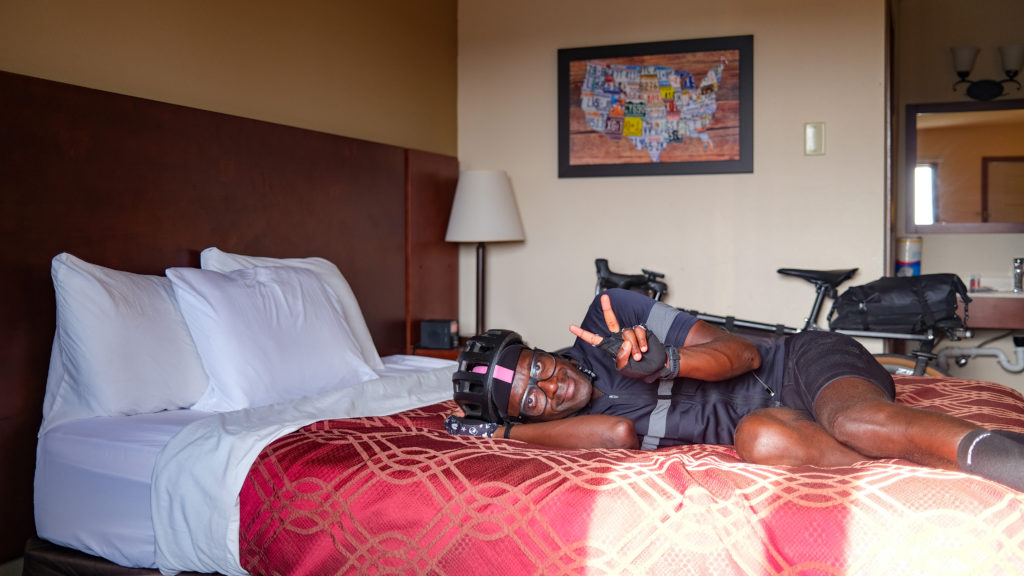
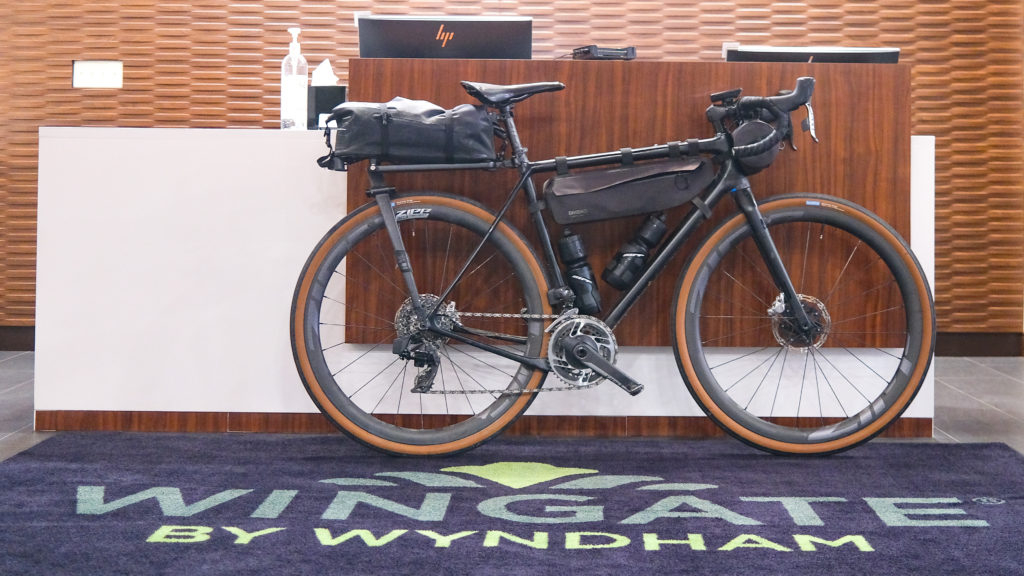
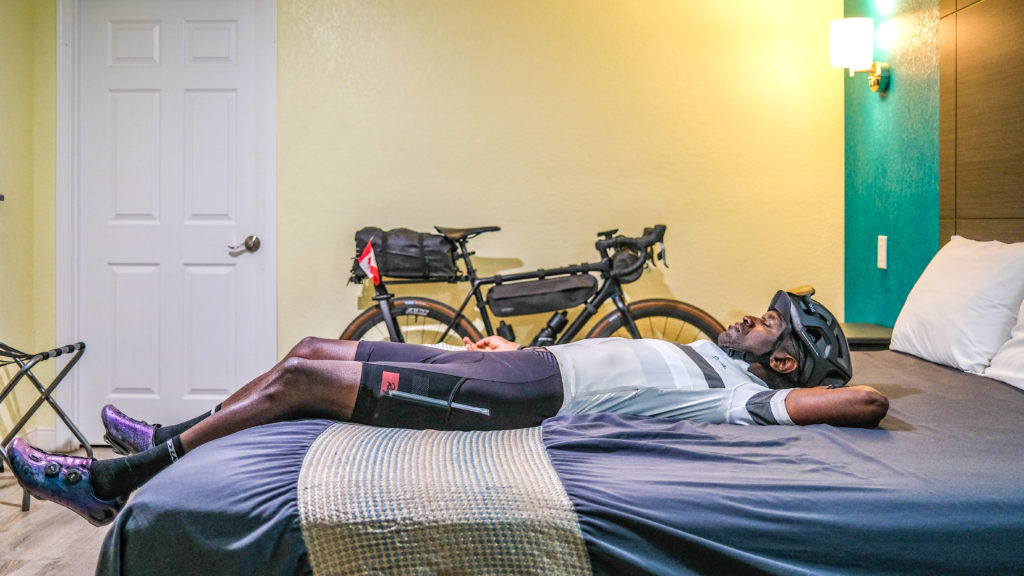
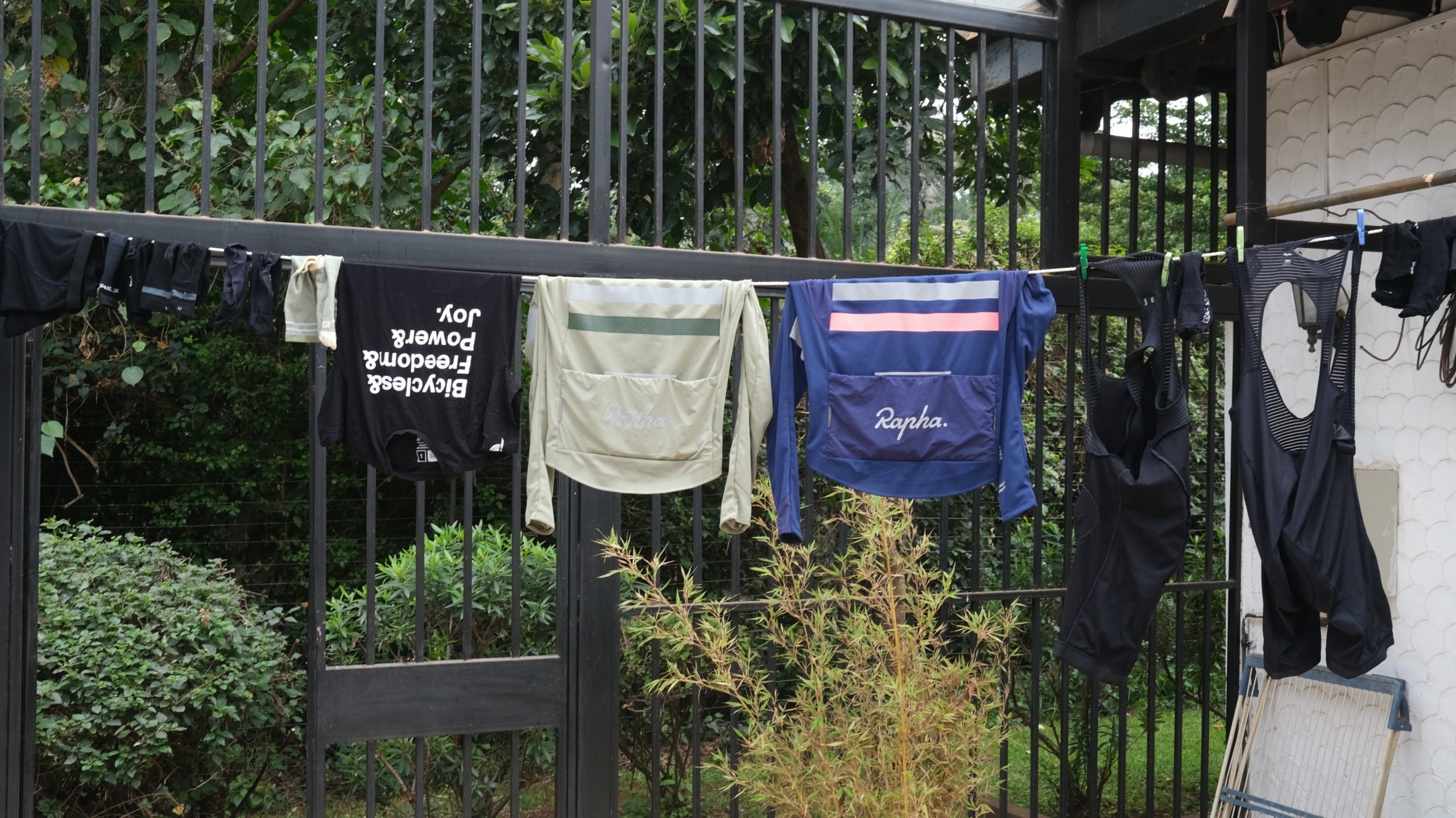
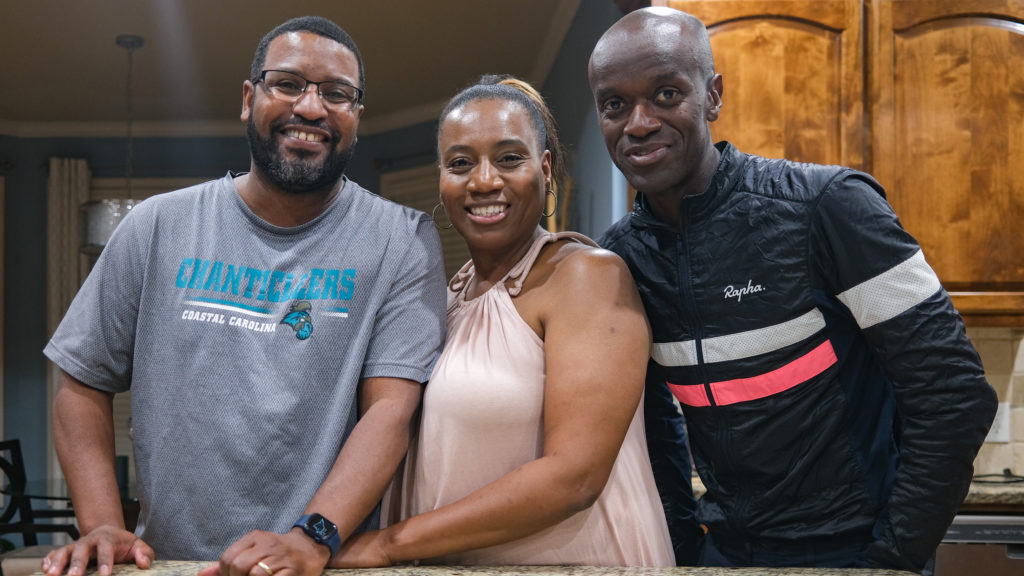
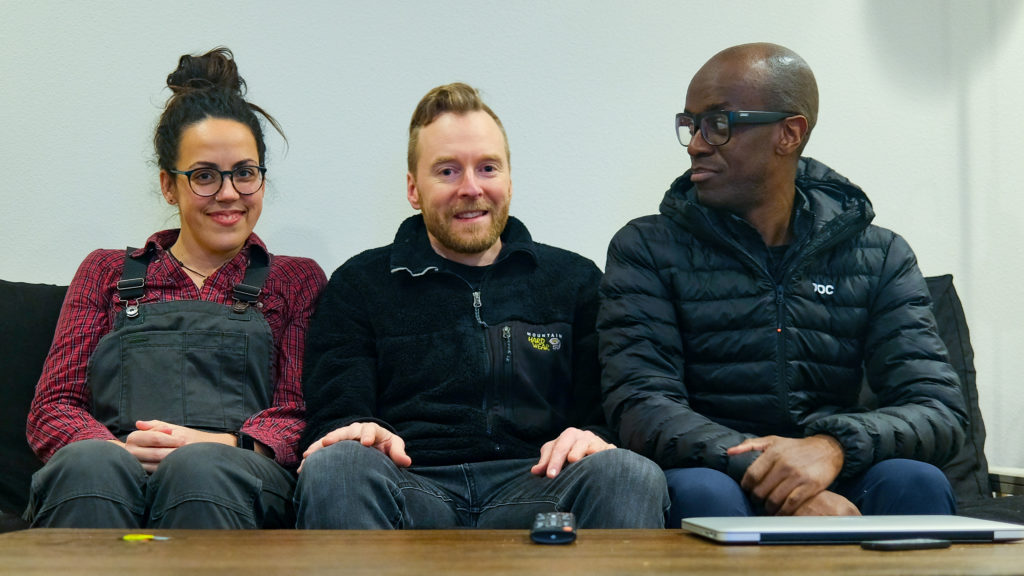
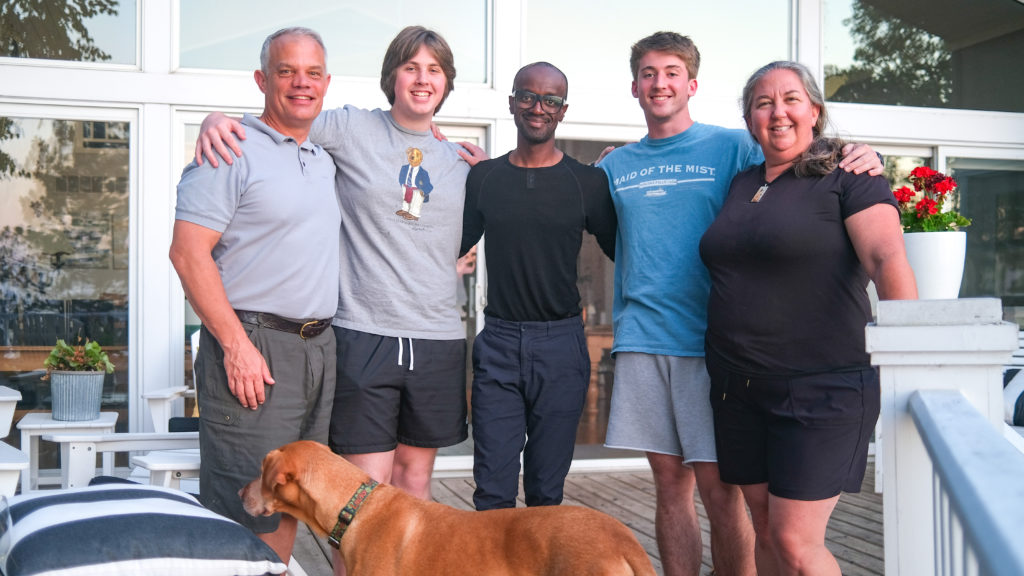
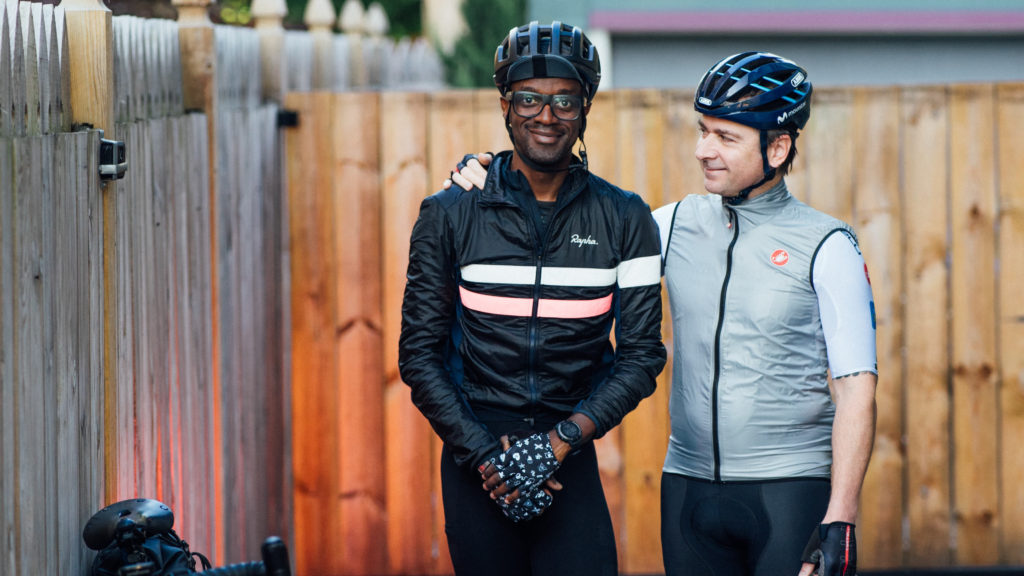
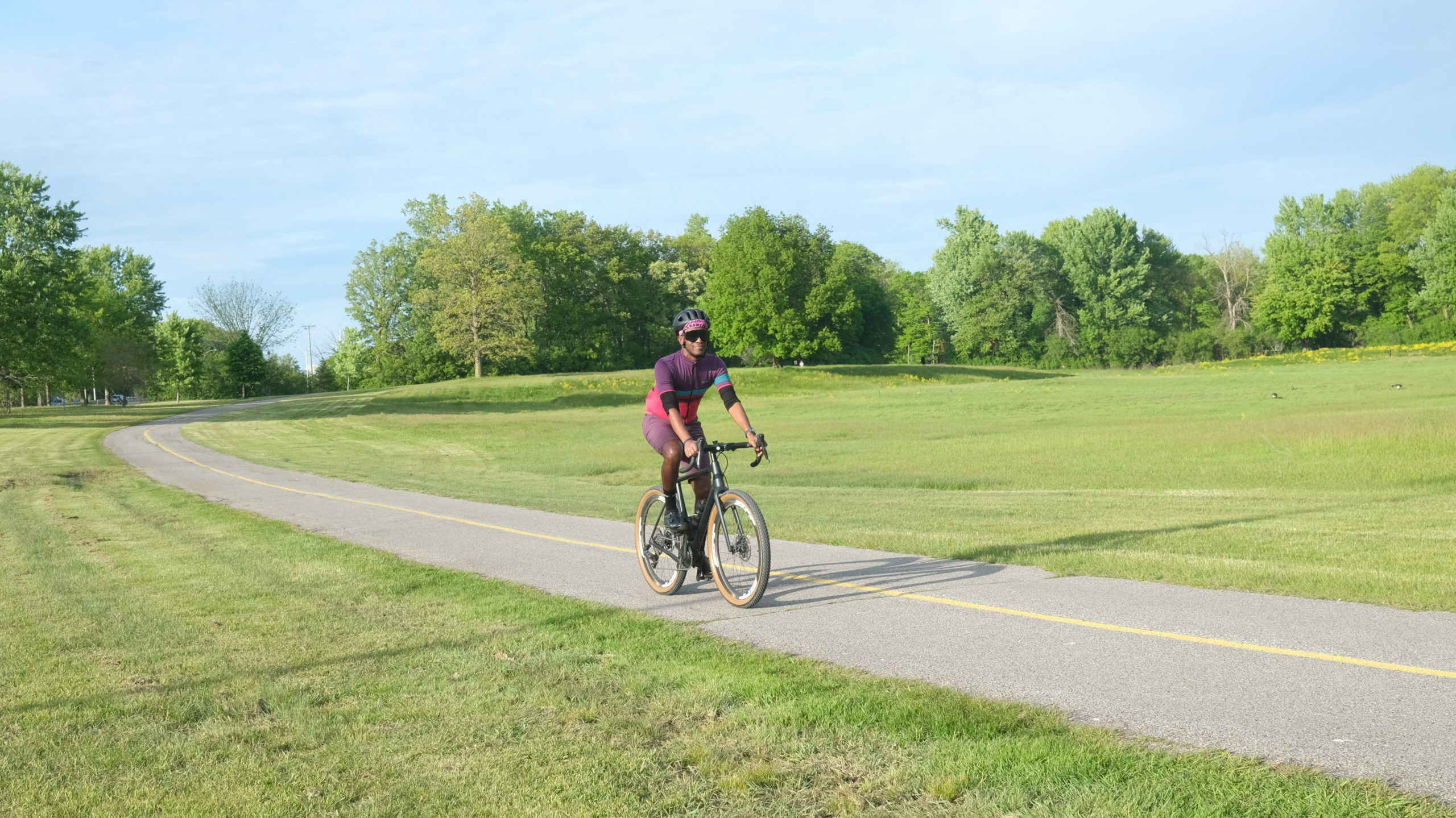
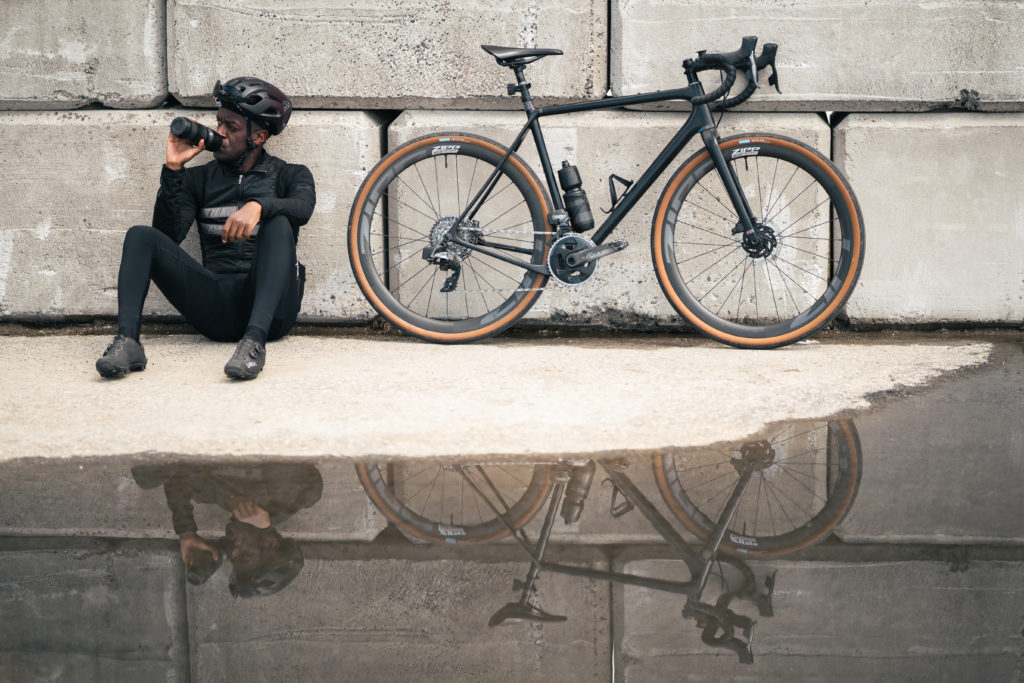
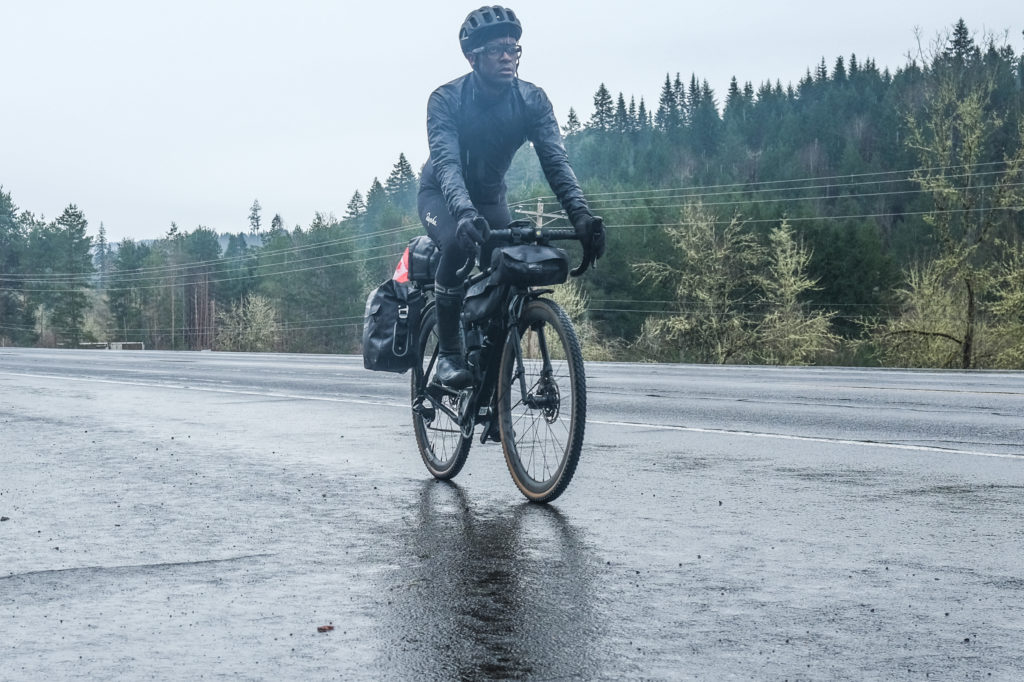
In June 2023, I journeyed to Kenya for a cycling safari, courtesy of Savanna Cycling, a bespoke cycling tour provider.
I will furnish a detailed debrief at a later stage, but for now, here are some images from this remarkable 10-day holiday on two wheels. I believe in popular culture this is referred to as a “photo dump”!
All photographs are kindly provided by Andrew Mutua Haines and Savanna Cycling.
This is a blog by JaBig, a Canadian DJ who is (as of this writing) about to cycle across Europe from North Cape, Norway to Tarifa to raise funds for World Bicycle Relief, in addition to embarking on a dream adventure of a lifetime.
When I decided to cycle across Europe this Summer 2023, to not only explore and experience this continent but also to raise funds for World Bicycle Relief, I spent almost two months agonising over which of my two geared bicycles to take on the 7500 km trip.
Those who have been following my adventures since my first ever know that from early 2016 to Spring 2017, I cycled across Canada, coast to coast to coast, in winter and on a fixed-gear bike, a Guinness World Record odyssey that changed my life as a person and as a personality as it propelled me to unexpected cycling fame, particularly ironic given that I had embarked on it to escape the uncomfortable rapidly rising fame that my DJ career was generating!
After pedalling close to 18,000 km on a fixed-gear bike, I quickly concluded that it was a one-time thing because if I wanted to have limbs that worked well into my golden days and if I wanted to be more efficient with my travels, I was better off getting a bicycle with gears.
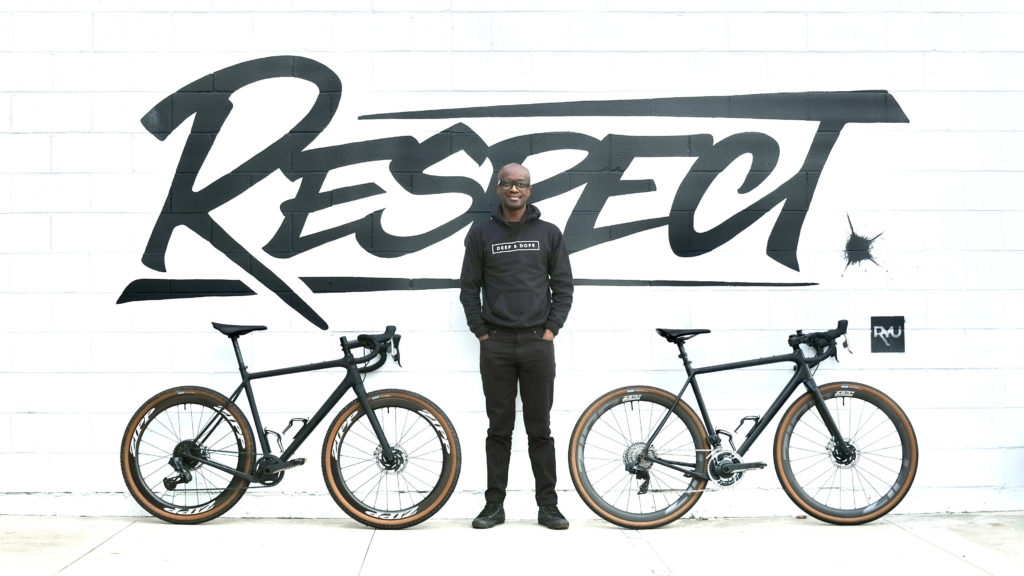
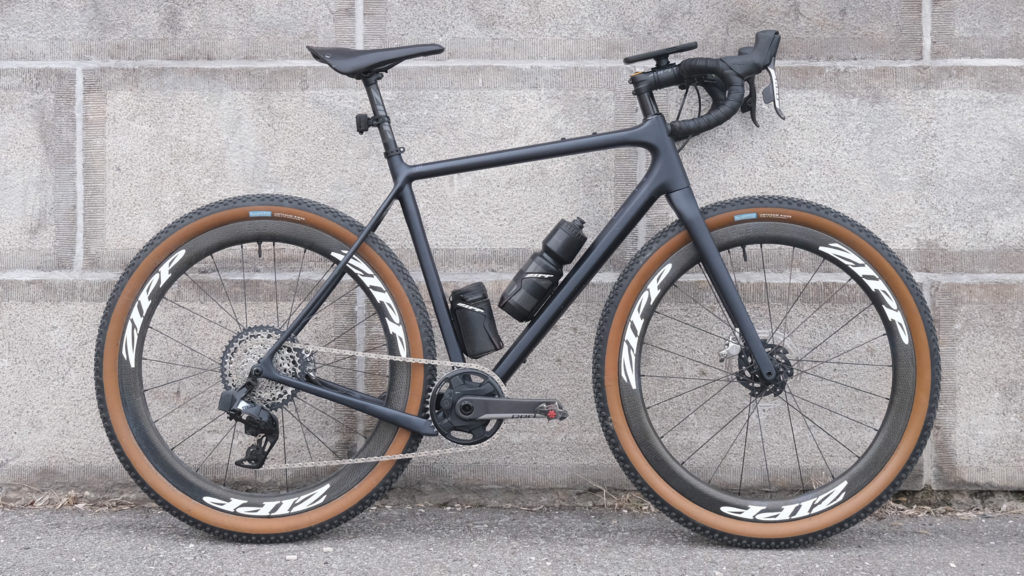
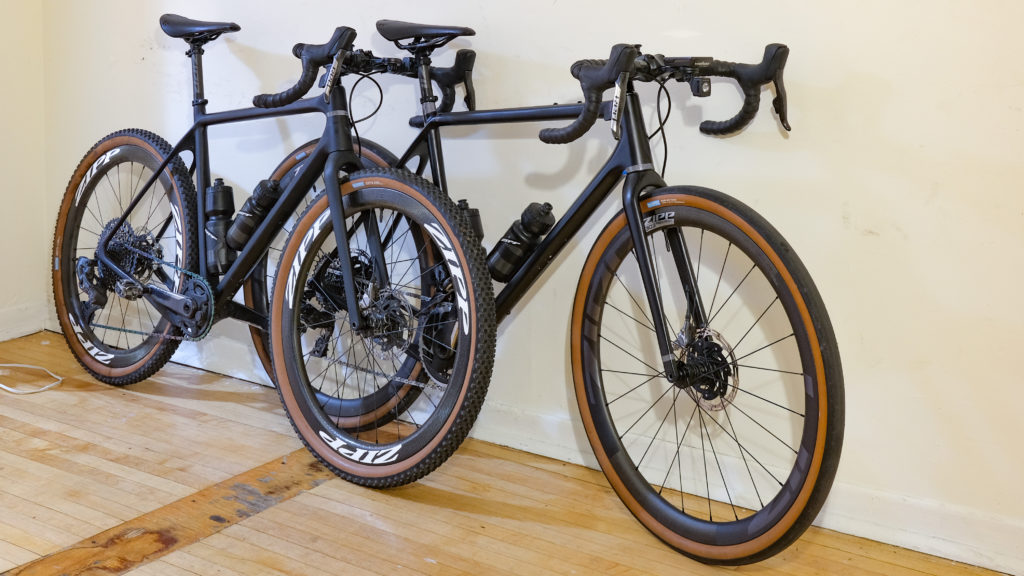
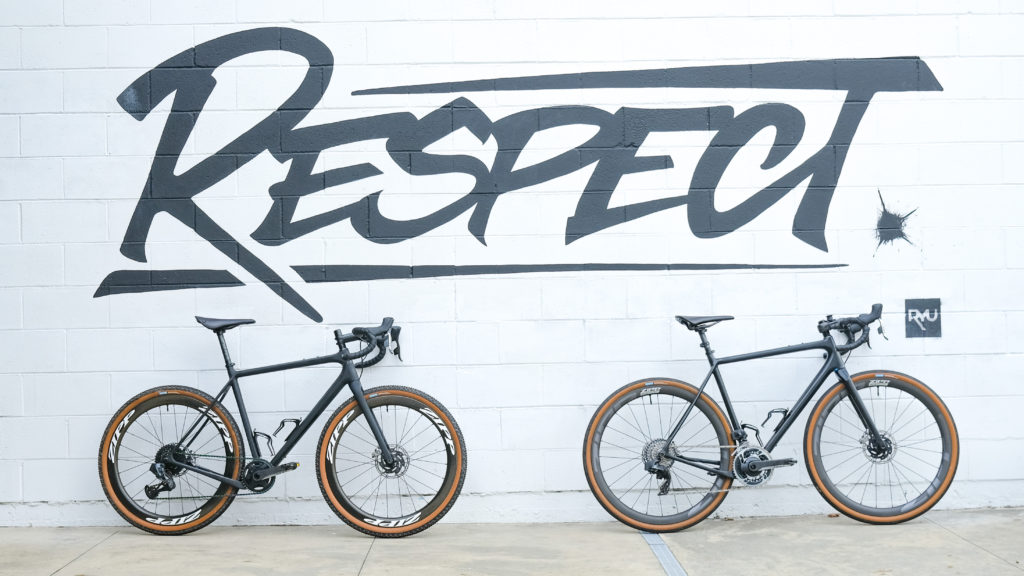
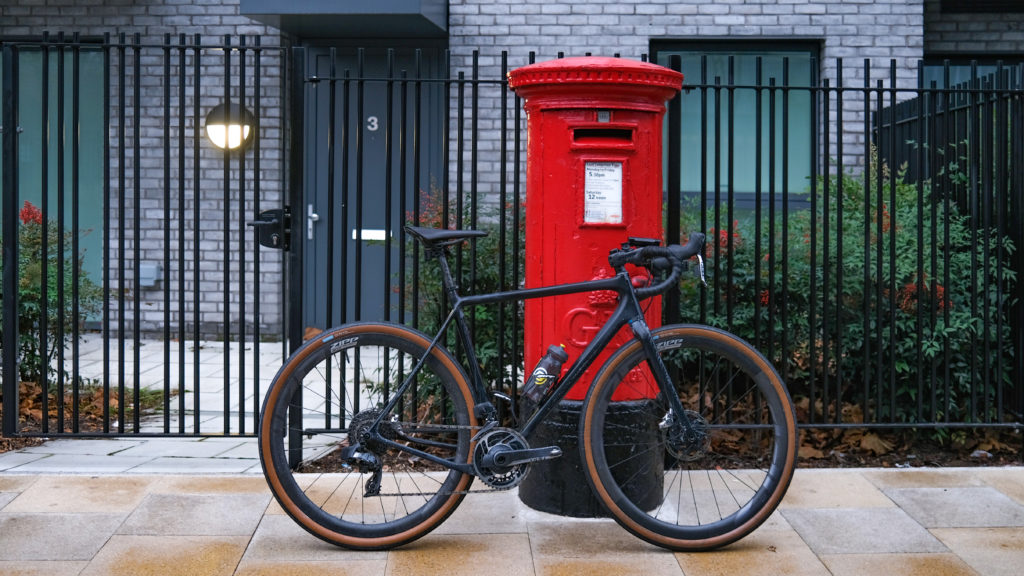
Fast forward to 2023 and I mostly ride geared bikes, namely the OPEN U.P.P.E.R. and the OPEN WI.DE..
If you are familiar with the brand, you’ll recognise it as the small Swiss cycling company that originated modern performance-based allroad or gravel bikes as they’re now commonly known.
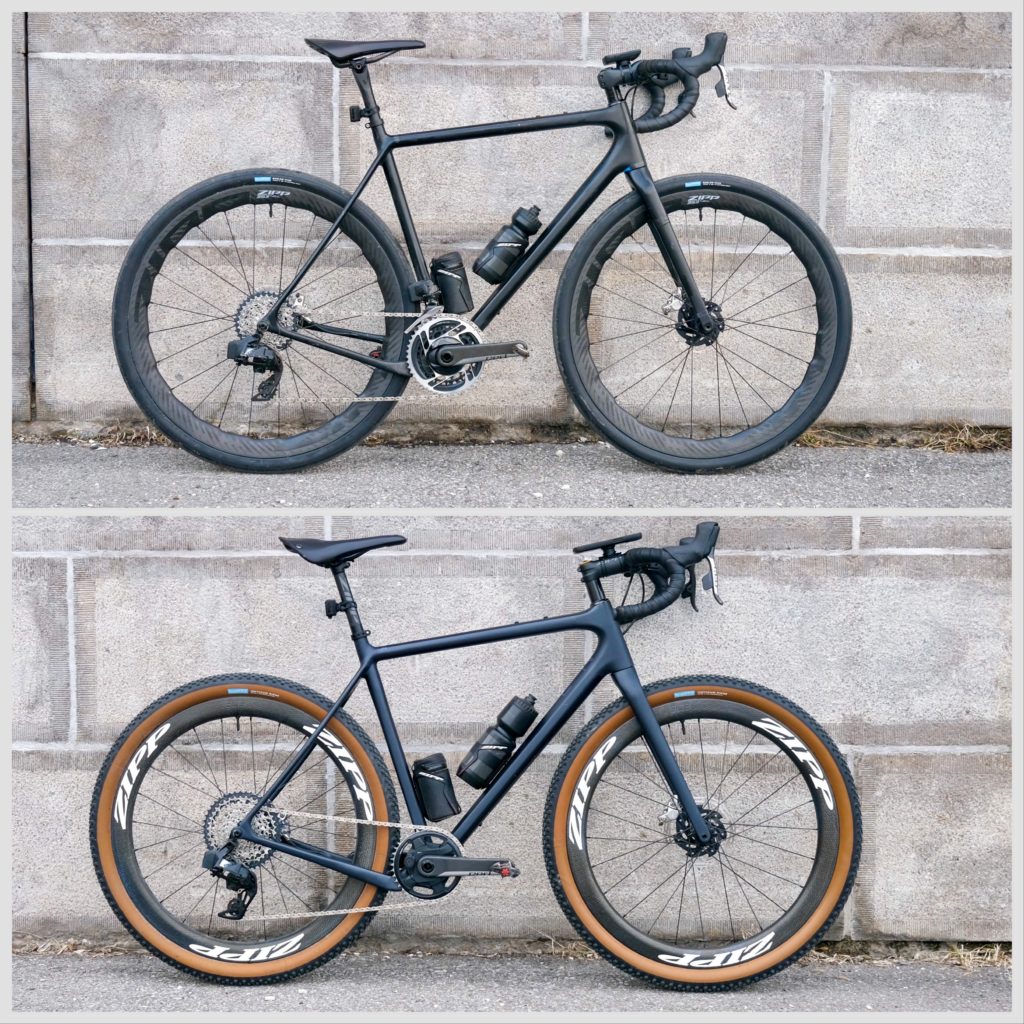
The difference between the two frames is that the WI.DE. accepts larger tires, has a more relaxed geometry and only runs a 1x drivetrain compared to its older sibling, the U.P.P.E.R..
While OPEN does sell bike builds on their site, they mostly sell frames to their customers and let each rider build theirs with components and accessories that best fit their cycling objectives.
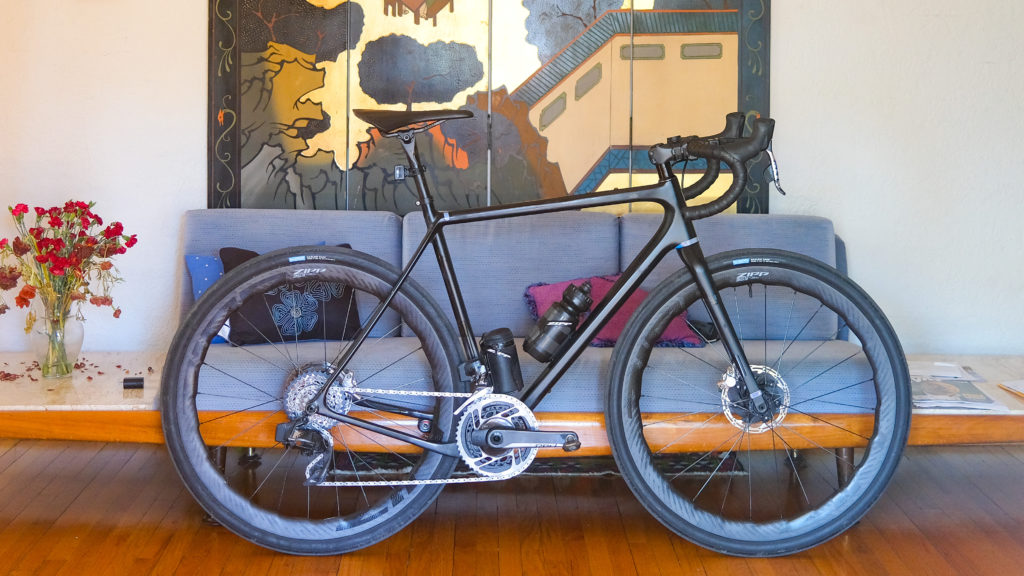
As someone who is fortunate to own and ride both frames extensively, I built the U.P.P.E.R. as a long-distance and endurance road bike that is best suited to asphalt but can also dabble on unpaved terrains and even the odd singletrack if it’s not too gnarly.
On the other hand, the WI.DE. was built as the ultimate gravel grinder which excels on almost all off-road surfaces and is perfectly at home on single track as long as no suspension is needed. The bonus? It surprisingly rides VERY well on paved roads.
To understand why, when it was time to make a decision on which of the two to take on my epic European expedition, I need to quickly list each one’s attributes and in parentheses the advantages those provide, some of which I have mentioned earlier.
U.P.P.E.R.: 2x drivetrain (more gears and they are closer together which is perfect for long-distance), lighter (better for climbing and carrying a bike up the stairs to the fifth floor of an Airbnb rental), runs 700c & 650B wheels (which accommodate 40 mm and 56 mm tires respectively which are very comfortable and can roll almost anywhere)
WI.DE.: wider tire clearance in 700c and 650B (46 mm and 61 mm respectively which makes the bike ultra comfortable and able to ride on any road paved or unpaved), more relaxed geometry (ideal position for long-distance rider as it’s not as tiring despite the aerodynamics penalty), 1x drivetrain (less prone to mechanical issues and a no-brainer to operate).
Overall my dilemma was between a lighter, more agile bike or an even more comfortable, goes-anywhere bike that is also less prone to mechanical issues thanks to its drivetrain simplicity.
My major “gripe” with the WI.DE. as a cross-continent bike was the 1x drivetrain which has wide gear jumps which can make finding the correct one in the wind, my implacable foe, a living hell. In nasty winds, from personal experience, one is either mashing (pedalling a hard gear) or spinning like a hamster and shifting all day trying to find the best place on the rear cog, all in vain.
My major “issue” with the U.P.P.E.R. is that once you have ridden mega-giant tires that its sibling can clear yet almost maintain the same speed, it’s hard to go back to narrower tires.
To put this in perspective, consider this.
I ride 700c x 38 on my road bike, aka the U.P.P.E.R., and people think that I am running a humongous tire which makes sense if they are riding the now industry standard, the 28 mm (those who still ride 23 mm would faint if they saw my road bike setup!).
When I throw my leg over the WI.DE. which can ride on 61 mm tires (on 650B wheels), the 38 mm suddenly feel less comfortable!
The wider the tire, the more comfortable any bike will be, even if you pay a negligible aerodynamic, weight and perhaps rolling resistance price.
By now you should have noticed that my focus is on comfort and not on speed. That is because I am not a fast rider and I stay in the saddle for months, so my priority is to be comfortable because I will be spending long days on that bike.
I pondered and pondered until I had to come to a conclusion.
Why not enjoy the best of both worlds???
I could enjoy a 2x, a lighter frame, yet extra wide tires.
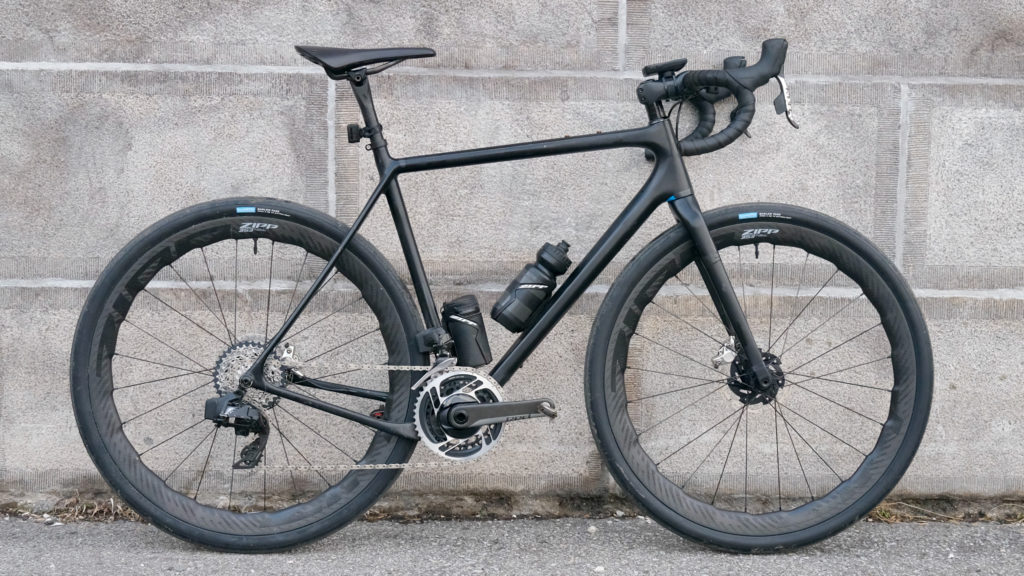
So I (my Phat Moose mechanics in Ottawa, to be clear!) took the 650B wheels off my OPEN WI.DE. and put them on my U.P.P.E.R. and voilà!
Unfortunately, the widest tire I can fit whilst running a 2x is a 48 mm (all my tires are by René Herse, for whom I am a brand ambassador) but on paved roads and good gravel it’s beyond heavenly in terms of comfort and manoeuvrability.
After I came up with the solution, I sent a quick email to Jan Heine, head honcho of René Herse asking for his opinion on the matter, and it turns out that he runs the same wheel/tire combo as I do, aka 650Bx48 mm because for him too, it’s the best of both worlds.
My route across Europe will be 98% paved surfaces and I like to believe that the continent has better roads than Canada, so my choice of bike is optimal, in my opinion, for the surface that I will be riding and for that 2% surprise.
All this is starting to come across as conjecture, so let’s get to the issue that really matters.
How does an OPEN U.P.P.E.R. that’s running a 2x and 650Bx48 (slick) tires feel?
On asphalt? It has become the best bike touring or endurance machine. Those wider tires will certainly come in handy when I add up to ten kilograms of bikepacking gear to the bike.
It has “gained” a little bit of weight but it’s less than a full water bottle, so essentially a non-issue given what I gain in return.
The other little downside is that a 2x requires two batteries versus the XPLR, a 1x groupset that I never really got to try to see if it would fare well on tour, which I suspect it would given its name, but I never got to really test it personally so I cannot form an informed expert opinion.
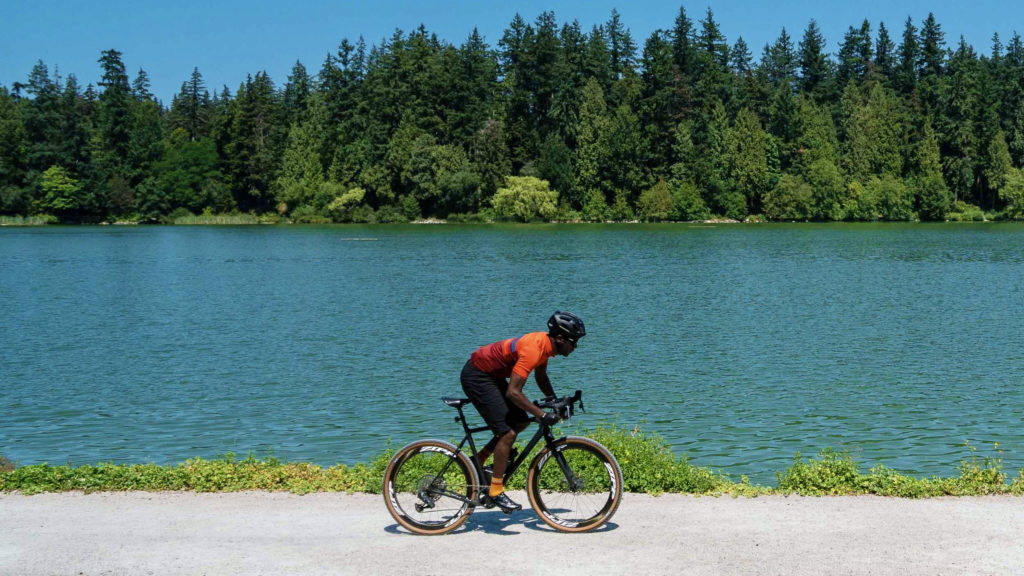
Before starting my trip across Europe, I travelled to Kenya for a cycling safari presented by Savanna Cycling. I was not going to take two bikes (cumbersome, redundant and expensive), so I took the U.P.P.E.R. in the configuration above, except that the René Herse 650B x 48 were treaded tires this time, as opposed to slicks.
It passed the test but last year I took the WI.DE on the same Kenyan scenic routes and it fared better, thanks to the even larger tires.
But that’s not a concern, because as I said, the U.P.P.E.R. will primarily be a pavement prince for the most part as it rolls from North Cape, Norway all the way to Tarifa, Spain.
So this is how I solved my dilemma. My Latin teacher in secondary school always told the class that whenever we faced two choices, the third one was the one to pick and a good 30+ years later, his theory is on the rivet as taking the best of both worlds was the best bet.
Bonus! Quick guide for those who cannot make up their mind between the two OPENs.
– If you will be riding mostly on the road and some “reasonable” gravel, pick the U.P. or U.P.P.E.R if you plan on having a 2x drivetrain.
– If you will be riding some serious gravel, the WI.DE. is your frame but the U.P. or U.P.P.E.R. will also work if you put a 1x on it as well as 650B so that you can put on a tire larger than 44 or 48.
– If you already own a road bike that you are happy with and want to start “gravelling”, get the WI.DE.. If you already own a MTB, a gravel bike or any that does off-road well, then get the U.P. or U.P.P.E.R..
– U.P. vs U.P.P.E.R.: If you want the best of the best, get the latter. But please note that the former is also good. Either way, you will be all smiles until the end of your days as these bikes are timeless.
– If I were your Latin teacher and you were facing a choice between the U.P and WI.DE., my answer to you would be two-worded: “Get both”. You will experience heaven in various ways with both. Build the first as a 700C, 2x for mostly road and the odd off-terrain, and the second as a monster 650B machine by maxing out the tire clearance with a knobby. That will be the duo that will go down in history!
Back to the programme…
Once I start my trip across Europe and when I finish it, I will share some thoughts on my choice of OPEN bike and will even update this article while on the road if, sorry: WHEN!, new points pop up…
This is a post by JaBig, a Canadian DJ who is (as of this writing) about to cycle across Europe from North Cape, Norway to Tarifa to raise funds for World Bicycle Relief, in addition to embarking on a dream adventure of a lifetime.
Without a doubt, the question I’m asked most frequently by fellow bicycle adventurers is why I don’t camp.
The short answer, to spare you reading my trademark novel-sized texts, is that I do not fancy it. At all.
Please note: not camping does not mean staying in expensive hotels or paying for accommodation for that matter! That is a whole other essay that I explore this feature!
For those who require a long, thorough answer…
Before I even delve into that, I want to clarify that I seldom ride after dark if I can help it. Percentage-wise, I would say that only 5% of my stages are covered in the dark, and by that, I mean early morning, late evenings or overnight.
The reason is that it’s not safe as visibility is poor for motorists who might not see me, and for me too, who might not spot all the obstacles on the road ahead despite the good headlight that I have. It also defeats the purpose of cycling places as the whole point of the expedition is to scenically experience the areas that I cover, and when it’s pitch black, there isn’t much to see.
Now onto why I don’t camp.
Bike touring is closely associated with camping. I would even say that for some, camping is the most exciting part of bicycle travel.
Not for me.
I have never camped as I personally don’t see the appeal in it and after a whole day of being outside battling the winds, the heat, the cold, the rain, the snow, the mosquitoes, motorists, dogs, and other animals, and so much other drama, at the end of my ride, I want to be indoors, have a very nice warm shower, a hot meal plus chocolate dessert then sleep in a comfortable bed if that’s available.
More than once, I have received some criticism from those who like to pitch a tent and sleep under the stars and who claim that my style of touring, which is also referred to as “credit card touring”, is “cheating” which I find baffling because I signed up for cycling across countries and, in this current case, across a continent, not to camp across the said masses of land!
The other reason I am not into camping, which I almost forgot to mention, is that it means that my bike will have to be loaded with extra weight from the camping and cooking gear, as well as other components and accessories required to ensure that someone has a pleasant night, if that’s even possible, I wonder.
I also don’t feel safe sleeping outside where there are not four solid walls to shield me from predators, to territorial herbivores such as elephants, buffalos, moose or worse: hippos, reptiles and so forth, without forgetting the most dangerous animal ever: the ill-intent human.
If I feel unsafe, I will not sleep as I will be super alert and if I don’t sleep, then I have just wasted my time as rest is essential for recovery as proper recovery is how I am able to ride the next morning feeling fresh and rejuvenated.
Camping is a whole other discipline and skill that adds up to what one already needs to cycle long distances across countries and continents. I don’t want to overwhelm myself and my brain by trying to add this skillset that I don’t really need to achieve my objectives.
Perhaps if I travelled with a group of knowledgeable people, I would consider it, as not only would I seek counsel from them but I would also feel safer from all the fears, founded or not, as mentioned earlier.
Another reason against camping is that I need to be able to wash my kit (cycling clothes) after each ride and let it dry overnight while I wear my off-bike clothing, which also acts as PJs. That’s how I am able to travel light.
So far, I have never been in a situation when I needed to camp. That is because it’s done by design, as explained in a previous post on how I map out routes for my bicycle adventures. I simply plan my routes from places with accommodation to other places with accommodation.
For example, one of my dream rides is to ride around Africa. Not across as most people do from Cairo to Cape Town or vice versa but to go around it like I did with the continental United States of America.
I started creating routes but somewhere between Morocco and Western Sahara, there is a 600 km or so with no human settlement which means that I cannot find accommodation, so I either would need to camp or hitchhike to be driven to the closest one, which would bother me because I like to ride all my rides, and it might also be a gamble as there might not be many motorists willing to carry me and my bike, and that’s if they have the vehicle for all that cargo to begin with!
Another case is when I rode across Canada on a fixed-gear bike in 2016 in Winter to set a Guinness World Record, as depicted in the documentary short film: “Escape”.
I would have never completed that trip because in the last 1000 km there were 600 km of those (odd coincidence!) that were just barren and daily temperatures dropped to -40C/F and while I did meet some brave souls that cycled and camped along the way when I eventually went ahead with it, I am not one of them.
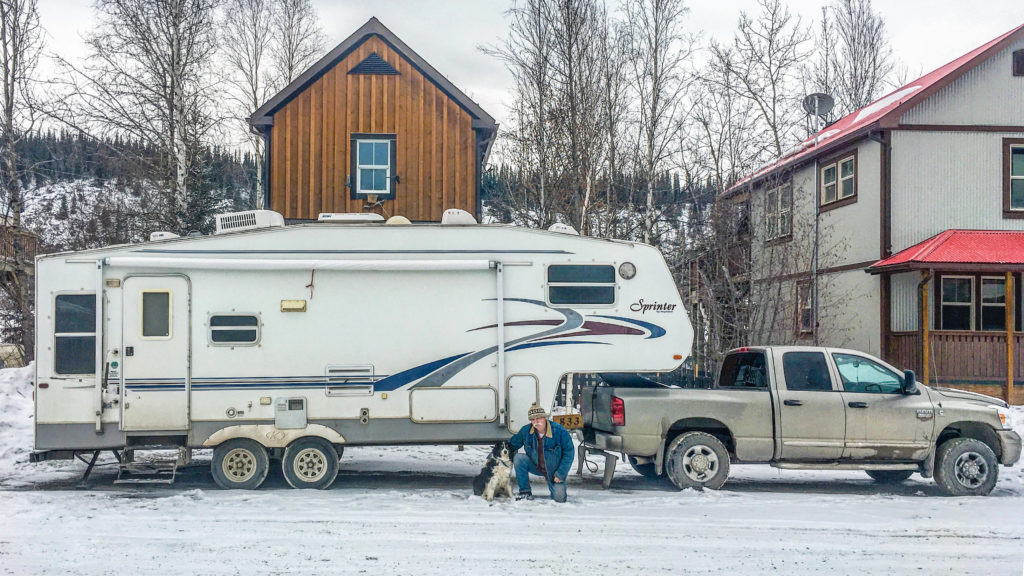
Fortunately for me, a man that had hosted me two months prior wanted to see that Northern part of Canada and offered to support me by driving his motorhome/RV/caravan all the way there so that I had a warm place to sleep, safe from the elements and wolves if they were hungry for an African-born appetiser, but to also provide me with food because that would have meant carrying three days’ worth of it and having to figure out how to unfreeze it before eating it.
All the above stories are to convey the notion that if I cannot find accommodation, I will simply scratch that ride, leg, or adventure and come up with another one. That is why, for instance, my Africa tour will only materialise if I have a support vehicle that can also act as a place to spend the night.
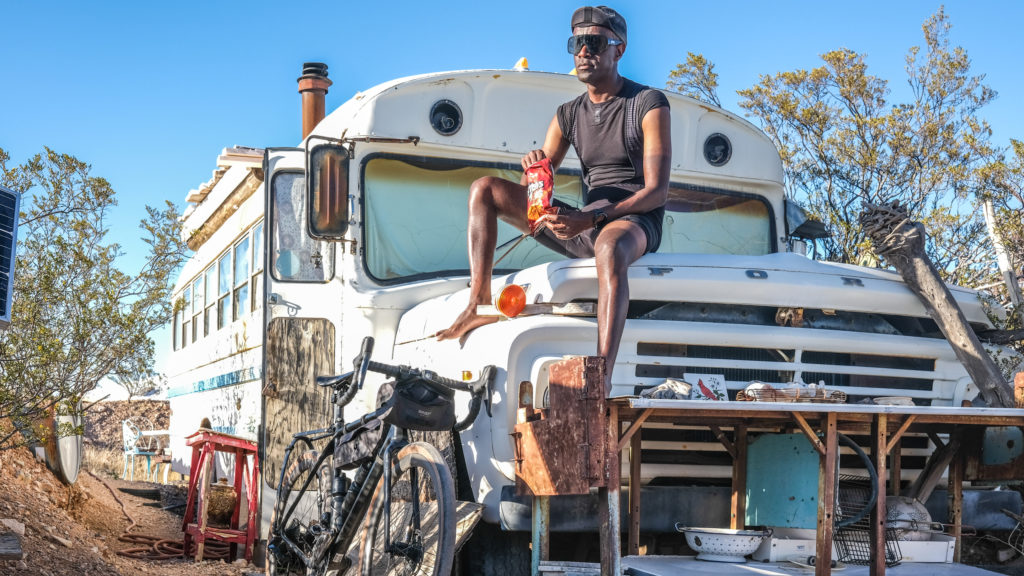
(When I was cycling around the United States of America in 2022, one of my hosts in New Mexico offered me accommodation in a decommissioned school bus that she once used to tour the entire country. It was one of the most restful sleeps I have EVER had in my life as it was in the wilderness but… behind four solid walls!)
But why not just learn and love how to camp? The answer: it’s not my cup of Rooibos.
It goes without saying that bike touring the way I do ends up being a little bit costlier than camping, which is very true if one is paying for accommodation every single night. In my case, I do it differently, which I will explain here.
However, I like to argue that travelling light by not camping makes me faster, which makes my trip shorter overall, hence fewer expenses. I have not run serious numbers on this, so please take it with a grain of salt!
Finally, by not camping, I get to connect with people and sometimes even create community. Most people go on bicycle adventures to run away from humans. In my case, it’s the highlight of the adventure. Always. The scenic places that I see eventually fade away from my memory but the fellowship that I have with people who host me or whom I meet at motels is what creates experiences that I will cherish forever.
To camp or not to camp whilst bike touring?
That is not a dilemma I ever have or wish to contend with. I don’t camp because that is not how I want to experience and explore the planet on my bicycle. That was also the short answer but if you are here, you don’t mind the long version!
That said… if you found this article useful and want to contribute to my accommodation budget, your contribution to my GoFundMe would be more than appreciated.
Postscript: Another reason why I am not too keen on camping is because my bicycle adventures are long. I could consider it if it was an overnight or a weekend. My shortest journey so far has lasted six months. 180 days in a tent? Not for me but I applaud and respect fully those all this appeals to!
This is a post by JaBig, a Canadian DJ who is (as of this writing) about to cycle across Europe from North Cape, Norway to Tarifa to raise funds for World Bicycle Relief, in addition to embarking on a dream adventure of a lifetime.
Given that I have no desire to entertain trolls, detractors, spammers, those who misinterpret me, and most importantly, I don’t wish to be influenced by the court of public opinion, this blog/journal stands as a space for unabridged expression.
This platform is my sanctuary, where I post as I please without the need to second guess every word or phrase and without fear of unwarranted backlash.
Additionally, I have no concern for likes, shares or any other forms of engagement. I acknowledge that this site has its own audience that keeps increasing daily thanks to the viral nature of the internet. I purposefully refuse to agonise over such metrics which is why I don’t measure them in the first place.
This is my safe haven and I won’t allow the pressures of editorial critique from the world at large, and even more crucially, from myself.
A fellow cyclist recently posed a query regarding the creation of my long-distance cycling journey routes. As I stand on the cusp of a 7,500 km adventure spanning from North Cape, Norway, to Tarifa, Spain — an adventure geared towards raising funds for World Bicycle Relief — it seemed a pertinent moment to shed light on the process. This is for those intrigued by the planning or looking to incorporate some of my best practices into their own trips.
It is crucial to remember that a route is the amalgamation of one’s riding aspirations tethered to the realm of the real.
Allow me to clarify. The construction of my route is contingent upon the kind of rides that pique my interest whilst simultaneously acknowledging the influence of external factors beyond my purview.
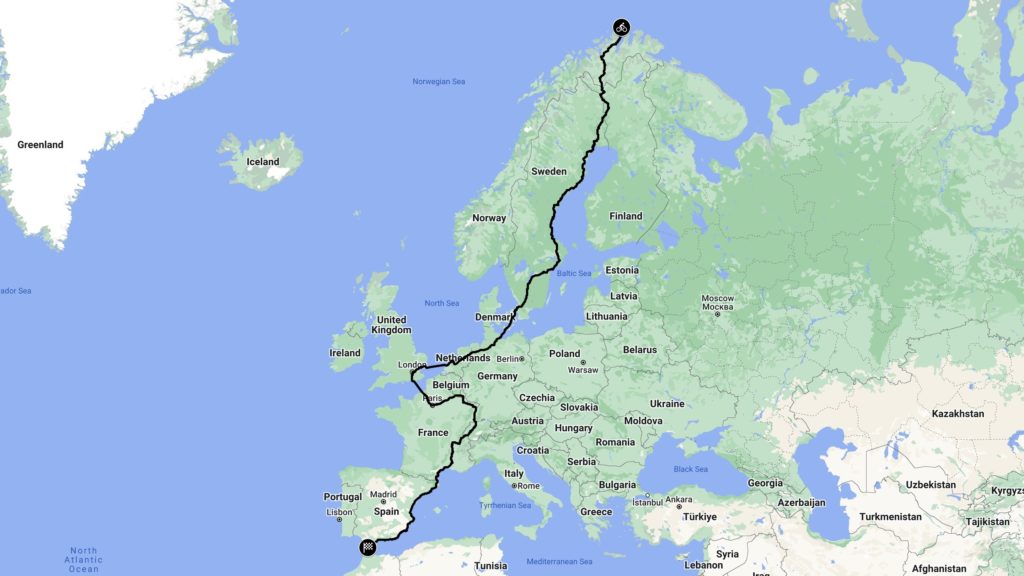
In the context of my European tour, my ambition was to trace the longest possible route from the northernmost point to the southernmost tip, traversing EVERY single country on the continent. However, the constraints of time, specifically a 90-day limit owing to the conditions of my Schengen visa as a Canadian citizen, curb this ambition.
Thus, my desire to traverse Europe from its extreme points is tempered by the essence of time.
This necessitates the creation of a route that is as swift as possible whilst trying to incorporate destinations that hold particular appeal to me. These could be due to their physical beauty or the allure of visiting friends residing in those locations.
It’s also essential to note that my travel itinerary considers my solitary travel nature and my preference for hotel accommodation. This means my route cannot deviate too extensively from civilisation unlike other cyclists who prefer to distance themselves as far as possible from populated areas.
Touching upon the Schengen tourist visa, the United Kingdom (not part of the zone) offers a unique advantage. As a Canadian citizen, I can “loiter” there for up to six months thus offering a strategic location for a well-earned respite without squandering precious visa days.
Whilst I have traversed the UK before and did not need to include it in my route, the strategic advantage it offers makes its inclusion sensible.
With these factors at play, the stage is set to commence the route creation utilising modern tools.
We are in the year 2023 and I have no need for traditional paper maps. Despite possessing the skills to decipher them, online maps offer superior efficiency.
The array of choices can be bewildering so I stick to two familiar and tested tools, namely Komoot and Google Maps. I have successfully relied on them to cycle across Canada for the second time, around the USA, and on various smaller trips in several countries.
I could also use RideWithGPS or Strava however I find them somewhat user-unfriendly, and lack the experience with these platforms.
Why does familiarity or experience matter in route creation tools?
Each platform operates in distinct ways however once accustomed to a particular tool through real-life reliance, you become intimately acquainted with its strengths and weaknesses.
Google Maps, for example, is proficient at city navigation but seems to falter in less urbanised areas. It also seems to overlook that in some areas, cyclists are permitted on motorways.
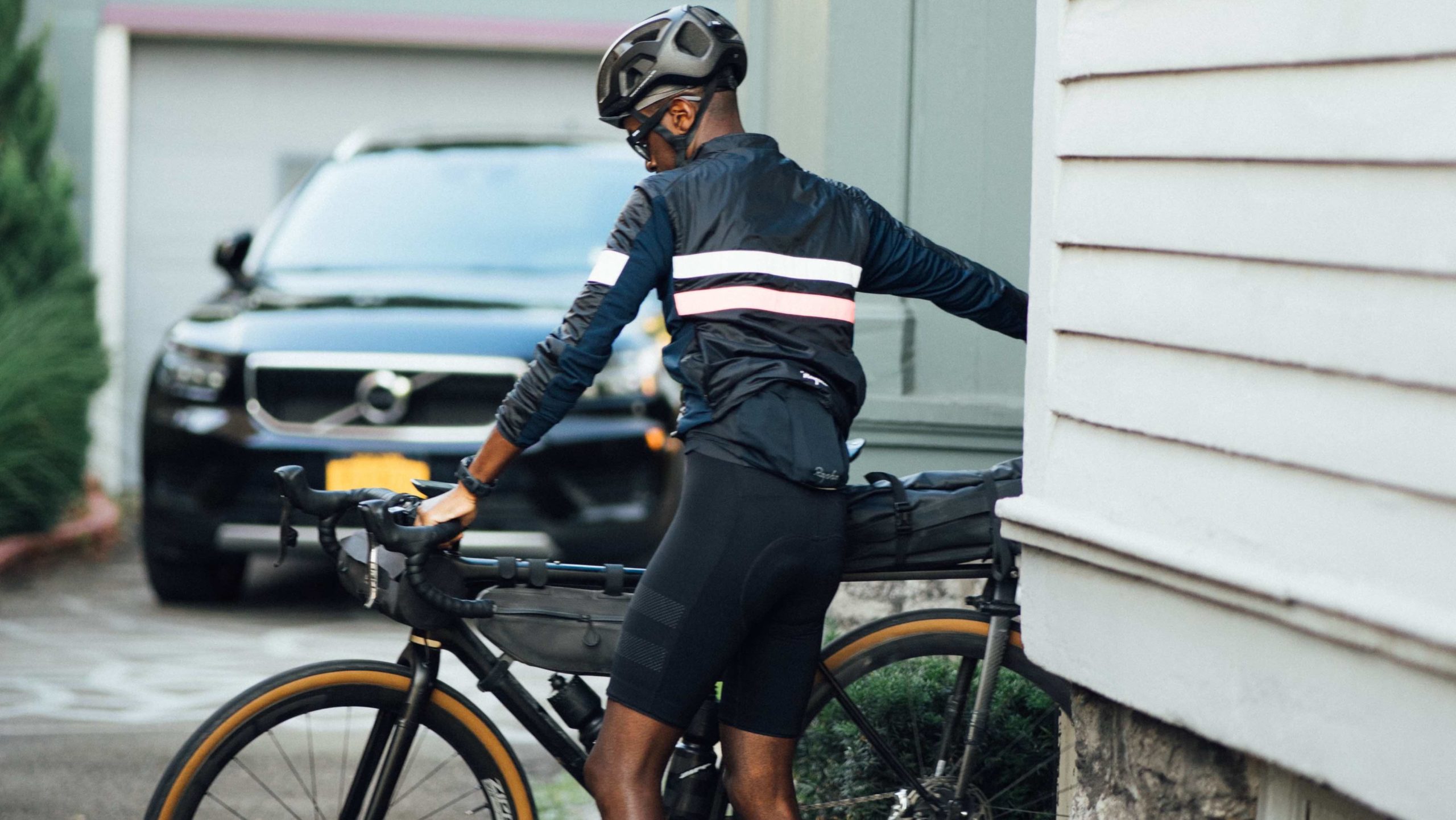
Komoot, on the other hand, provides three different route versions – ‘road’, for those keen on asphalt surfaces and undeterred by traffic; ‘touring’, typically following established, scenic roads with fewer steep inclines, catering to those with heavily laden bikes; and ‘gravel’, for those inclined to tread on unpaved roads. In my case, I’m comfortable with all options, even the latter as my extra-wide slick tyres can handle off-road terrain, barring muddy conditions.
So, how do I use both platforms?
I experiment with all three options on Komoot and then decide based on the distance first, and steep segments thereafter. For instance, if there’s a significant climb but I save 5 kilometres, I’ll opt for that route as it will save more time overall, particularly if a descent follows. If there’s a major climb but the alternative only adds an additional kilometre then I’ll go with the latter to conserve energy – a valuable strategy in long-distance cycling.
Safety is paramount, and if a shorter route, as indicated by Google Maps, falls on a bustling road without a shoulder, then I’ll use the “bike touring” mode to avoid potential hazards.
I often adjust the route to circumvent a hill to shorten the distance or force the route through an unpaved section if it seems logical to me. Google Maps serves to offer their route recommendations, provide a street view and timely updates on detours due to road works.
One cannot assume that the route creation will yield the best path as only locals truly know the ins and outs. Since I can’t personally reach out to them in every area for their insights, I turn to Strava Global Heatmap. It overlays everyone’s recorded rides and the darker a certain segment, the more frequently it’s used.
Once my routes are laid out, I cross-check them against Strava Global Heatmap to ensure I am following popular roads. This is particularly useful for roads frequented by commuters as they are typically safer and have fewer steep ascents.
Sidenote: When cycling across Canada, the need for route creating apps was redundant as there are only one or two highways that allow for the crossing of this expansive country. Essentially, if the sun wasn’t at my back in the morning and in my face by the evening, it implied that I was heading in the wrong direction, regardless of being on the right highway. Once the road ended and a body of water was in view, I knew I had reached the Arctic Ocean, signalling the conclusion of my trip!
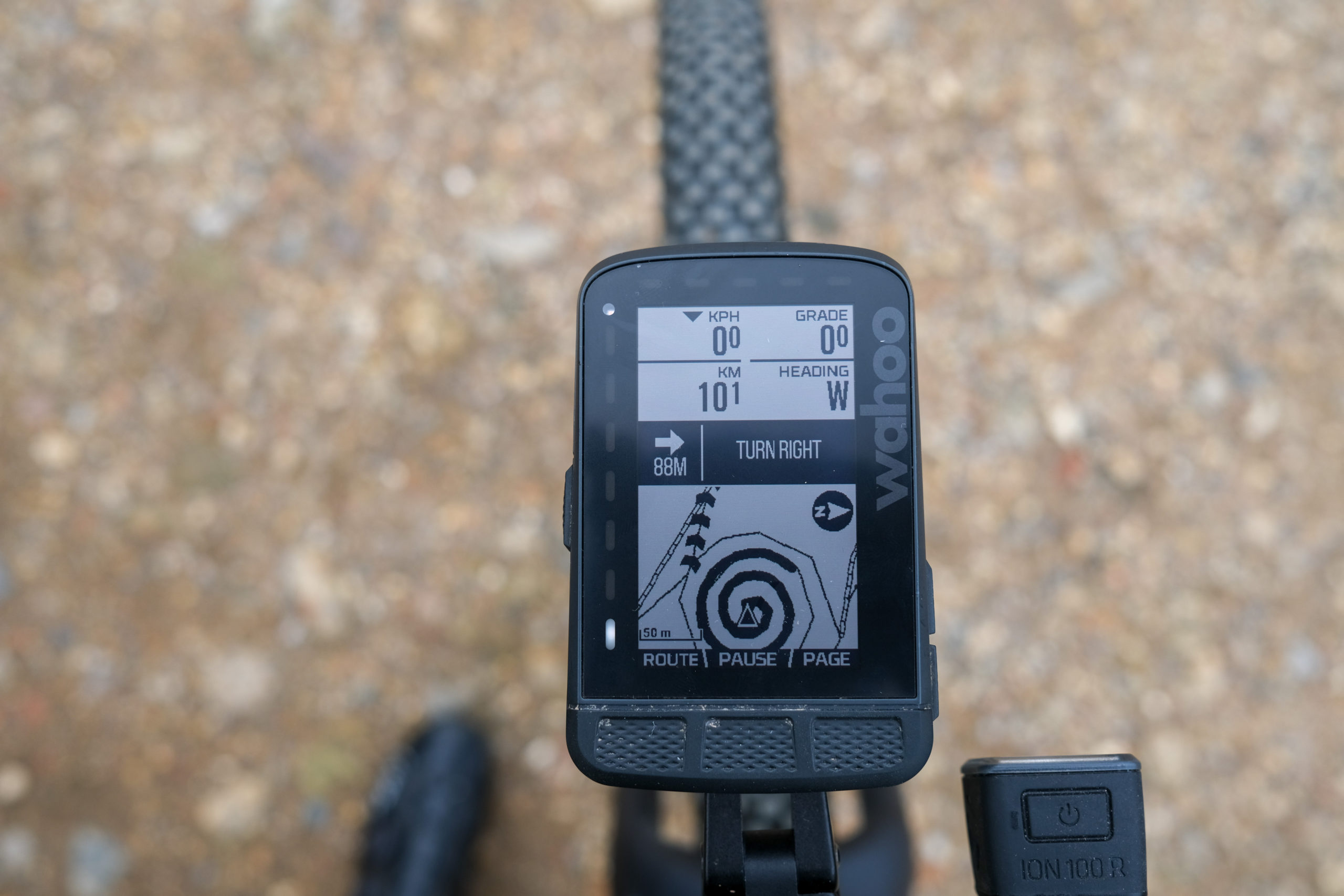
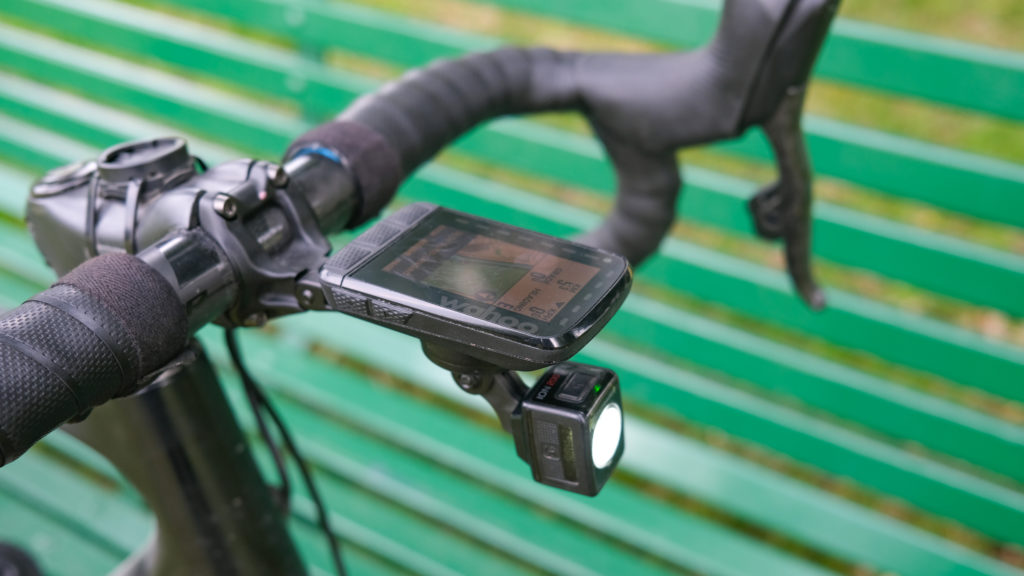
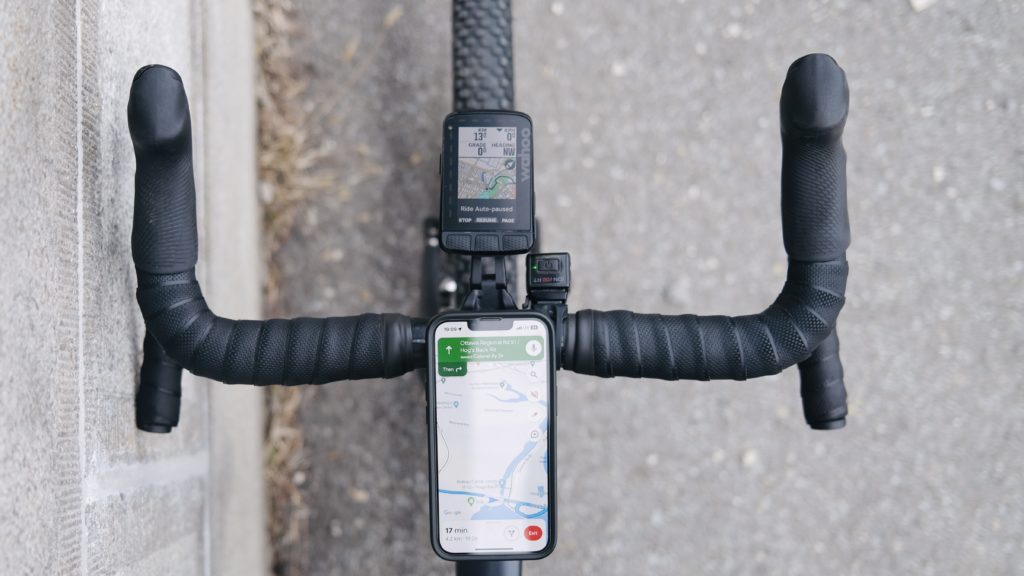
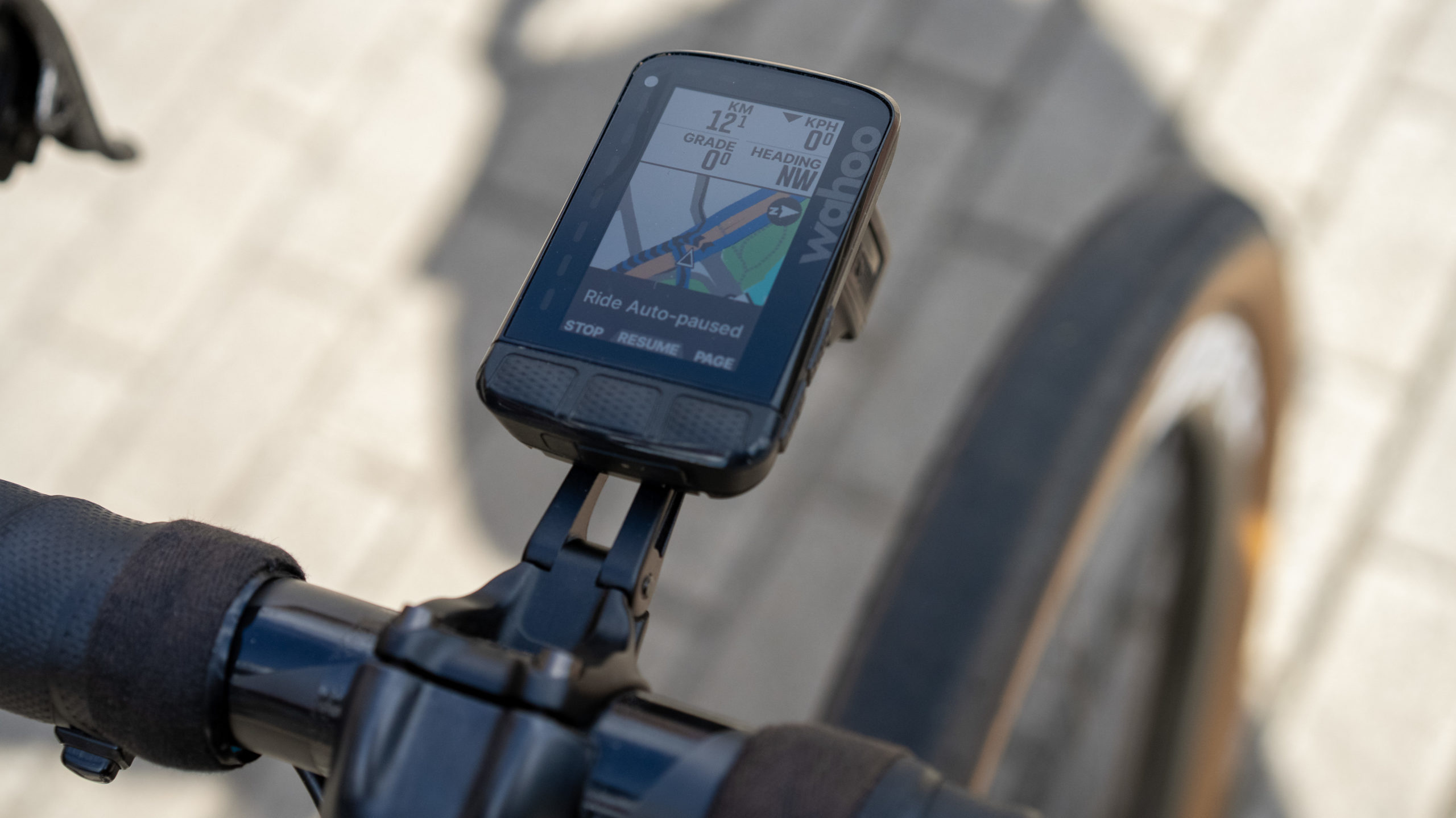
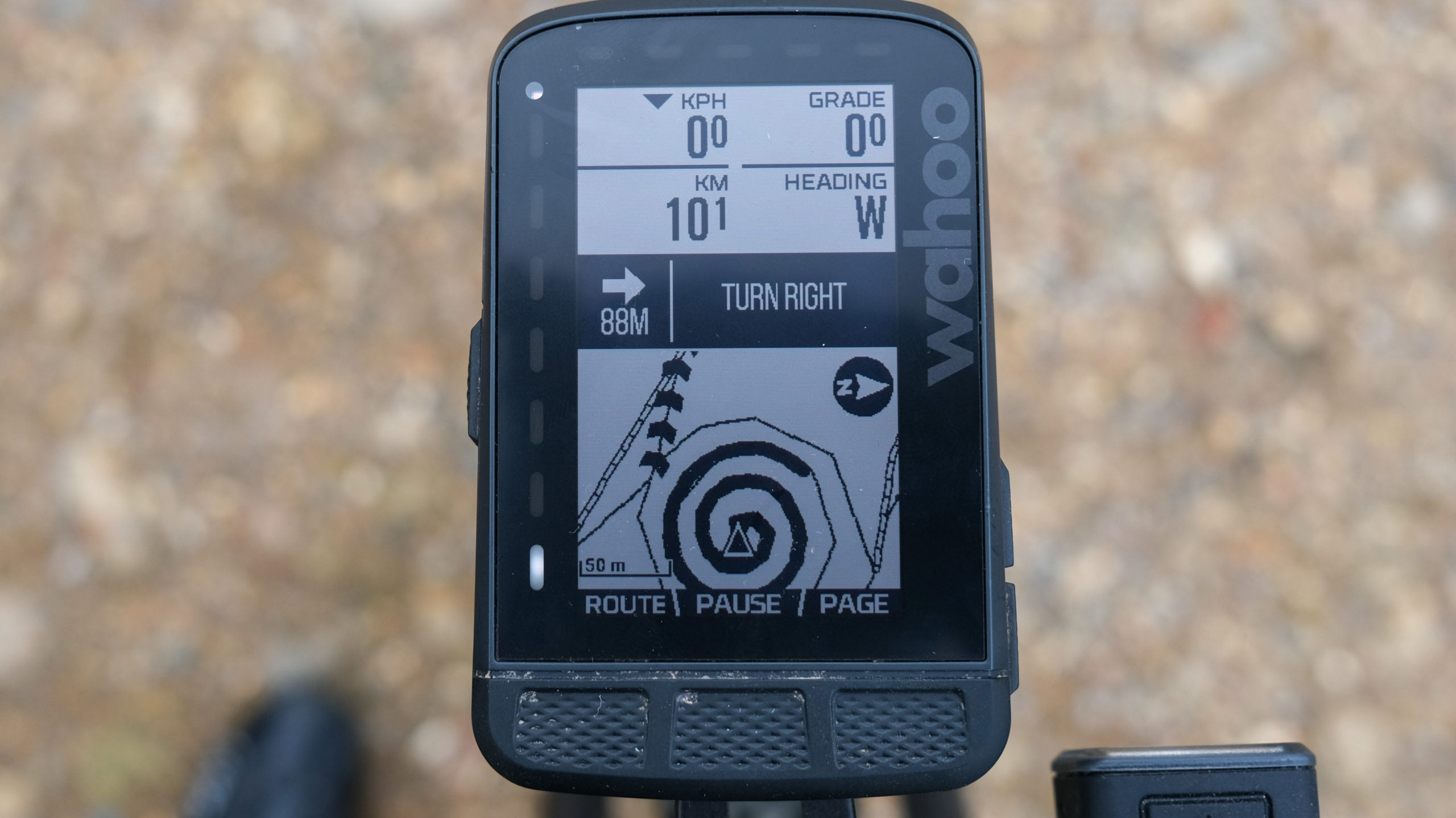
The next step is transferring these routes onto my Wahoo ROAM, a cycling computer device that assists with tracking distance, heart rate, power, weather, elevation, gradient percentage, and, of course, navigation.
My Wahoo Roam is synced with my Komoot account, allowing me to access my routes easily. I can select the route for the day, press “Start”, and I’m on my way! It’s really that straightforward.
The device also offers the added advantage of automatic redirection. If I deviate from the planned route for any reason, like a supermarket stop or detour due to construction, the device will guide me back to the original route.
One may wonder why I don’t use a phone for navigation, especially since the Quad Lock retention system enables comfortable positioning on the stem. I prefer to conserve my phone’s battery as it can prove invaluable in emergency situations. My Wahoo Roam can provide directions for up to 15 hours, while my phone wouldn’t last for more than three hours!
I should also mention that I first create an overall route then break it down into various stages. A stage means one ride. That is what I input to my Wahoo ROAM not the entire route as it would not make sense and also it would probably crash the device.
I believe I’ve touched on all the essential aspects of route creation. Having been immersed in this process since 2015, I may inadvertently overlook some steps that are now second nature to me, but might not be as apparent to a novice. I recommend checking out tutorials on YouTube where individuals with a knack for teaching can offer comprehensive explanations.
One final point to note: I make a conscious effort to memorise the map or at least familiarise myself with the key buildings, landmarks or parks I should encounter. This acts as a safety net in case my Wahoo Roam and phone run out of battery or get confused – life is indeed full of surprises. Having an idea of what to expect allows me to rely on memory for navigation rather than electronic devices.
While I could carry paper maps, I find there’s always some available in tourist spots or petrol stations. If I need one, I’ll grab it then and there, reducing the weight and volume of my luggage because, believe it or not, every gram is accounted for.
In conclusion, route creation is a craft that requires patience, research and a fair bit of creativity. Every route I create carries my personal touch and adheres to my safety standards and comfort level while also ensuring an element of fun and exploration. The process is definitely worth the time and effort as the reward is a safe and exciting journey on the open road.
This is a post by JaBig, a Canadian DJ who is (as of this writing) about to cycle across Europe from North Cape, Norway to Tarifa to raise funds for World Bicycle Relief, in addition to embarking on a dream adventure of a lifetime.
Before things get awkward, I feel the need to address a certain issue regarding ride alongs as I embark on my cycling journey across Europe this Summer 2023 to raise funds for World Bicycle Relief, the 7500 km journey from North Cape, Norway to Tarifa, Spain.
First and foremost, I want to express my immense gratitude for the incredible support I’ve received from cyclists across Europe and around the world who will be making special trips to join me along the way. Your presence and contribution to the charitable objective mean the world to those in rural Africa who urgently require mobility.
On my previous adventures, many people have joined me to cover distances and for the most part, it has been a smooth and enjoyable experience. However, I want to address a few important points to ensure clarity and avoid any misunderstandings.
It’s important to understand that I am a slow cyclist compared to most. While my cycling feats may surpass the average rider’s repertoire, whether on a journey or during my everyday rides, I maintain a slow pace. This means that if you’re significantly faster than me, I won’t be able to keep up and attempting to do so could result in exhaustion or even injury. Riding a faster bike and pushing my muscles beyond their usual limits is not something I’m accustomed to.
Additionally, my journey consists of a series of 50 rides, if I recall correctly. This requires me to pace myself and not go all out when we ride together, as I have many more trips to cover. While you may join me and ride vigorously, it’s important to keep in mind that I’ll need to continue riding the following day and beyond while you may have a break for a few days or a week.
The above points explain why it’s crucial for the ride-along to match my speed if we wish to stay together. However, if you prefer to ride on the same road but at your own pace, you are more than welcome and we can meet at the finish line of that day’s stage.
During my second cross-Canada ride in 2020, amidst the pandemic, a group of new friends graciously helped block the headwind during a 200 km stage which was an incredible gift. It resulted in the fastest 200 km I’ve ever covered in my life with an average speed of 30 km/h compared to my usual 20 km/h without wind and challenging climbs.
However, the consequence of that fast-paced ride was significant exhaustion, leading to a two-day break for rest and recovery. Unfortunately, it also meant that I couldn’t reschedule three of my motel bookings due to fully booked rooms. Consequently, I had to take a busier and riskier route to find available accommodation.
This story illustrates how seemingly small decisions can have a big impact and pushing beyond my abilities can create problems for me. Therefore, it’s essential to ride within my capabilities to ensure a smooth “sailing” for everyone involved.
I also want to mention that I do take occasional stops to capture photos of the beautiful scenery or document the ride for my personal memories and social media content. I apologise in advance if this interrupts the flow of the ride for some individuals but it’s an integral part of the journey for me.
What seems to work well for most people is riding with me at my pace and when it’s time to turn back, enjoying a faster return trip while I continue at my casual speed.
I understand that this article may seem a bit peculiar but on this trip across Europe, I anticipate riding with more people than usual as I aim to make it a community event. Therefore, it’s crucial to address these points that some people may not be aware of to ensure a positive and enjoyable experience for all involved.
There is one ride, however, where I will be going all out – the final ride to Tarifa. After reaching this milestone, I will be taking a well-deserved long break, as my adventure across Europe will come to an end!
Thank you for your understanding, and let’s make this European journey an incredible and memorable one together!
This is a post by JaBig, a Canadian DJ who is (as of this writing) about to cycle across Europe from North Cape, Norway to Tarifa to raise funds for World Bicycle Relief, in addition to embarking on a dream adventure of a lifetime.
Undoubtedly, the most tedious, dull and vexing part of any bicycle adventure large or small is arranging the logistics, whether one is supported (has a team following in a car) or unsupported (travelling solo).
This is the most unglamorous yet most crucial aspect of such journeys, which for the most part will dictate how pleasant or unpleasant the overall experience will be.
Since my return from a two-week enchanting Kenya cycling safari experience as a brand ambassador of Savanna Cycling, I am dedicating this week to fine-tuning my exact route, my accommodation, my meals, my safety protocols, checking the weather, triple inspections of my bicycle (I have a seat tube collar that needs replacing which would have been a serious issue, for instance) and more.
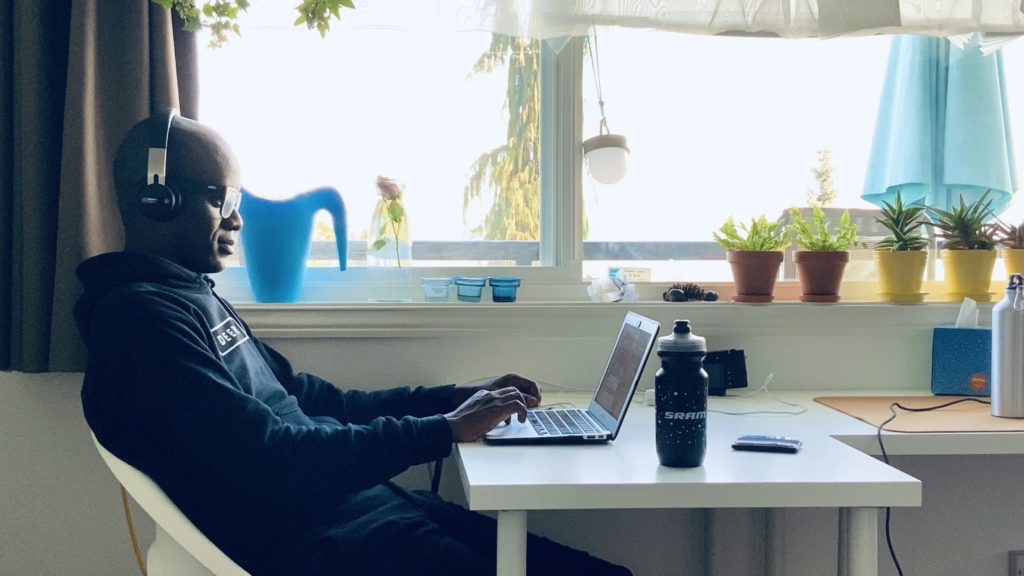
These are tasks that are performed in an office-like environment as I sit in front of my computer tending to them so that on the ride, I can focus solely on the… ride!
Naturally, I am not focused on the entire trip from North Cape, Norway to Tarifa, Spain since a lot can happen along the way. If for instance I am delayed by one week, I have to redo everything. So it is best to do it in chunks or legs.
On this European trip, I have a number of “chapters” or segments that I have come up with to break down the journey.
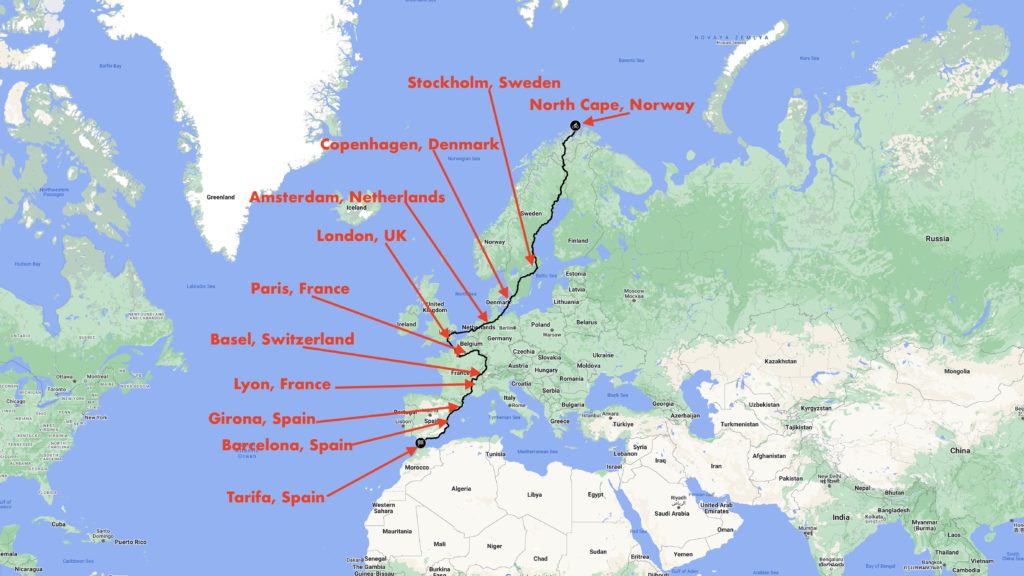
North Cape-Stockholm, Stockholm-Copenhagen, Copenhagen-Amsterdam, Amsterdam-London, London-Paris, Paris-Basel, Basel-Lyon, Lyon-Girona, Girona-Barcelona and finally Barcelona-Tarifa.
So that means that I plan for one leg and once there, I take a mandatory break and use it to plan the next stage and so forth. That allows me to not lose my sanity by getting overwhelmed if I dared plan the entire thing.
Let me give you an example of how things can get frustrating.
Let us say that I am riding from Paris to London which requires a ferry crossing.
If the ferry is cancelled, that means that my arrival in Paris will change as well as the departure.
So that means that I have to cancel my Paris booking and try to move it to the following night. But! I might have decided to stay with a friend who can only host me that day since the following one they have family coming, so I have to make alternative plans and do the same for all the tour stops until I get to Basel.
If I tried to pre-plan the entire trip, I would be buried in logistical nightmares and would never make it which is why breaking it down is more effective and to be quite honest, more efficient.
As I write this, I am delaying the start of my tour by a few days because there are three cities where I am struggling to find affordable accommodation since I do not have friends, fans or contacts in that Northern part of Sweden.
This is an adventure but since I do not camp, I never gamble on cycling to a place without my accommodation sorted out because that could seriously mean sleeping outside, a prospect that I am not equipped for and to be quite honest, one that does not appeal to me because that is my preference.
So out of prudence, I would rather stay in Amsterdam where I have community, my computer, Internet access and where it is a familiar place and properly confirm everything from North Cape to Stockholm before booking a flight to the starting point.
This is how I eliminate stress from my trips. I have to deal with motor vehicles, winds, endless climbs and other issues that are a part of riding bicycles across continents so I make sure to take care of what I can control so that when the unforeseen happens, I have less on my plate.
So when will my trip start? Answer: as soon as I figure out accommodation in Enontekiö, Pajala and Luleå… and when my upset tummy chooses peace!
This is a post by JaBig, a Canadian DJ who is (as of this writing) about to cycle across Europe from North Cape, Norway to Tarifa to raise funds for World Bicycle Relief, in addition to embarking on a dream adventure of a lifetime.
As the countdown to my grand adventure for World Bicycle Relief begins, I find myself in a reflective, contemplative state. I question what I’ve signed myself up for and grapple with an internal tug of war between fight and flight responses as the departure deadline approaches!
Here is an example of what’s been brewing in my head today, for instance…
While on my cycling safari in Kenya with Savanna Cycling, we took game drives during the early mornings and late nights, observing wildlife too dangerous to approach by bicycle.
Most might imagine fearsome predators however even lions can be cycled past in a group – though I wouldn’t personally want to test this theory.
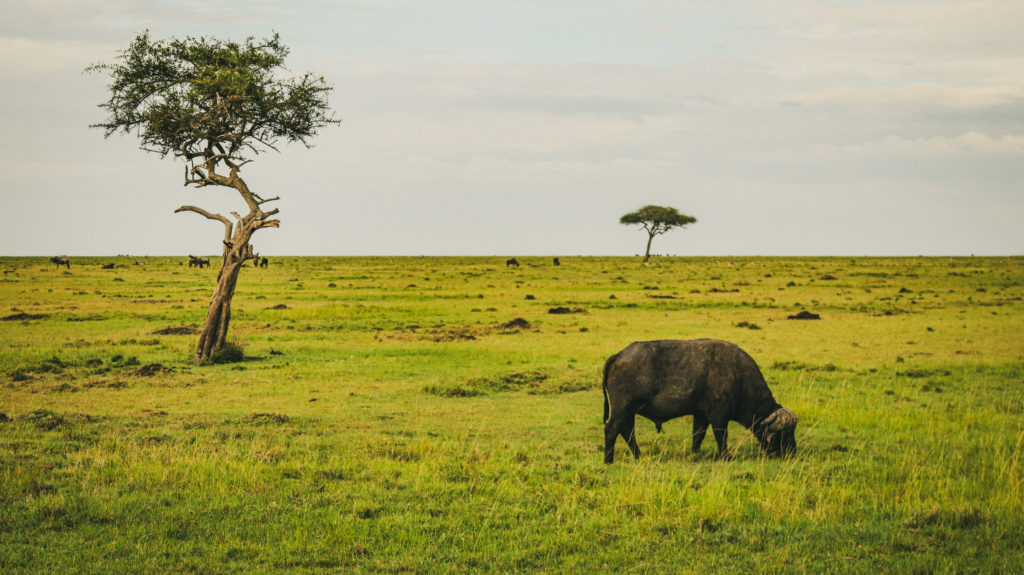
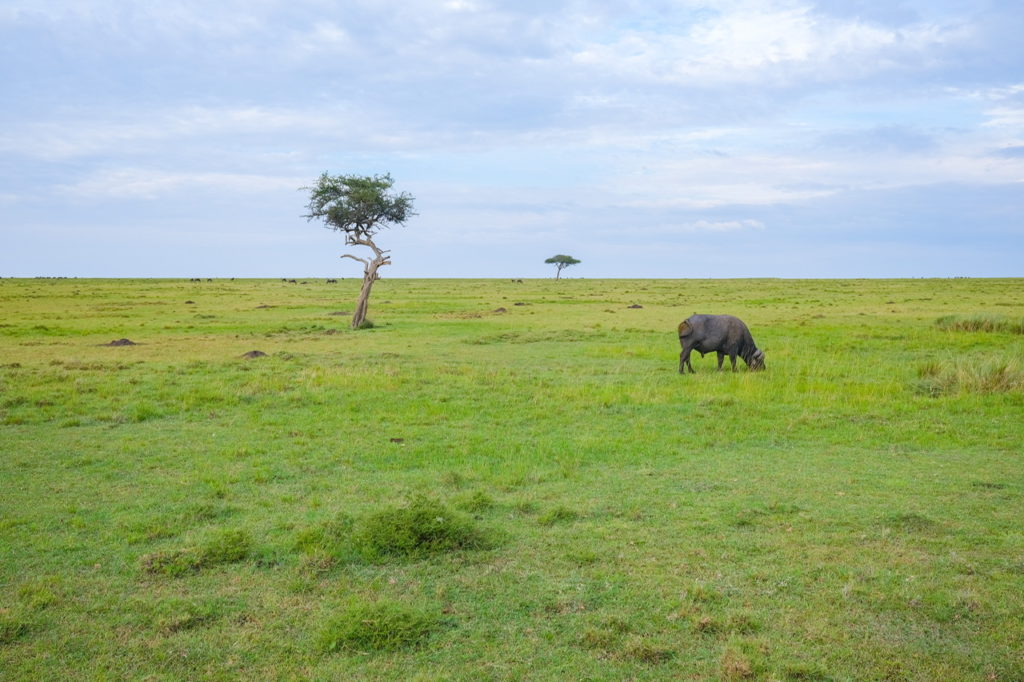
Having seen all of the ‘big five’ multiple times, I often found myself captivated more by the sweeping savanna than the animals themselves – unless we came across lone buffalos.
There’s something about solitary animals in the Maasai Mara that strikes a chord with me, especially buffalos. Being alone in the wilderness is usually a consequence, not a choice.
Often these animals are bachelors, too weak, old, or injured to stay with the herd.
Their solitude exposes them to new challenges, like predators, finding food alone and the pangs of loneliness.
I can’t help but look at them with empathy, silently offering a prayer from a safe distance.
Solitary creatures like these buffalos are extremely dangerous, inspiring more fear in local humans than predators do.
Hippos might be the only animals that are more dangerous, unless we include disease-carrying mosquitoes in the mix.
As I gear up for my solo bike ride across Europe, I feel an odd kinship with this solitary buffalo I photographed one morning in Maasai Mara. I too will be out there, mostly alone, navigating foreign lands.
The key difference being, of course, my solitude is a choice, unlike the lone buffalo (unless he was intentionally avoiding ‘herd beef’ – pun intended!).
Not sure where I’m going with this however I’m sure many of you will understand the parallel I’m trying to draw.
Without fail, the worst part of any of my adventures is the pre-journey jitters. I become so stressed out, anxious, filled with self-doubt and downright scared of what I am about to embark upon.
This upcoming cross-Europe bicycle trip is no different as I am slowly turning into a nervous wreck, wondering if it will go as planned, if I will gather enough funds to cover my expenses, if I will raise enough funds for World Bicycle Relief, if I will manage to navigate the language barriers in countries where English and French are not readily spoken, if I am fit for it, if my bike and equipment are in top-notch condition and so much more that I hesitate to list here because it will merely exacerbate those fears.
On paper, this should be my easiest ride. On paper.
My first ride across Canada in mainly winter on a fixed-gear bike will forever be the most challenging as it was the first adventure in my life; the winter seasons were brutal and the bicycle with only one gear made matters even more challenging.
The second ride across Canada in 2020 was easy from a pedalling perspective as I was a now seasoned cyclist and I had a bike with plenty of gears but logistically it was tedious as the lockdown made finding accommodation difficult.
Most establishments had been forced to remain shut due to a lack of travellers and the few available ones were all booked, not merely because of the shortage of supply but due to increased activity as some provinces used that slowdown to repair some highways. Consequently, all the construction workers, who hailed from far, booked all the available rooms for months.
The trip around the USA in 2022, my most recent one, was comfortable to ride except in truly windy segments; since the country is populated, it was not a challenge to find accommodation and financially it was rather affordable. My only issues there were minor, mainly related to some motorists not in the mood to share the roads that I was legally allowed to ride on.
This North Cape, Norway to Tarifa, Spain, odyssey is a very popular journey worldwide and it has been accomplished by a number of riders. Europe is more bicycle friendly which means that I should be safe being on roadways with motor vehicle traffic and most countries have a high density which means that I will never feel in the middle of nowhere as there will always be a community within 100 km (62 miles) even in the Northern regions which are less populated.
So what is causing me so much angst?
I believe it is the fear of the unknown and financial stability. I have read countless journals of previous travellers to those parts and it does not seem bad at all but it appears that I only trust my own observations. Therefore, only when I start pedalling will I have a clear idea and good or bad, I will feel much better because I will be in control… so perhaps control is the issue. Once I am in contact with potential obstacles then I will be able to work on them!
The financial aspects always make me nervous because so many things can go wrong, and despite reading that in most countries I will be more than fine except the Northern ones, Norway, Finland, Sweden and Denmark, where accommodation and food can be quite costly.
As I write this, I realise that it is Northern Europe that is giving me pre-journey jitters, so putting them on paper just shed light on my fears and perhaps I can address them better now that I can identify them. So, thank goodness for me wanting to write this blog post for those who are not on social media or who are not fans of Instagram and Facebook, the platforms I am most active on!
That is quite an epiphany, upon reflection.
Once I ride past the four Northern European countries and get into Germany, heading all the way to Spain, I have enough family members, friends and fans to turn to should things go awry. I also know that their cities and towns are so close to each other that I do not have to pedal 100 km (62 miles) if I am not feeling up to it to reach the next community. The maps show that there are always reasonably sized communities every 50 km (31 miles) or so!
So I suppose that now I have figured out what is gnawing at me, I can focus on the part of the trip which is causing the most stress, North Cape, Norway to Copenhagen, Denmark, which according to my planning should take me 20 days, including rest and recovery ones.
It is also the weather there that is puzzling me. It will be summer, but in Northern Europe, which is close to the Arctic, it means 12°C (54°F) which can be warm or cold depending on humidity and wind and as I travel south things will warm up but again it will vary.
That means that packing for such weather whilst trying to be as nimble and light as possible, because all that weight slows down in the wind and on the climbs, is a challenge. However, I believe that I will just be crafty about it in a post that I will share in another article, not to clutter up this one.
Now that I know what is stressing me out, it is time to start stressing about how to stop stressing about what is stressing me out.
Stay tuned!
This is a post by JaBig, a Canadian DJ who is about to cycle across Europe from North Cape, Norway to Tarifa to raise funds for World Bicycle Relief, in addition to embarking on a dream adventure of a lifetime.
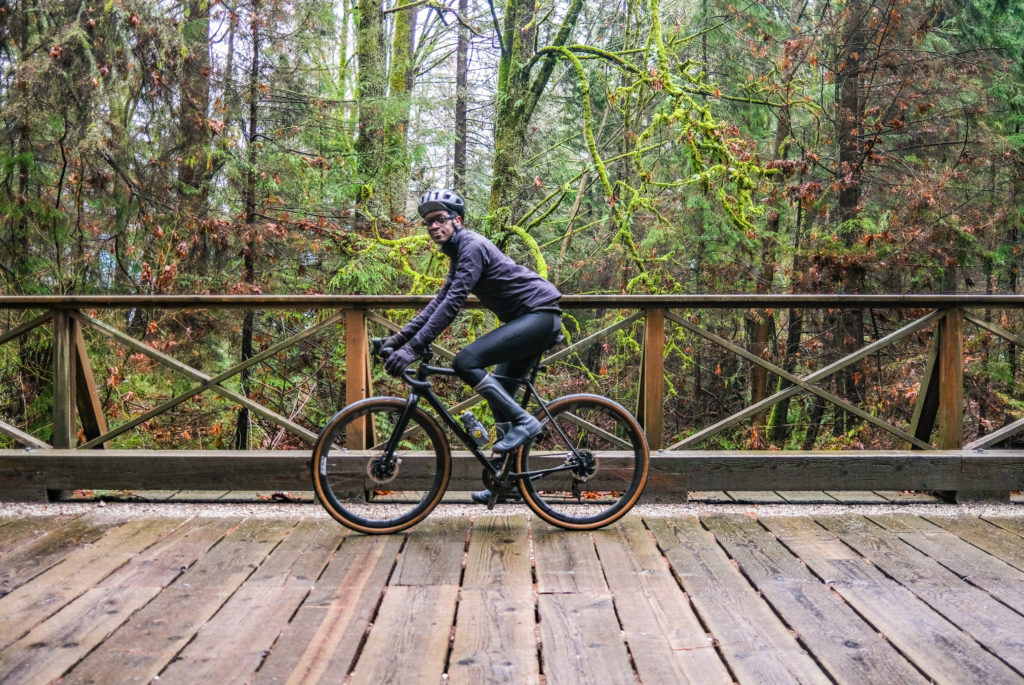
Picture this: it’s a rainy Sunday morning, and you’re gearing up for the first Chain Gang Cyclists gravel ride and brunch of the season. As you arrive at Richmond Park, your fellow cyclists can’t help but notice your unique choice of footwear.
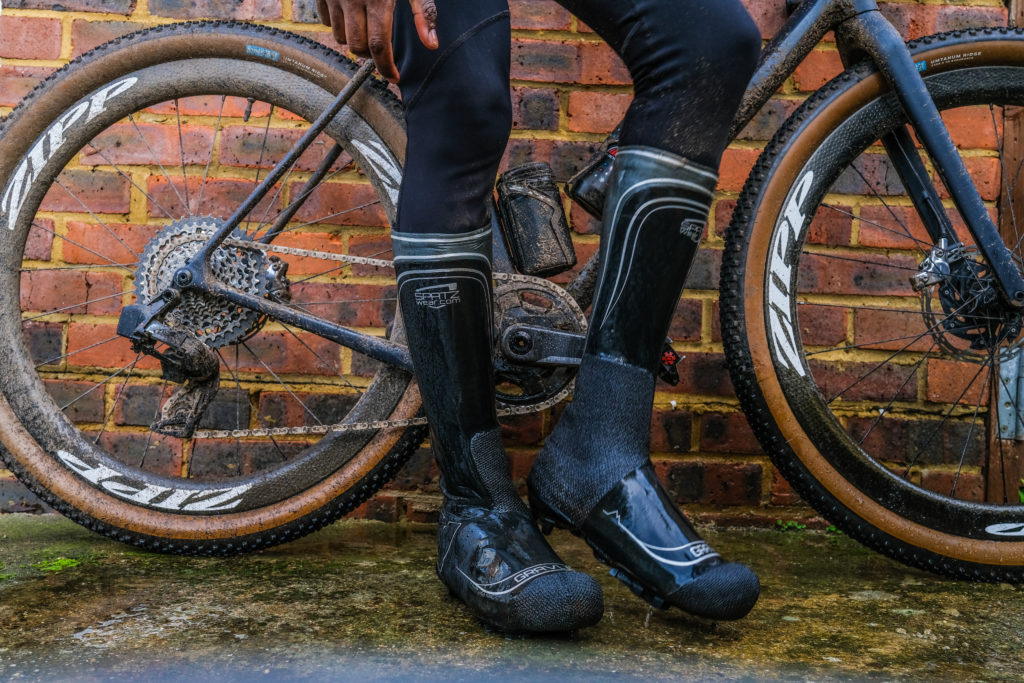
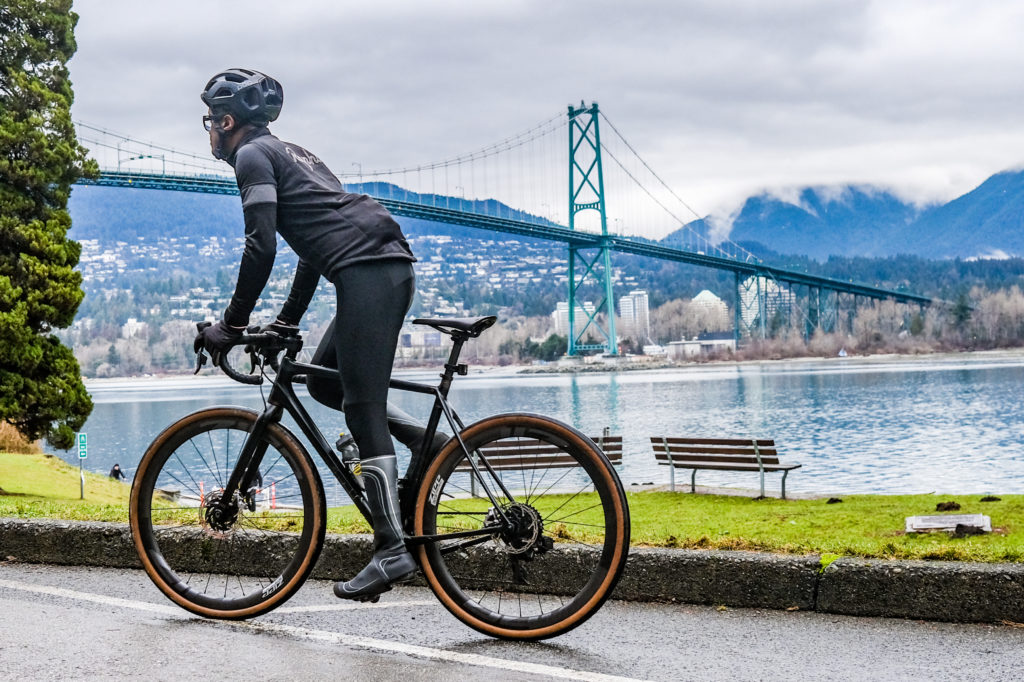
Decked out in a pair of fantastic cycling overshoes from British company Spatz Wear, you’re ready to tackle the elements with confidence. In this article, we’ll discuss the benefits of investing in cycling overshoes or bike shoe covers and how they can make your ride more enjoyable, even in the most challenging weather conditions.
The Magic of Cycling Overshoes
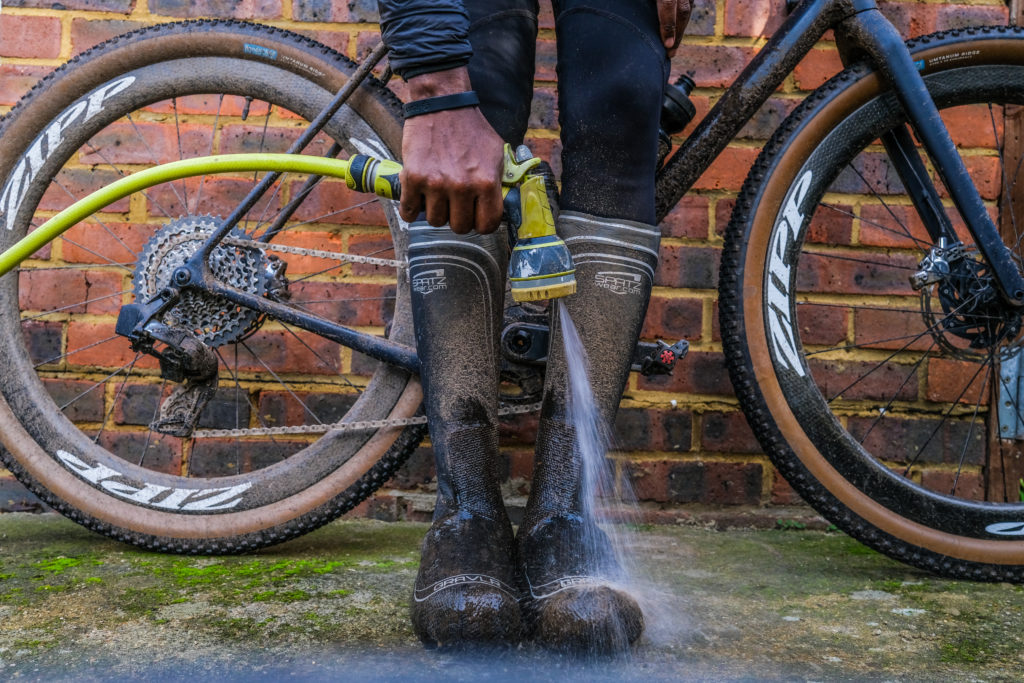
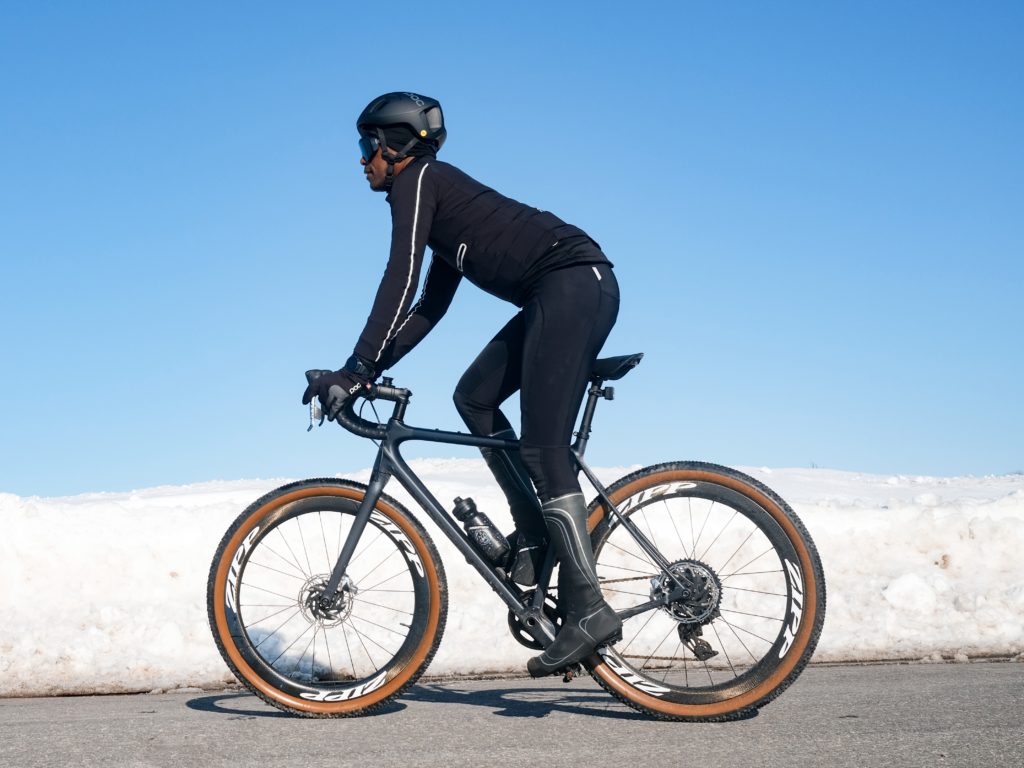
At first glance, these cycling overshoes might look like boots, but they’re actually neoprene shoe covers that slide over your regular Lake MX 332 LITE cycling shoes. Designed to protect both your shoes and your shins from road spray, mud, and even snow (for those of us who are Canadian!), these handy bike shoe covers work to keep your feet warm and dry throughout your ride.
If you’re like me, you know that cold and wet fingers and feet can quickly turn an enjoyable ride into a miserable experience. So, do cycling overshoes really make a difference? The answer is a resounding yes! After a ride, simply give your overshoes a quick hose down, and you’ll find that your shoes underneath are clean and dry—saving you precious time and effort on post-ride clean-up.
While it might take a bit of patience to put these overshoes on, the GRAVL models from Spatz come with a handy zipper to make the process easier. Keep in mind that if the weather isn’t cold enough, your feet might get too warm and sweaty, but as long as you’re wearing merino wool socks and keep moving, the neoprene material should help keep your feet warm and comfortable.
How Cycling Overshoes Compare to Winter Shoes and Boots
You might be wondering why you should bother with cycling overshoes when there are winter shoes and boots available, like those from Lake. The simple answer is versatility and convenience. When you’re on the road, the last thing you want is to carry an extra pair of bulky footwear.
If you’re planning to ride for weeks in cold, rainy, or snowy conditions, winter shoes or boots might be a better option. However, for rides in areas like Kenya, mainland Europe, and the UK, where the weather is “generally” dry and warm, cycling overshoes offer a practical and lightweight solution for those unexpected cold and wet days.
Conclusion: No More Excuses for Skipping Rides
In summary, cycling overshoes, like the Spatz, are an excellent investment for cyclists looking to keep their feet warm and dry during unpredictable weather conditions. By eliminating the need for additional footwear and providing an effective barrier against the elements, these bike shoe covers make it easier than ever to get out and ride, no matter the forecast.
So, the next time you’re tempted to skip a ride because of less-than-ideal weather, remember that cycling overshoes can be your secret weapon for conquering the elements with ease. Happy riding!