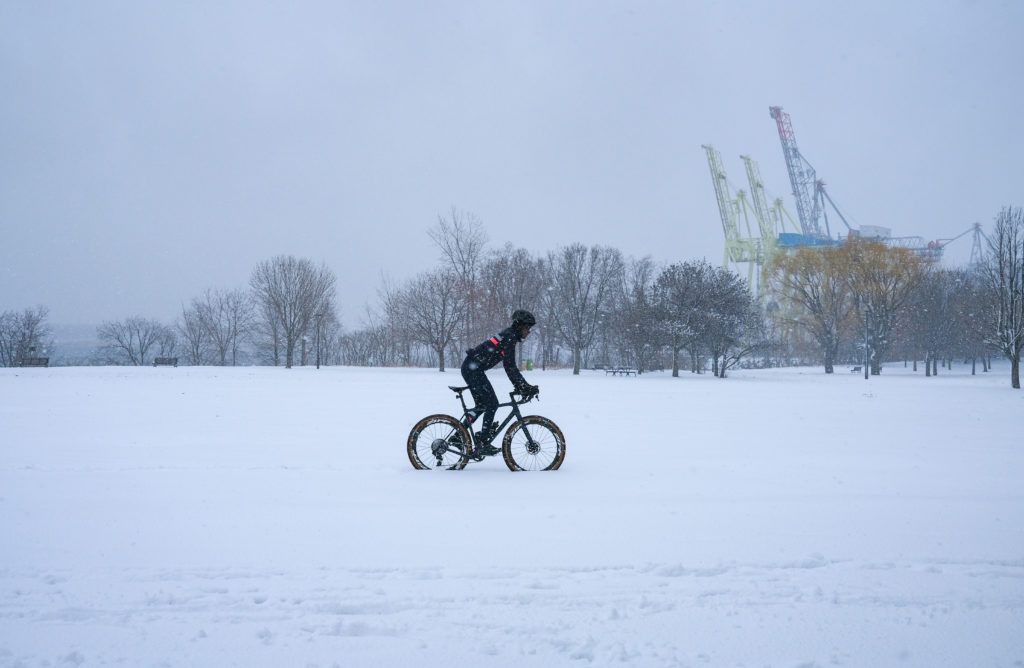
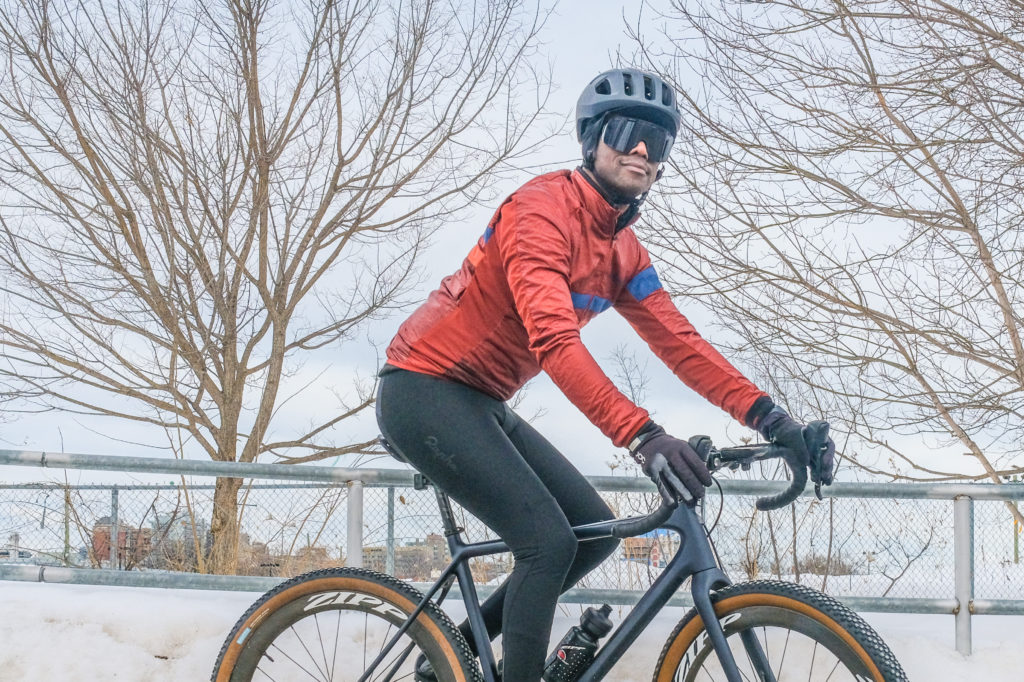
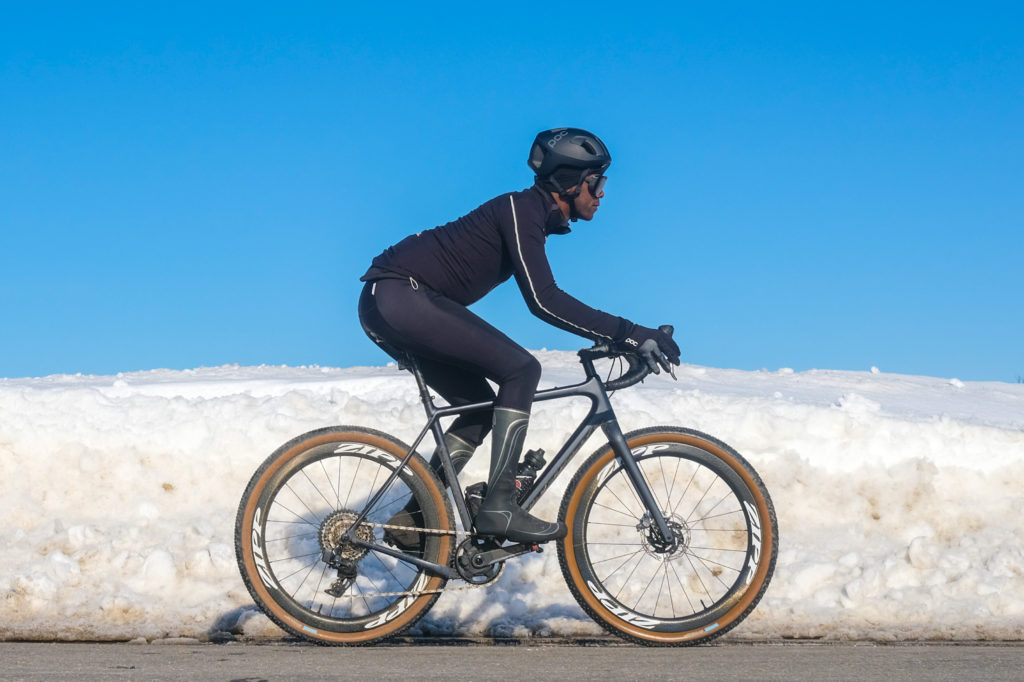
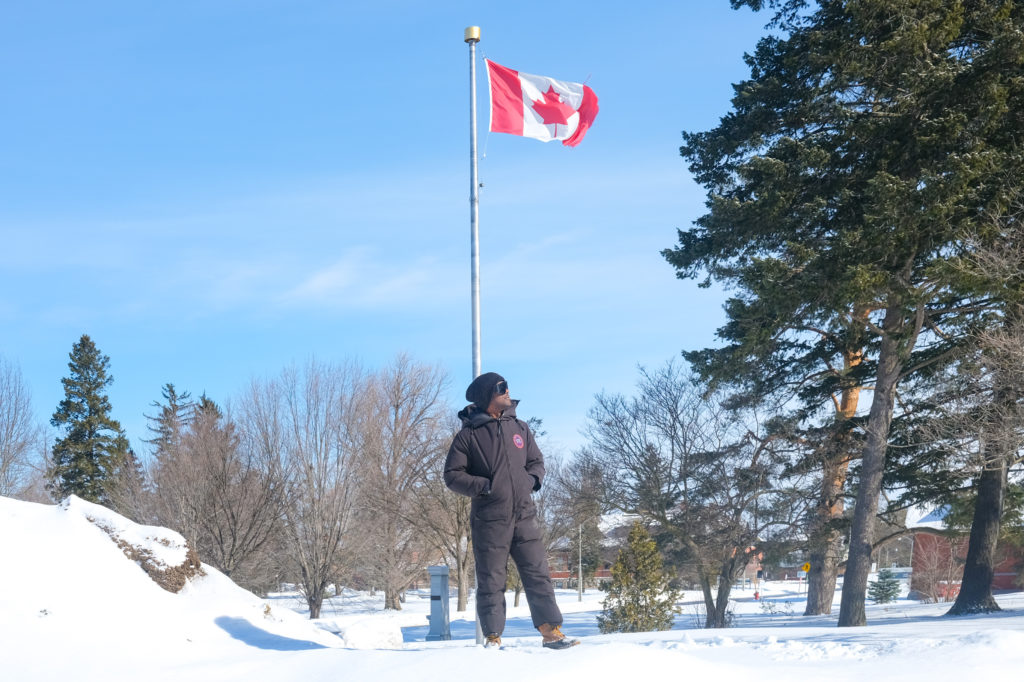
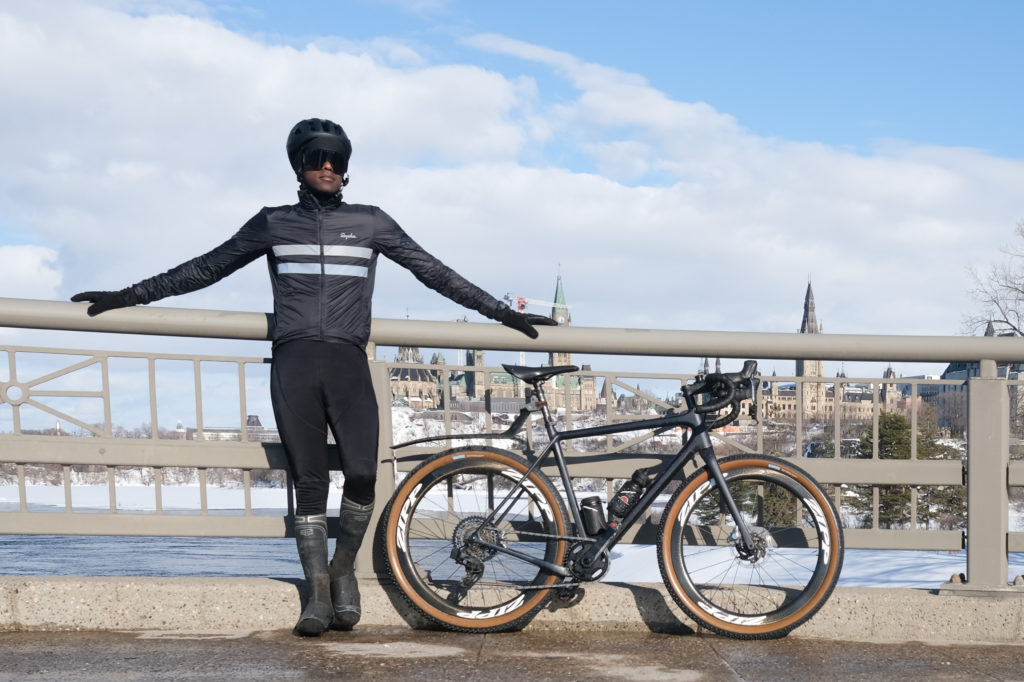
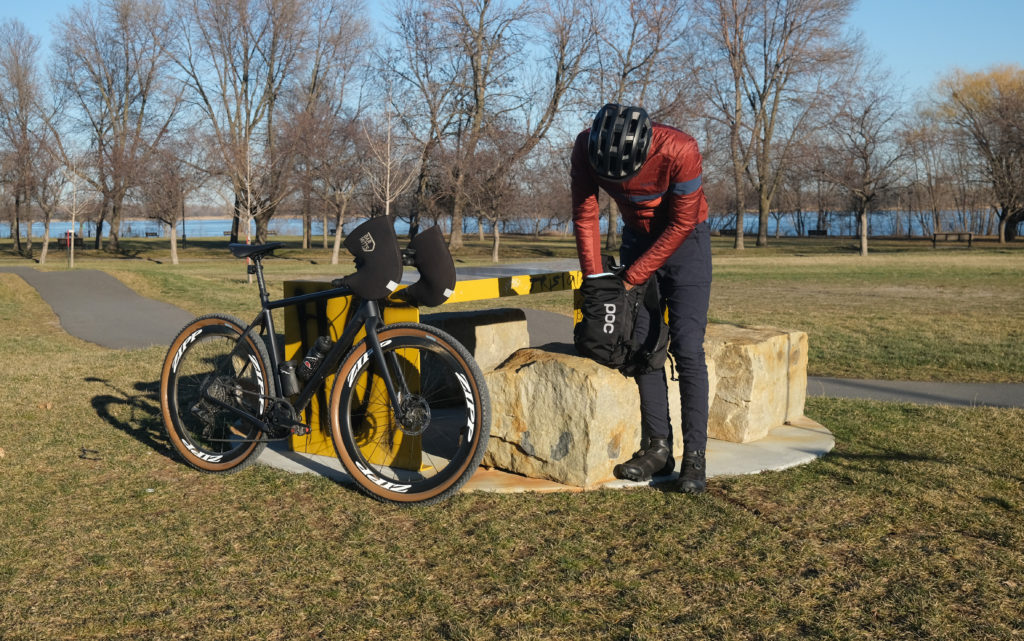
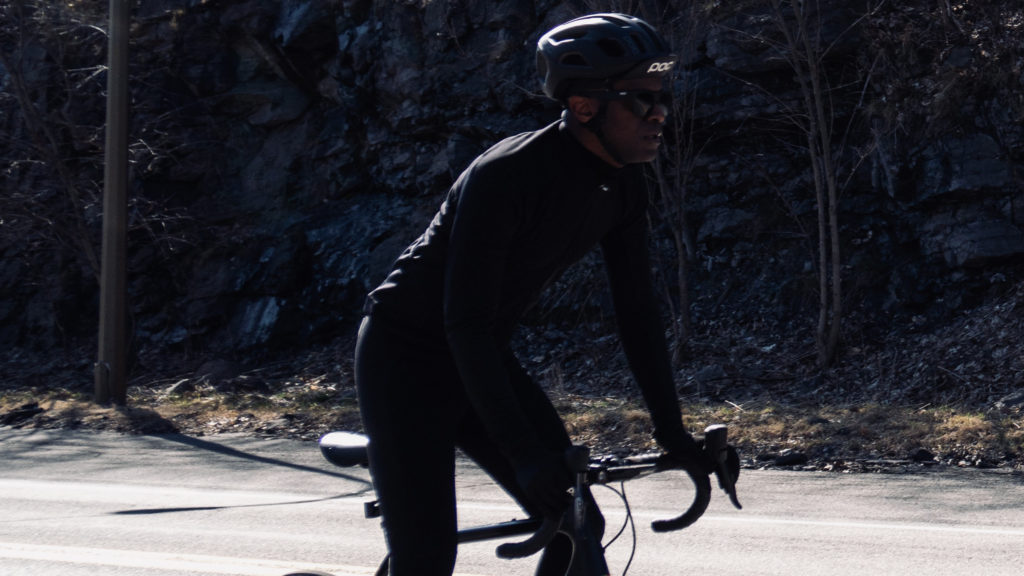
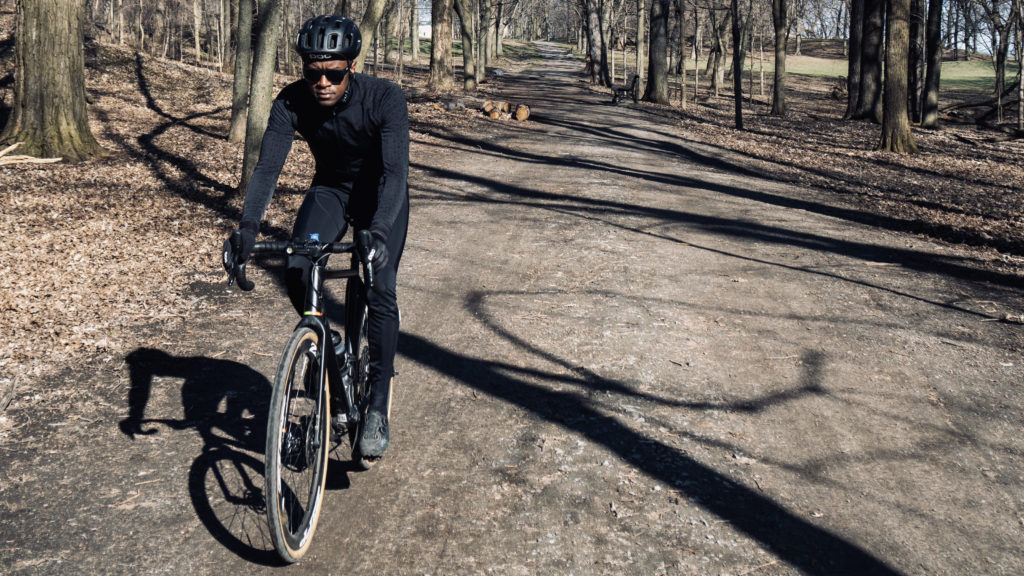
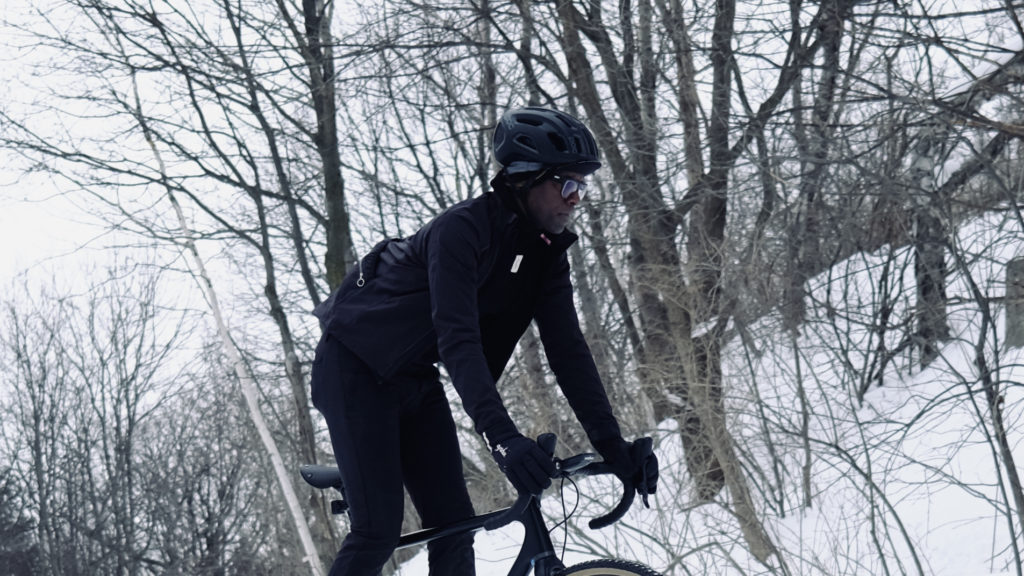
Winter can be a tough time for cyclists, as salt on the roads can corrode bike components if not cleaned regularly. However, there’s an enjoyable way to keep cycling during the colder months without worrying about the damage caused by salt: riding on snow-covered trails.
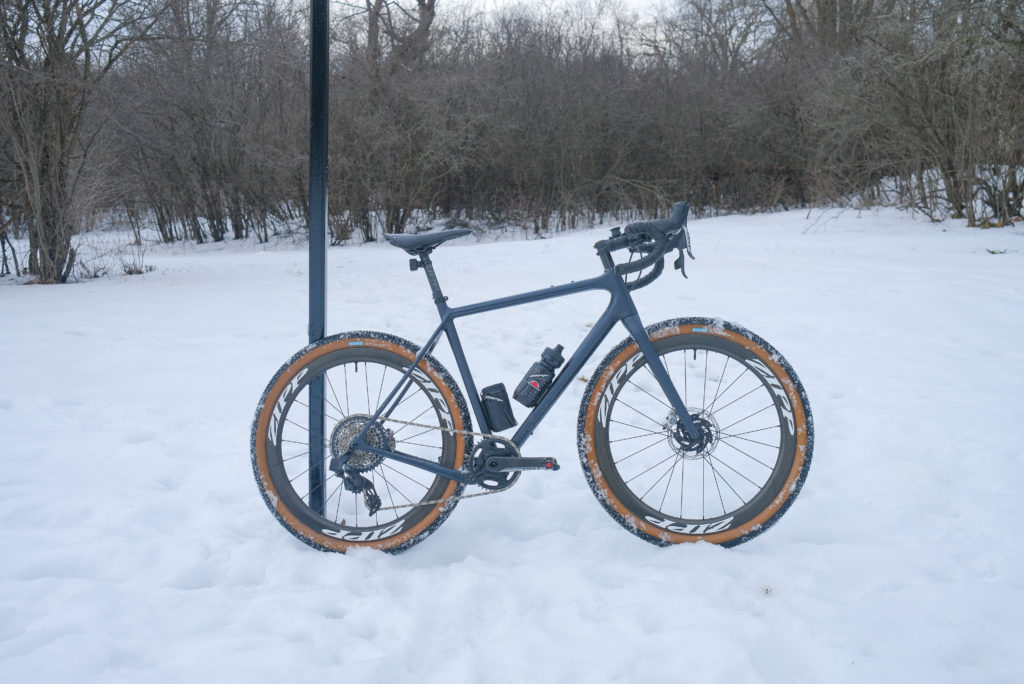
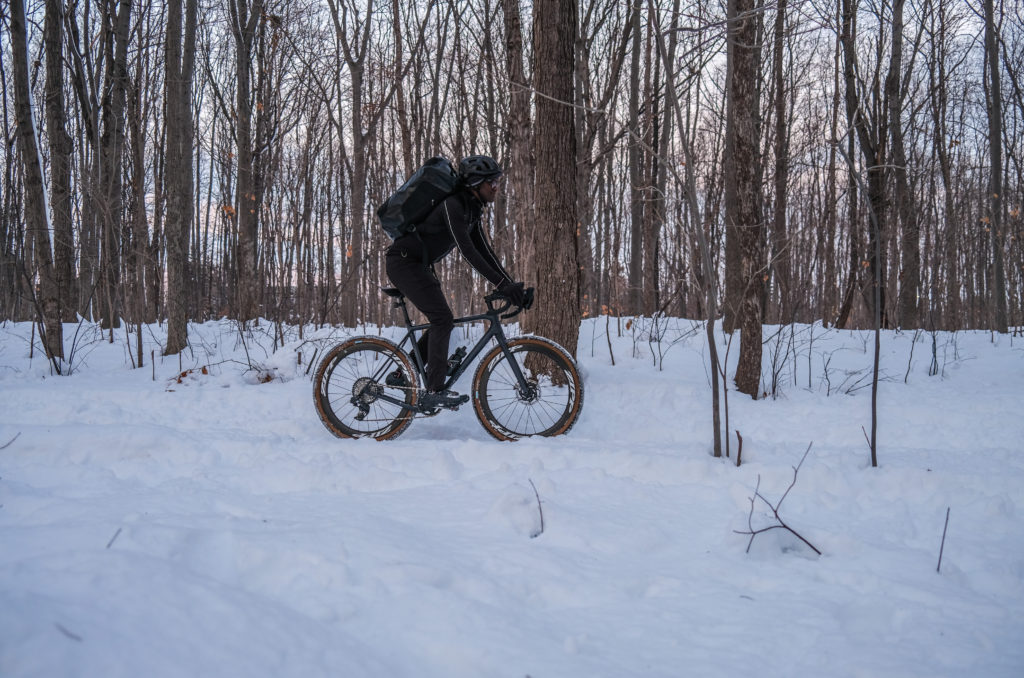
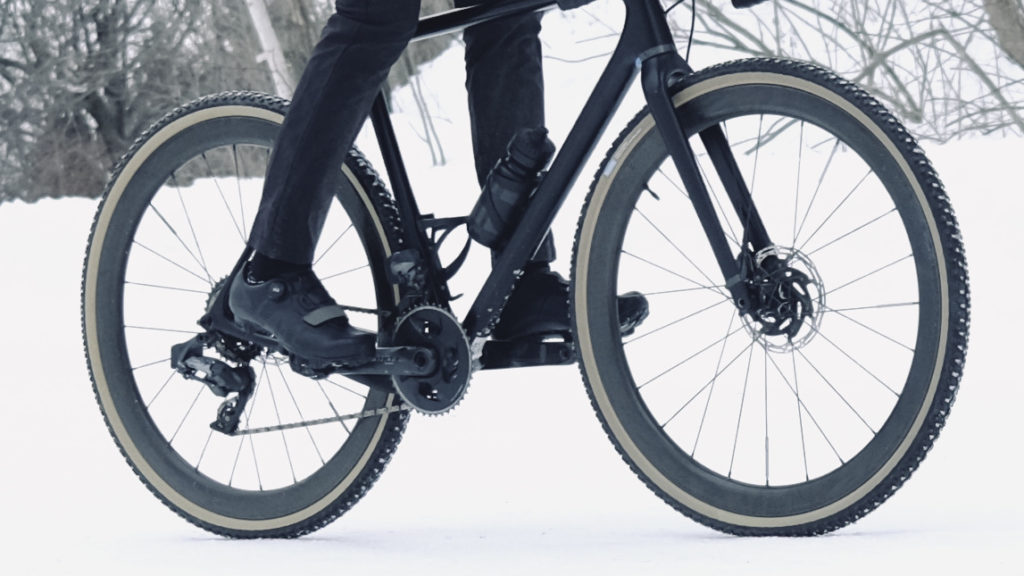
Riding on trails covered with fresh snow can be challenging at times, as the snow is often soft and deep. While a fat bike might handle these conditions better, there’s still a lot of fun to be had trying to navigate through the snow on a bike like the OPEN WI.DE, with its large 650Bx55 René Herse knobbies. The goal is to make it through the snow without putting your foot down or, worse, wiping out. It’s a satisfying achievement that adds excitement to the ride.
One thing to keep in mind is that winter rides on snowy trails can be shorter than your average outings during the warmer months. This isn’t because of the cold, but because riding on snow is more physically demanding, making a three-hour ride feel like an all-day event. Nevertheless, the challenge of riding on snow adds an extra layer of accomplishment to your cycling experience.
When you get home after your winter ride, you won’t need to worry about giving your bike an extensive wash to prevent rust. Simply bring the bike inside to dry, and you’re good to go. This ease of maintenance is just another reason why riding on snow-covered trails is an appealing option during winter.
In summary, winter cycling on snowy trails offers a unique and enjoyable experience for cyclists who want to keep riding during the colder months. It combines the beauty of nature with the excitement of overcoming challenging terrain, making it a great way to enjoy cycling in winter.
Eye protection is a crucial aspect of winter riding, as cyclists face freezing air, glare from snow, and debris on the roads. While many riders opt for snowboard or ski helmets with goggles to shield their eyes from the elements, these can be heavy, uncomfortable, and prone to condensation issues.
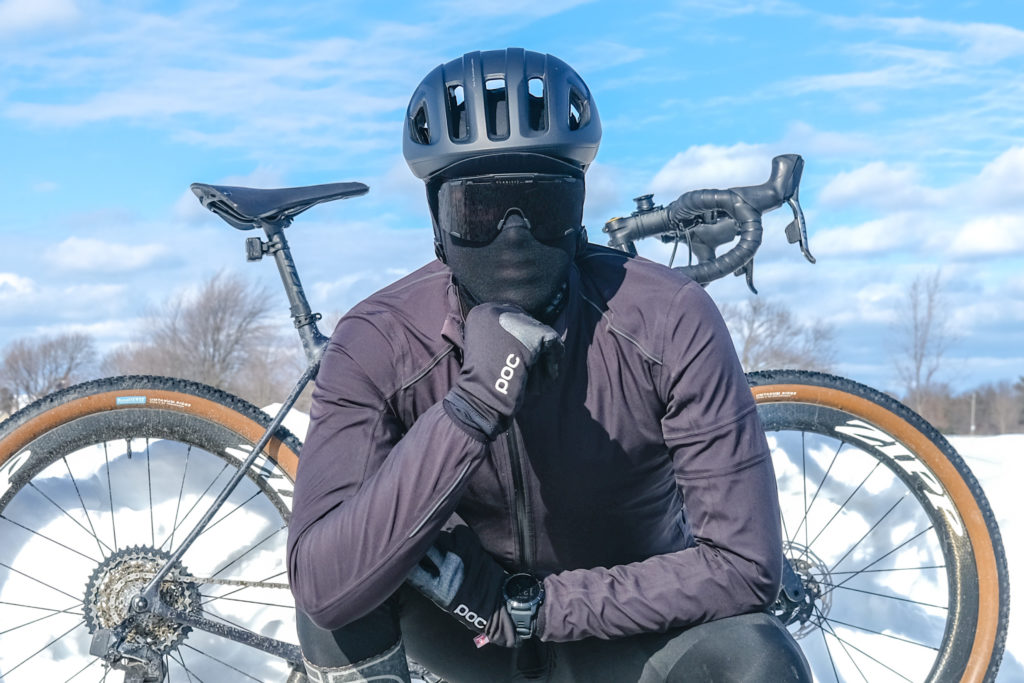
Cycling sunglasses have become a popular alternative for winter riding, offering comfort and style without compromising on protection. POC, a renowned brand in the cycling world, has introduced the Devour sunglasses, a large and stylish model designed to cover a significant portion of the face.
Initially, I was hesitant about the POC Devour sunglasses, preferring my Aspire, Crave, and Want models. However, after experiencing the Ottawa winds and debris firsthand, I decided to give the Devour Glacial glasses a try as an alternative to my usual ski helmet and goggle combo. The Glacial have more weather protection vs the standard Devours.
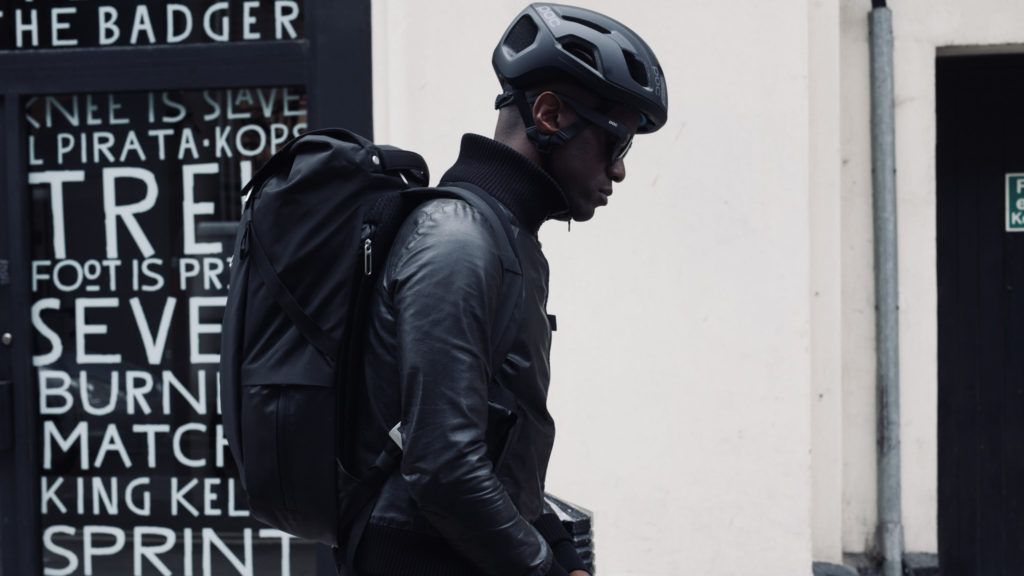
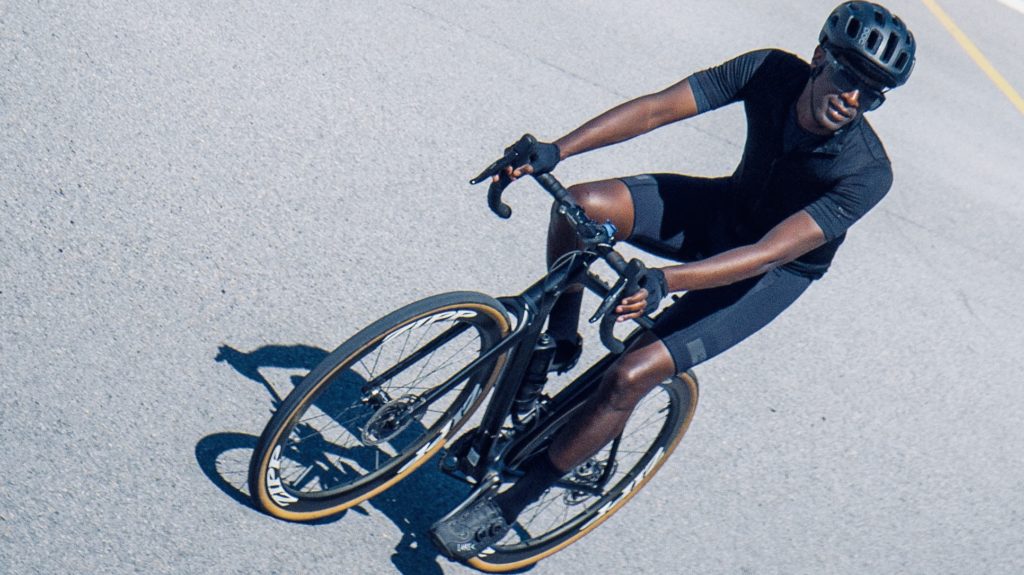
The result was impressive. The POC Devour sunglasses allowed me to wear a regular helmet, avoiding the weight and discomfort associated with ski helmets and goggles. Not only did I feel comfortable, but the sunglasses also added a stylish touch to my winter riding gear.
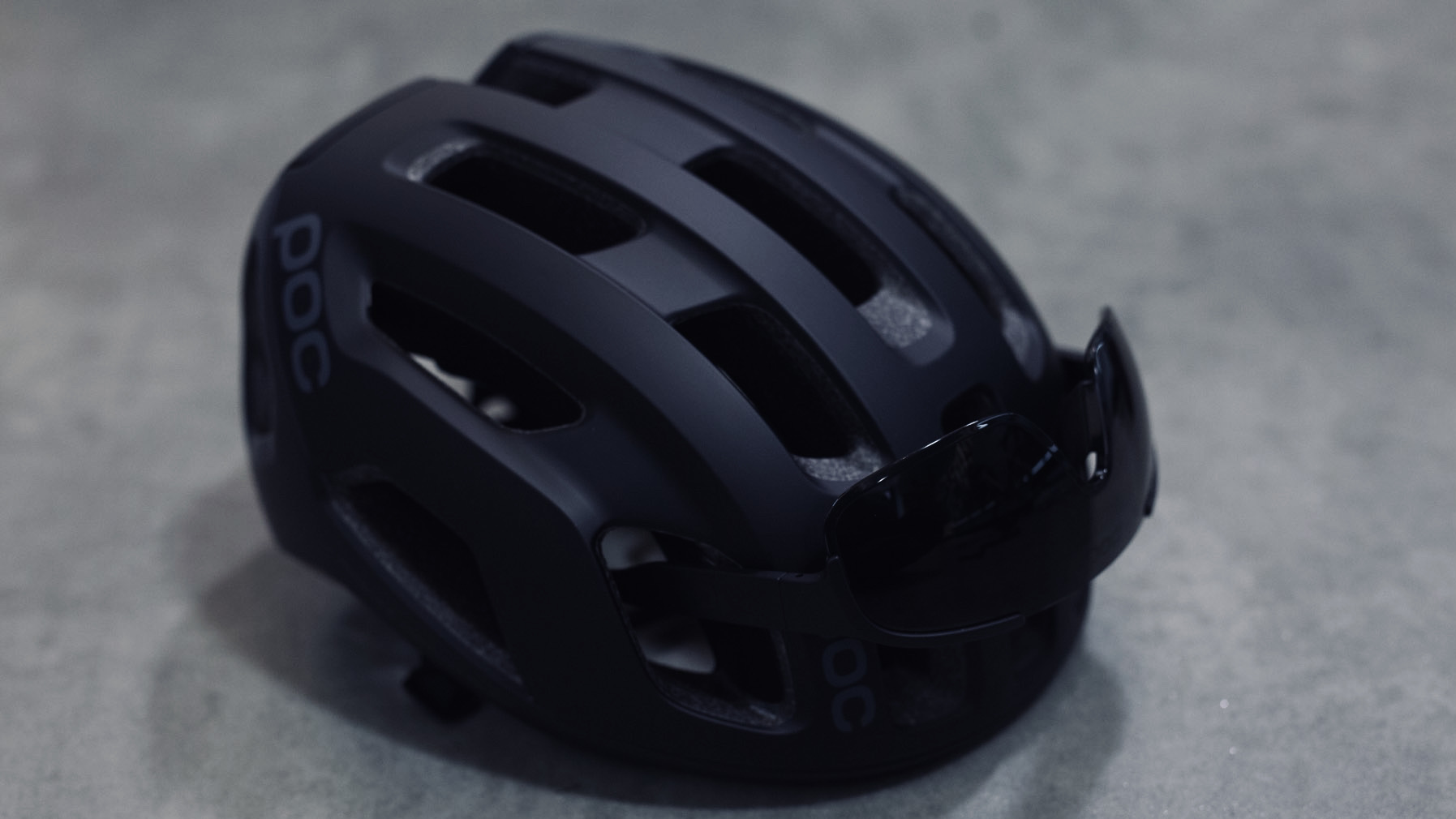
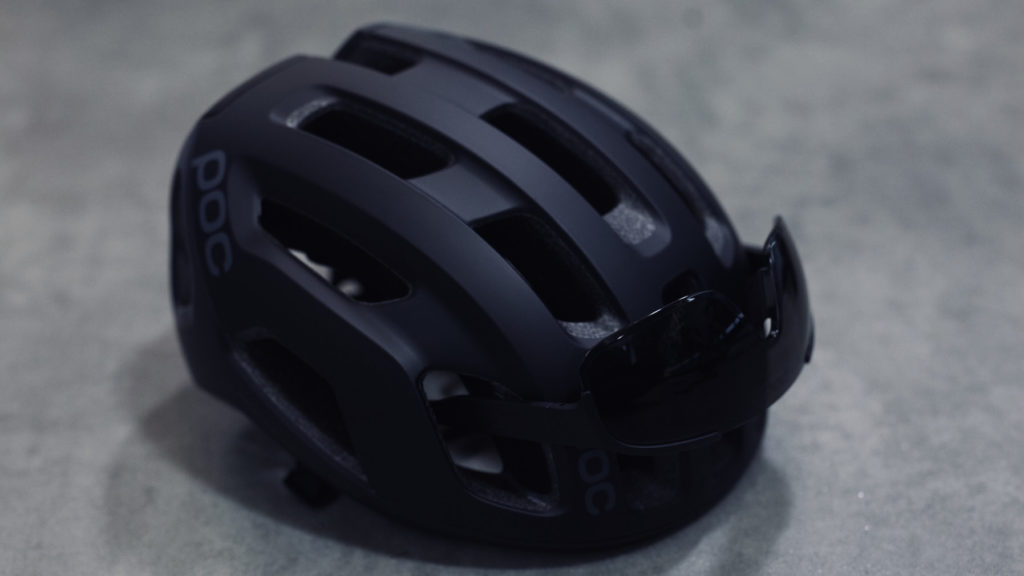
In addition to the POC Devour sunglasses, I also received the Ventral road cycling helmet with MIPS technology. This helmet has fewer vents than the Ventral Air Lite, making it more suitable for winter riding. POC also offers a winter cycling helmet with blocked front vents for optimal protection. However, it was not available in black, which is my preferred colour.
Disclosure: since 2019 POC has been product-supporting my bike rides and tours to explore and experience the planet while raising funds for World Bicycle Relief.
POC Devour Glacial sunglasses are another fantastic option for winter riding (or living!). These glasses provide enhanced wind protection compared to the standard Devour model, which is better suited for summer riding. I plan to get a pair of the summer Devour sunglasses for an upcoming trip to Kenya with Savanna Cycling where I will participate in the Migration Gravel Race. (Update: the cycling safari vacation happened in June 2023 and the Devours were fantastic!)
In conclusion, investing in high-quality cycling sunglasses, such as the POC Devour sunglasses, can significantly improve your winter riding experience. They offer excellent eye protection, comfort, and style, making them an ideal choice for cyclists braving the cold season.
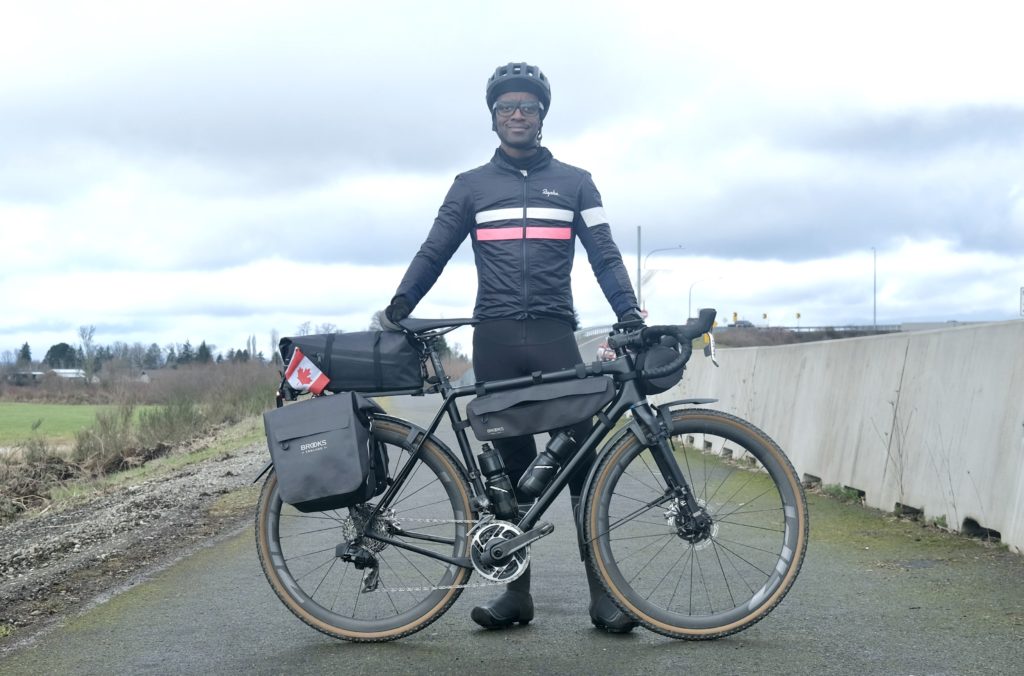
A common misconception about winter cycling is that tight-fitting clothing is not capable of keeping riders warm. However, by employing the right layering system, cyclists can comfortably brave freezing temperatures as low as -40C/F. Surprisingly, wearing thicker, looser clothing can actually make riders feel colder. With winter cycling in mind, let’s explore the importance of proper layering and selecting the perfect winter jacket for your cold-weather rides.
In the world of cycling attire, there are no absolutes. The key to dressing appropriately for winter cycling lies in understanding the concept of “it depends.” For example, the choice of winter jacket can significantly impact your comfort and performance during a ride.
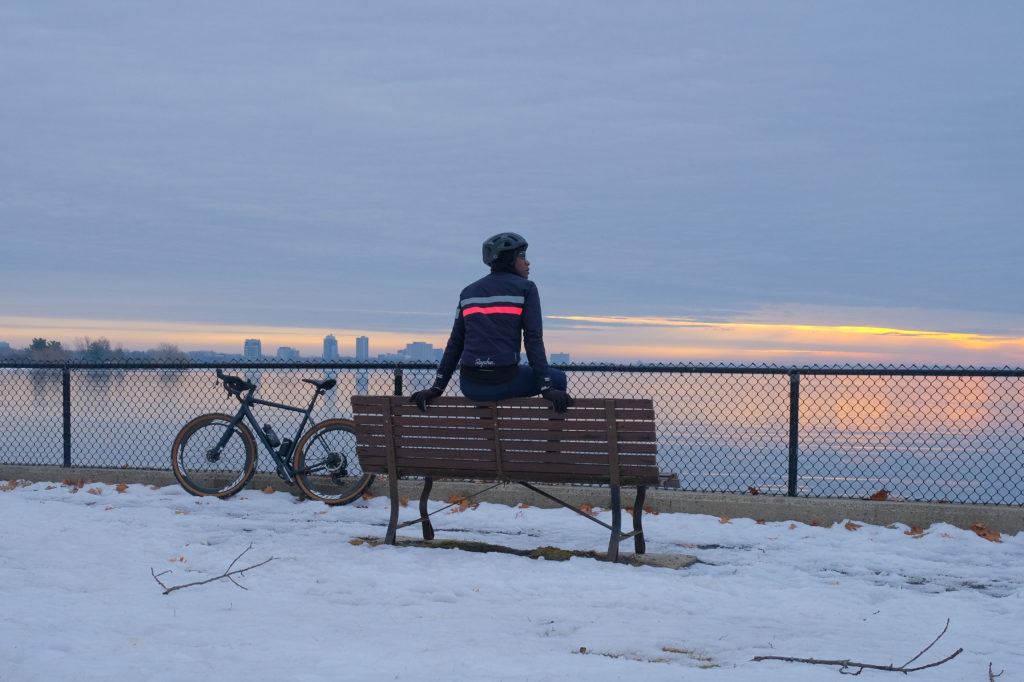
Consider the popular Rapha Brevet insulated jacket. While it’s an excellent winter jacket for cycling, it comes with specific considerations. Firstly, the fit of the jacket can greatly influence its effectiveness. A larger size may be too loose for riding at speed, whereas a snug, aerodynamic fit or a comfortable size for long-distance rides can make all the difference. It’s essential to choose a winter jacket that suits your specific needs for optimal winter cycling performance.
Secondly, the warmth provided by the winter jacket can be both a blessing and a curse. During milder winter conditions, wearing a base layer and a windproof jersey under the jacket might cause overheating. Overheating during winter cycling can lead to excessive sweating, which in turn makes the jacket damp and less effective, ultimately affecting your performance. Striking the right balance between staying warm and avoiding overheating is crucial.
A recent personal experience highlights the importance of choosing the right winter jacket and layering system for winter cycling. During a ride, I had to pause and sign some paperwork, which caused me to cool down. To regain my optimal temperature, I put on my insulated jacket before resuming the ride but removed it before overheating. Adaptability is key when dressing for a ride, regardless of the season.
Selecting the appropriate winter cycling wardrobe requires careful consideration, as your choices will impact your riding experience. By understanding the intricacies of layering and the importance of choosing the right winter jacket for specific conditions, you can enjoy comfortable and invigorating winter cycling adventures.
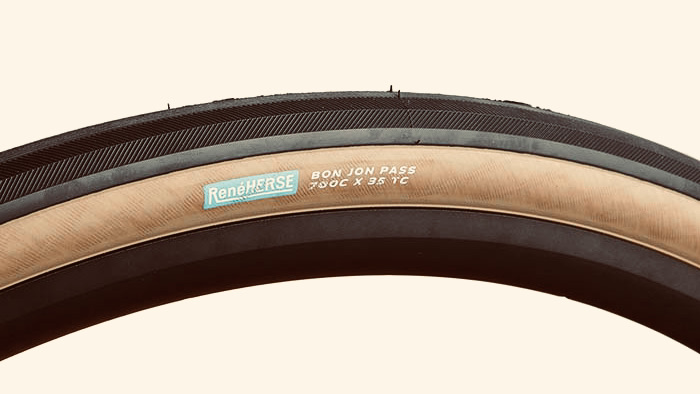
Rene Herse Bon Jon Pass 700C x 35mm were the ones that made me experience what people mean when they say that bicycle tires are the best way to make a road bike comfortable and faster to a certain extent.
If you are new here, I should mention that my style of road biking is distance (or endurance) and bike touring meaning that my rides tend to be long and take me to places with different kinds of road surfaces.
The second thing you should know is that although I have travelled extensively by bicycle, my maintenance and repair skills are poor and I know that I limit myself by not even being able to change a flat tyre properly.
With that in mind, let get back to the Rene Herse Bon Jon Pass 35mm tire story.
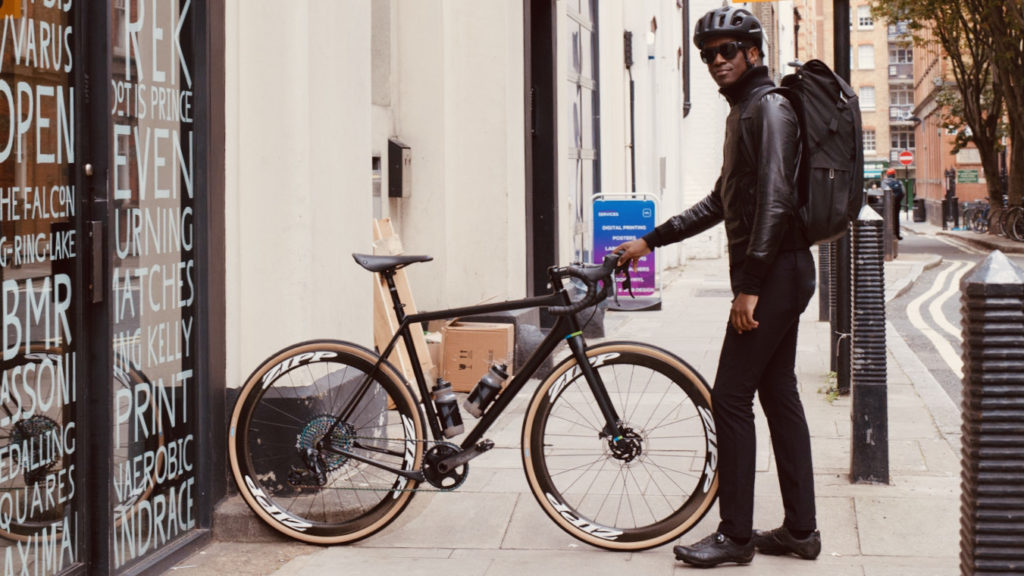
I first got the Rene Herse Bon Jon Pass tires on my OPEN U.P.P.E.R road/gravel bike when I was in the UK and was on my world tour to raise funds for World Bicycle Relief and wanted to get a bicycle with gears because it more efficient than a circumnavigation with a fixed-gear ride.
I had heard about the company René HERSE and how instrumental they were in turning two unpopular concepts into what’s now considered common sense in the cycling industry: wide tires on road bikes (as opposed to skinny ones) and tyres with supple casings (as opposed to the standard rigid ones).
The Rene Herse Bon Jon Pass 700 x 35 bicycle tires were recommended to me because they were wide enough to keep me comfortable on bad roads but also ride on unpaved roads that were not too sandy, muddy or rocky.
The Rene Herse Bon Jon Pass were also said to be faster than thinner road bike tires because their width gave them a lower rolling resistance which did not make sense but tests from various publications, cycling brands had proven that it was factual.
The third reason the Rene Herse Bon Jon Pass 35mm tyres were selected for my OPEN bike was that tubeless wider tires tend to resist punctures more than skinny clinchers.
All that was theory but the Rene Herse Bon Jon Pass tire recommendation came from influential figures in the cycling community so I went with it.
Twelve hours after getting the Rene Herse Bon Jon Pass 700 x 35 tires on the equally brand new OPEN U.P.P.E.R road/gravel bike, I cycled from Bristol to London in the United Kingdom, a brutal ride in rain, cold, heat and in some pitch darkness given that daylight is scarce in Autumn in that part of the world.
Everything that had said about them had turned out to be more than true.
The ride started in pitch darkness and that annoying thin rain that I only find in the UK or in British Columbia, the Canadian province. Even with our headlights and my two cycling companions and I calling out for road hazards, I rode into some potholes and the Rene Herse Bon Jon Pass 35mm tyres would absorb them without a fuss and so I became less worried about fixing my eyes on asphalt but looking ahead.
That annoying drizzle also has a way of making roads slippery. The Rene Herse Bon Jon Pass tires were glued on those country roads without any issue although in instances where tractors had left muddy tracks, they would slip a little which is expected from slick tires.
Roads in the United Kingdom are not as bad as the ones in the province of Québec where I live but they are not exactly Switzerland material. I found out that I had gotten a flat but never noticed because the sealant in the Rene Herse Bon Jon Pass tire tubeless setup did its job wonderfully and I kept riding on unbothered.
The Rene Herse Bon Jon Pass tyres were definitely faster than the traditional Continental Gatorskins or Hardshells that I was used to. I know that the said tires are not the fastest in the Continental range but I rode 28 mm and 32 mm and so the 35 mm width of the Rene Herse Bon Jon Pass was not an issue.
The Rene Herse Bon Jon Pass 700 x 35 road and light gravel tires come in light, standard and endurance casings.
The light are faster and lighter but on very bad roads they will be prone to punctures. The endurance are as puncture resistant as possible and yet they still remain supple and faster. I rode the Rene Herse Bon Jon Pass 35 mm tires in Standard casing which combines are fast, supple and offer quite a good puncture protection.
Thanks to the Rene Herse Bon Jon Pass tires, I rode across the UK and on mainland Europe in the Netherlands, Belgium, France and survived the Swiss mountain passes at speed, without a single flat or never worrying about the road surface. I would even take shortcuts into unpaved forest roads to save myself five kilometres here and there.
Who are the Rene Herse Bon Jon Pass tyres for?
Anyone with a road bike who is mostly on paved surfaces good or terrible and who likes to venture off-road on pathways that are hardpacked. In mud, snow and sand, they will struggle but if you have good balance and bike handling skills, you too might get away with it as I did when the GPS misled me in the UK farmlands and I was battling mud for an hour!
If you ride on excellent roads or can repair a flat the Rene Herse Bon Jon Pass in light casing should be your pick. If your roads are terrible or will be venturing in the middle of nowhere get the endurance. If you want the best of the light and endurance whilst interested in saving some money, the standard casings are for you.
The Rene Herse Bon Jon Pass 700C x 35mm tires will be good for your back and bum for two reasons: 1) You will experience less discomfort on your road bike 2) You will spend less time in the saddle hence less discomfort because you will get to your destination faster!
Before I start my POC Ventral Air SPIN road bike helmet review, let me first disclose that I do not totally understand the science and technology that goes into protecting human heads from bicycle accidents except perhaps for the famed MIPS system.
With that in mind, my POC Ventral Air SPIN bicycle helmet rating will be based on my personal experience with it based on how it feels when I am out there from casual rides or to bike touring journeys across Canada or around the world.
In Autumn 2019 when I was on my European leg of my world tour by bicycle to raise funds for World Bicycle Relief, the POC Ventral Air SPIN road bike helmet was provided to me by the company as a way to support my adventures and they also included lifestyle and cycling sunglasses in the care package and later on, they even contributed apparel to keep help me survive the Winter months that were looming.
The POC Ventral Air SPIN road bike helmet started protecting my head with a 200 km ride from Bristol to London in the United Kingdom and the last two hours into the already miserable epic due to the weather, I had a nasty headache. I do not ever remember being in such agony.
I hopped into a pharmacy and asked for headache tablets and swallowed them on the spot and the pain would not go away. I got to the end of the ride and took the POC Ventral Air SPIN cycling helmet off and right there, the pain stopped immediately!
What was the deal then? Well it turns out that I had squeezed the POC Ventral Air SPIN road bike helmet a little bit too tight and it was squeezing my head thus the excruciating migraines.
The reason why is actually in the POC Ventral Air SPIN road cycling helmet name…
It is so light that I was scared that it would fly away on descents that I tightened it just to be cautious but I went way overboard so it was a user mistake.
This whole POC Ventral Air SPIN anecdote is to illustrate how it’s one of the lightest bicycle helmets that I have ever worn and to this day, one and a half year later, I sometimes leave the house without it because I cannot feel it!
The second reason why the POC Ventral Air SPIN road bike helmet is so great is that even in the hottest of the hottest suns, my head never overheats because it is so well ventilated.
As a matter of fact, the POC Ventral Air SPIN is an oddity in road cycling helmets because it feels like the designers were on a mission to include as many vents as possible. But there is method in that madness because even with cycling hats, the cooling effect is effective.
The other benefit of such large vents is that when I quickly need to get off my cycling sunglasses and replace them with my reading glasses, I can quickly tuck them in the huge POC Ventral Air SPIN vents without fumbling around as I would with other bicycle helmets sometimes forcing me to stop and do it on a stationary mode which costs me precious seconds especially when I am racing against nightfall.
Who is the POC Ventral Air SPIN road bike for? People who want ultimate protection. They do not use the famous MIPS technology that other bicycle helmets use but instead they feature the company’s proprietary patent-pending SPIN (Shearing Pad Inside) pads. Your guess is as good as mine as what it means but I can speak from wearing it for 18 months that it is comfortable, breathable and I really do not want to find out how well it works because that would mean me falling off my bike and bumping my head.
So far, I have ridden across Europe wearing the POC Ventral Air SPIN road bike helmet. From the UK to Switzerland via the Netherlands, Belgium, France and Germany in the hottest sun and the nastiest rain.
And when the COVID-19 put a hiatus on my world tour by bicycle and I was forced to return to Canada at the urgent request of the diplomatic authorities, I would eventually ride across Canada again from Victoria to Rivière-du-Loup with the POC Ventral Air SPIN cycling helmet on protective duties.
When it comes to Winter cycling the POC Ventral Air SPIN road bike helmet is actually a great candidate even at -10C! Those large vents prevent the head from overheating because as we know sweat freezes and then makes the rider cold which is why I am not that fond of wearing ski helmets when it’s beyond freezing but I have no choice.
The secret is to wearing POC Ventral Air SPIN and stay comfortable is to wear an equally breathable merino wool cycling cap and when the head overheats the air escapes into the frozen air and there is no sweat even when climbing tough icy mountain passes.
Am I a fan of the POC Ventral Air SPIN road bike helmet or what? Yup! It’s not the cheapest of bicycle helmets but as someone who rides bicycles seriously and needs the best tools available, it will be an easy decision to purchase another when my current one expires (bicycle helmets have a shelf life, you know that, right?) or protects my head, something I am praying never happens.
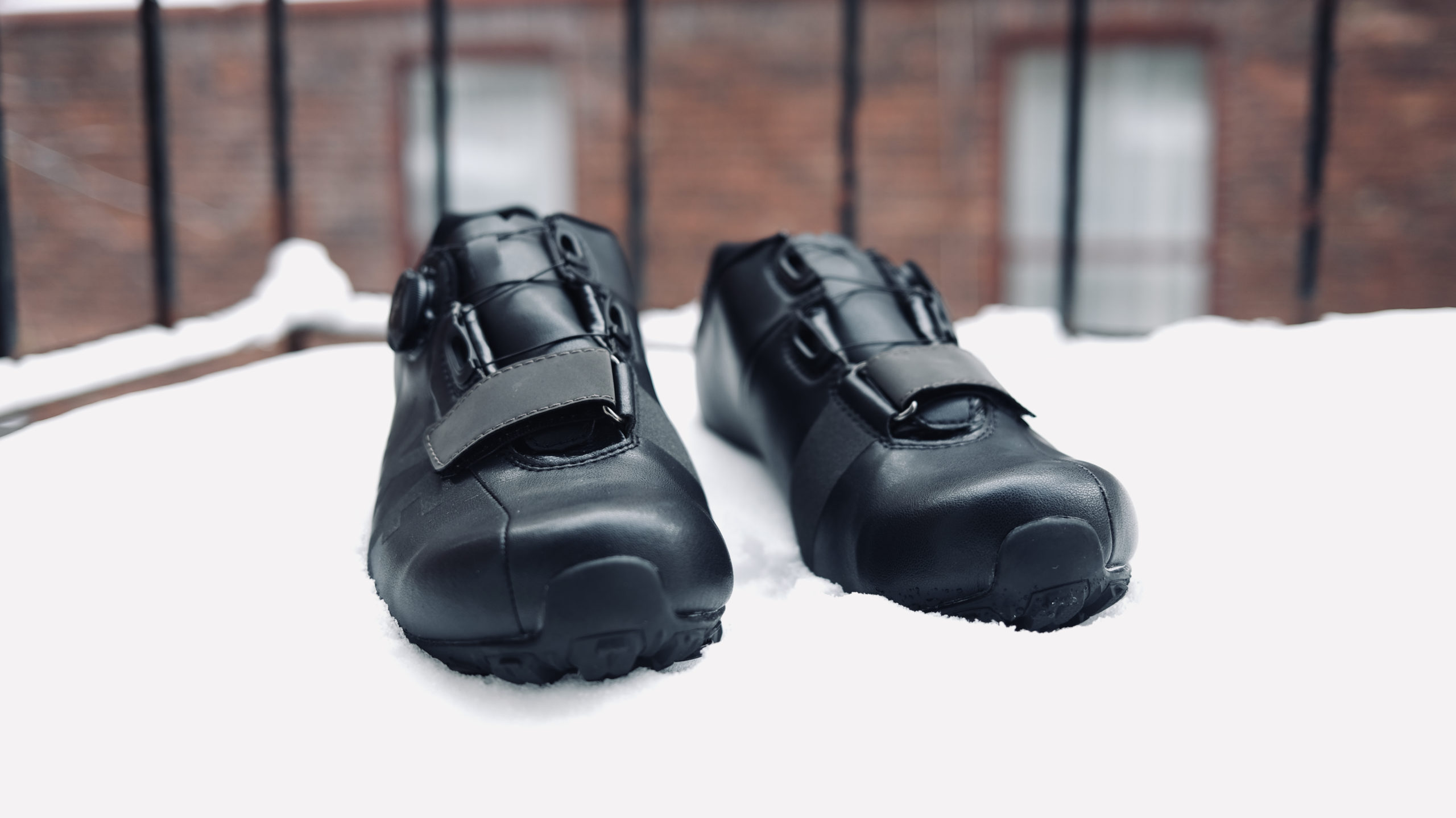
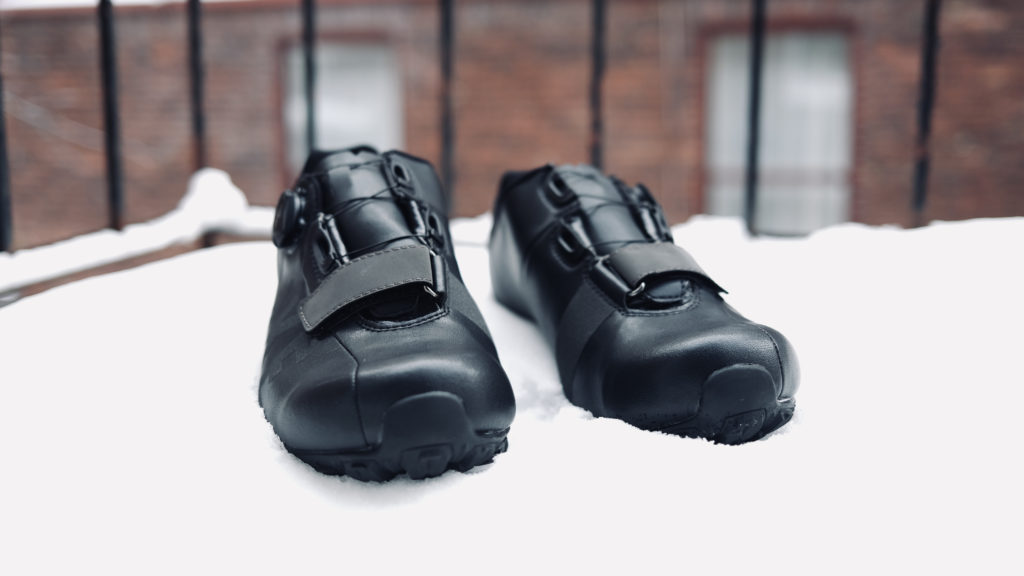
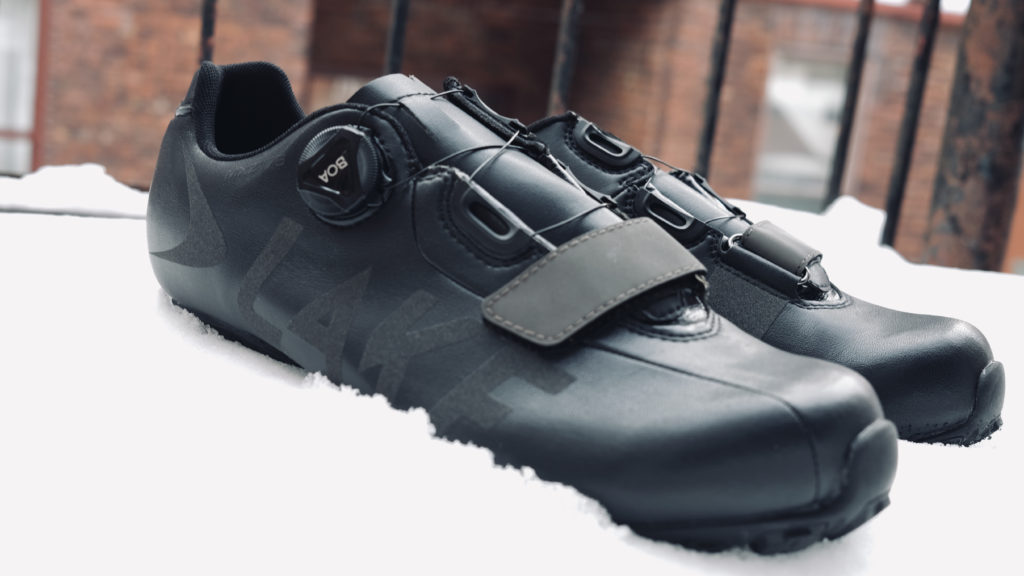
Lake MXZ 176 Winter cycling shoes are the footwear that most cyclists who ride in wet, cold conditions should seriously consider especially if they are not too fond of overshoes or cycling boots.
(The road pedals version is the Lake CXZ 176 biking shoes. The MXZ176 is for MTB/gravel riders)
I first got wind of the Lake MXZ 176 Winter cycling shoes on the company’s social media account and it caught my attention because I found the Lake MX 145/ CX145 biking boots to be too warm at temperatures between 10C and -5C and stylistically speaking (because I am vain!), they look a little bit off when worn with cold-weather tights although they look fine when wearing trousers.
The alternative to staying warm but not too hot was to wear the MX/CX 332 which are Summer cycling shoes and either wear two layers of thin socks or put overshoes on. Hot weather biking footwear is a nuisance when in cold and wet temperatures because rain and snow easily get to the feet through the vents and pedal pushers start freezing in less than an hour.
Lake MXZ 176 Winter cycling shoes perfectly fill the gap between Summer shoes and Winter boots.
First off, they are completely sealed so there are no vents at the top or bottom, meaning that no rain or snow will sneak through unless you purposefully or accidentally put your foot into a big puddle of water. (If it’s raining, the Lake MXZ 176/CXZ 176 will absorb water but where you put your foot in (the mouth?) but that’s the least of your worries because your entire body will be under siege.)
Secondly, the Lake MXZ 176 Winter cycling shoes feature an insulated insole which prevents the cold air from sneaking in and retain the foot’s heat while wicking away moisture because the last thing you want is to be sweating (sealed vents make the shoes less breathable) because it will freeze and make you miserable fast.
So far, I can get away with riding the Lake MXZ 176/CXZ 176 at -10C for three hours with only minor discomfort. But below 0C, I have to be wearing a pair of thick merino wool socks so when purchasing them and any Winter shoe or boot, do keep in mind to size up by two units.
For instance, my Lake Cycling Summer shoes are Size 41 but the Winter biking footwear are Size 43. And don’t forget to get the Wide versions to account for the thicker socks that will increase your feet’s width marginally but in a noticeable way.
My wish list is if the Lake MXZ176 Winter cycling shoes came with some sort of attached waterproof sock to prevent rainfall from getting through. But then it would start looking like a… MX 145/ CX145 Winter boot (thus defeating the purpose, I guess).
If you start feeling the cold whilst wearing the Lake MXZ 176/CXZ 176 biking footwear, you can still wear insulated overshoes and when it’s raining a waterproof pair will do the job wonderfully as they do with Summer cycling shoes.
It goes without saying that the Lake MXZ176 have become my de facto Winter cycling shoes as I can wear them from 10C until -15C (with thick merino wool socks and overshoes, a setup that’s still lighter and less cumbersome than boots).
The MXZ 176 are also perfect for Spring/Autumn wet, wind and cold rides but the only problem is that if you upsized and it’s not chilly enough to warrant two pairs of socks or thick ones, the shoe will be too loose. My solution is to simply get a second pair at my standard shoe size which is something I can afford to given the fact that Lake Cycling is my official cycling shoe supplier (2016-Now: 2021 when this is written) so this is not a given for everyone to be totally transparent.
If you like how things look, I am sure that you will like how slick the Lake MXZ 176/CXZ 176 Winter cycling shoes are. The designers added some reflective elements to give the shoes some nice contrast while making cyclists visible in low light.
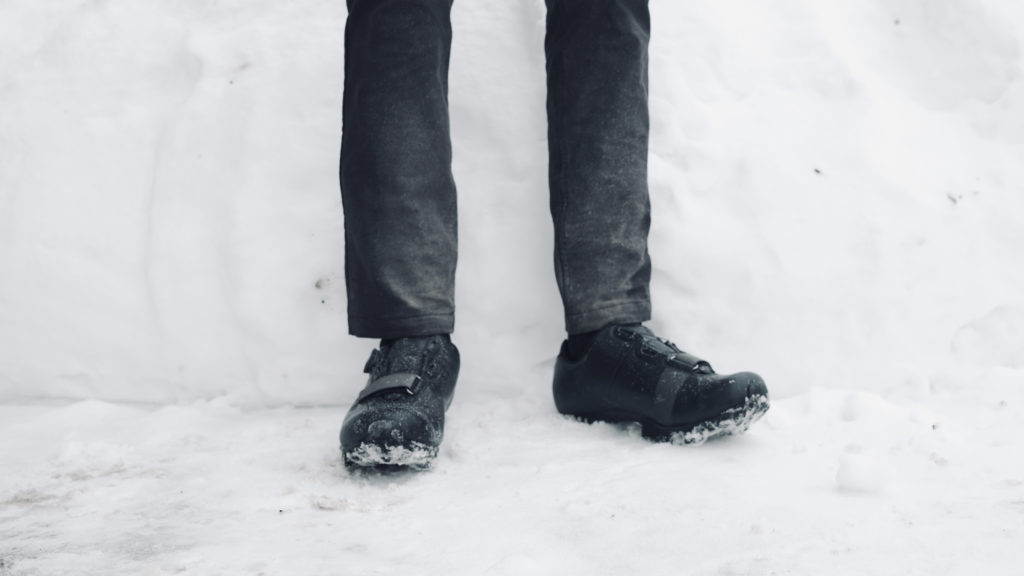
The Lake MXZ176 feature a water-resistant coat that was applied at the factor and as time goes by I will be reapplying it to keep the water out. I clean them after EACH ride because Montréal’s salt that they put on roads in Winter completely destroys any shoe that is not plastic and the spray from tires is enough to create trouble.
Since I have gotten the Lake MXZ 176/CXZ 176, I have not ridden the Summer shoes with covers or the boots and I have been more than happy.
Now, the only time I would wear the MX 145/ CX145 boots is below -10C or when I am riding away from paved roads where there is deep mud and snow and I will have to put my foot down often and don’t want that nonsense messing with my toes. Or… if I need to do a lot of off-bike walking as they are more comfortable.
The Lake MXZ 176/CXZ 176 Winter cycling shoes are my choice when it comes to being out and free on a bicycle in temperatures that are not the tamest.